Oct 19, 8:01 PM
Zurich's Flagship Housing Cooperative Stumbles Over Unfinished Stairs
Idealism meets construction logistics as three hundred prospective tenants at Koch-Areal are left stranded on two weeks' notice.
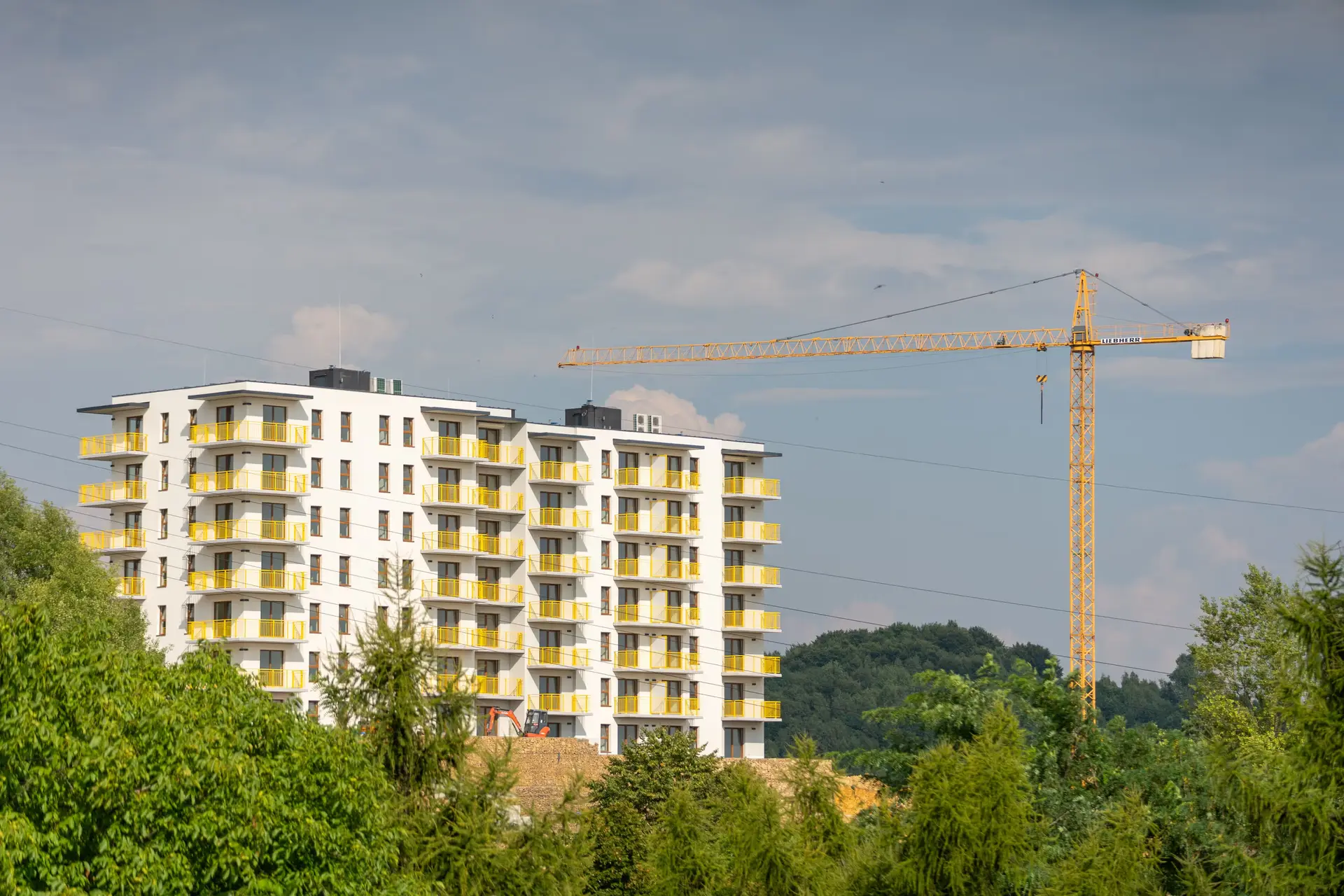
Zurich’s grand dream of socialised urban living has run into a remarkably conventional obstacle: unfinished staircases. Around three hundred future residents expecting to move into the celebrated Koch-Areal development at the end of October have been told to keep their packing boxes sealed. With a mere fortnight’s notice, the Kraftwerk 1 housing cooperative informed them that ninety apartments will not be ready, pushing move-in dates back by up to three months.
For roughly three-quarters of the site’s prospective community, this sudden notification creates an immediate logistical crisis. Many have already terminated their previous leases, only to discover their new homes lack completed stairwells necessary to comply with legal occupancy regulations. Kraftwerk 1 cited severe supply chain disruptions that derailed tightly synchronized finishing trades on the construction site.
The disruption is unevenly distributed across the new settlement. Tenants assigned to buildings 50 and 52 face delays of six weeks, while those slated for building 54 must wait up to twelve weeks. Only building 56 currently remains on schedule. In response, the cooperative is scrambling to arrange emergency stopgaps, offering guest rooms in other housing developments, short-term sublets, and furniture storage, while promising to reimburse reasonable extra expenses incurred by affected households.
The location itself carries a long history of ideological friction. Once an industrial site belonging to Koch Wärme AG on the border of Altstetten and Albisrieden, the property was acquired by the city of Zurich and squatted in 2013, evolving into one of Switzerland's best-known autonomous strongholds. For a decade, over a hundred people lived on the grounds, hosting concerts, political events, and cultural projects.
In 2018, local voters enthusiastically approved a public vision to replace the squatted wasteland with non-profit housing, commercial space, and a public park. Following the police clearance of the site in 2023, construction commenced on a district intended to house nine hundred residents by 2026.
While existing lease agreements remain valid and tenants have been granted the right to withdraw from their contracts, the episode exposes the naive faith placed in administrative master plans. Relying on flawless construction timelines in an unpredictable global supply market is a risky gamble, particularly when human livelihoods are involved. Delivering an uninhabitable building without functional staircases proves that even well-funded social visions cannot simply override the pragmatic realities of building sites.
Written by Martina Kirchner martina.kirchner@alpineweekly.com