Oct 19, 8:02 PM
Tactical Illusions in Yemen
A deadly strike on a government training camp exposes the fragility of a fractured state where local recruits pay the price for regional power games.
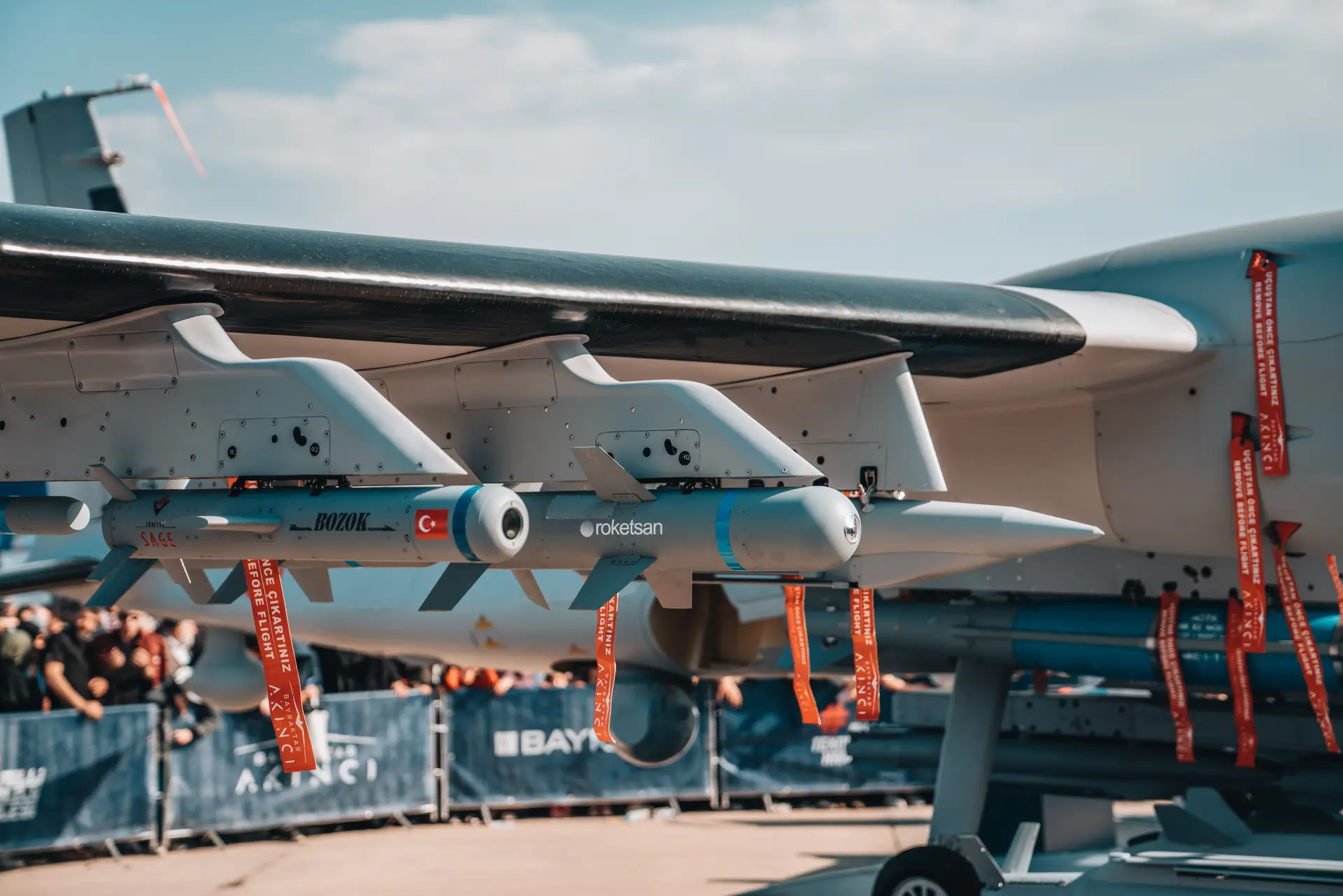
Building a functional state requires police officers, but in Yemen, even the act of training them is treated as an invitation for target practice. When three ballistic missiles tore through the Martyr Ahmed al-Sulaimani Training Centre near Ataq, the blast did more than kill 53 young recruits and injure over 200 others. It exposed the fragile nature of a conflict where regional power struggles routinely crush local efforts at governance.
The target, al-Alam camp in the central province of Shabwa, was filled with men preparing to join internal security forces and local police. Local medical facilities were instantly overwhelmed, forcing authorities to transfer critically wounded survivors to distant regional hospitals in Hadramout and Aden. Rashad al-Alimi, head of Yemen's Presidential Leadership Council, condemned the strike as a criminal act and promised a firm response. Meanwhile, Houthi military spokesman Yahya Sarea claimed the insurgents had targeted Saudi enemy gatherings, alleging the camp was run by foreign officers. Information Minister Moammar al-Eryani countered that the assault was a war crime aimed at fabricating a false victory to cover up insurgent defeats on other battlefields.
This strike in Shabwa does not exist in isolation. It marks the deadliest escalation in recent memory following the unraveling of an informal four-year ceasefire that began disintegrating in July. Since then, fighting has erupted across multiple fronts. A government offensive launched in early October, backed by Saudi air power, successfully reclaimed territory on the Red Sea coast near the strategic Bab al-Mandab Strait. However, intense clashes persist around the besieged city of Taiz, as well as in the northern provinces of Marib and al-Jawf.
The strategic logic behind such attacks remains as calculating as it is destructive. By striking soft security infrastructure far behind active front lines, the militia demonstrates that no government-controlled zone is secure, while simultaneously preventing the sovereign administration from consolidating domestic stability. The casualties keep mounting on all sides, with over 1,200 conflict deaths recorded since early August and relentless cross-border drone strikes hitting targets in Saudi Arabia. Temporary truces and unwritten pauses in combat clearly fail to offer a durable framework when neither party faces a genuine incentive to stand down.
Written by Christiane Hofreiter christiane.hofreiter@alpineweekly.com