Oct 19, 8:01 PM
Low-Tech Espionage Hits High-Tech AI
Court filings detail state-backed surveillance allegations inside OpenAI’s San Francisco headquarters.
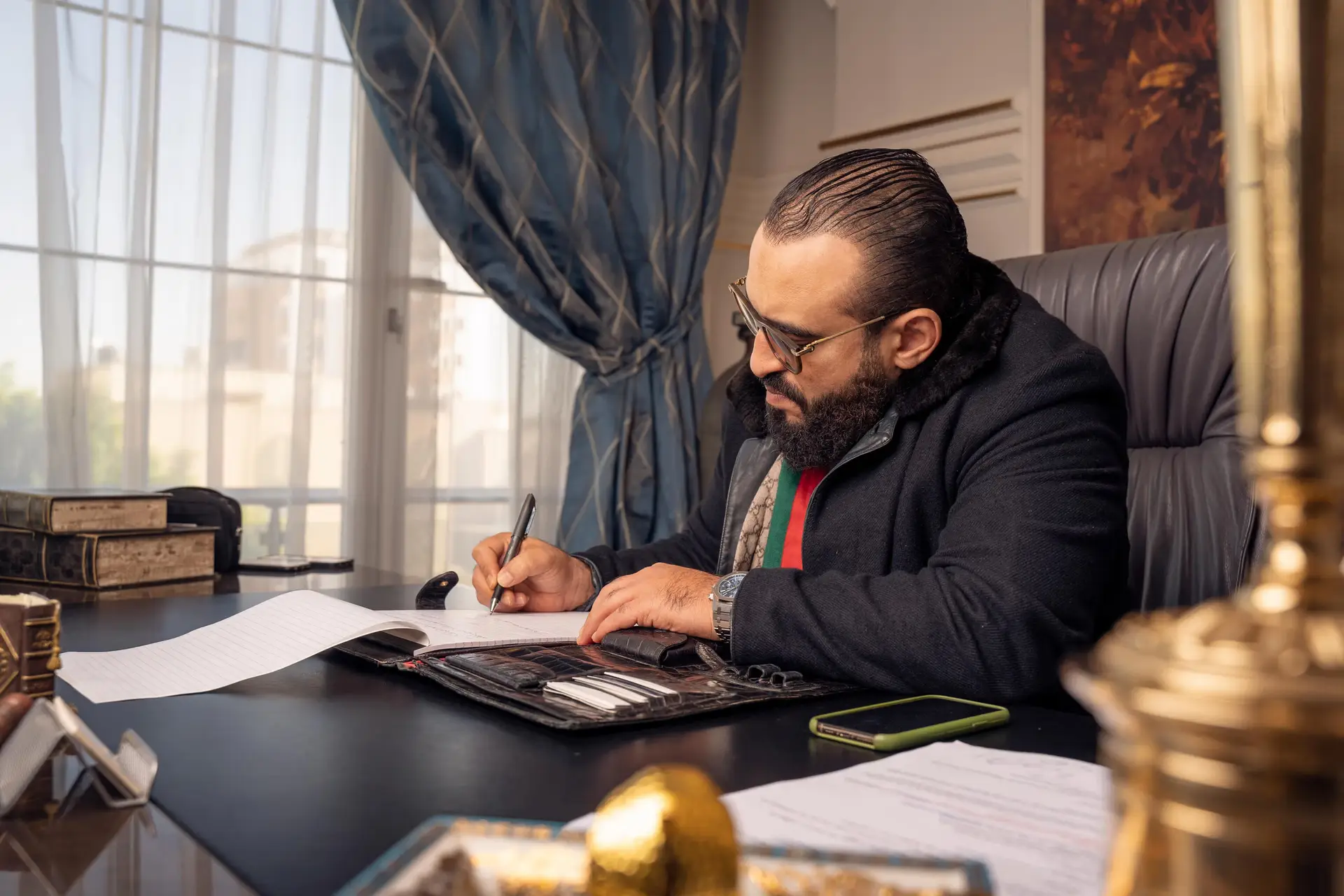
In the gilded conference rooms where the future of artificial intelligence is mapped out, the vulnerabilities remain surprisingly primitive. A former OpenAI engineer now finds himself in a San Francisco federal court, accused of resorting to a surveillance tactic straight out of a Cold War novel: plugging a bug behind a television set and attempting to conceal it with toilet paper.
According to US federal prosecutors, 35-year-old Abdulrahman Alfozan was not merely acting as a rogue employee during his year-long tenure at the AI firm. Court documents allege that the Saudi national enjoyed substantial support from his home government. Investigators claim he maintained frequent communication with a member of the Saudi royal family, raising immediate alarms about foreign state-sponsored intelligence gathering targeting American technology giants.
The mechanics of the operation were uncovered on September 30, when OpenAI staff discovered the hidden audio recorder. A covert camera placed in the room subsequently captured Alfozan entering on October 5 and checking behind the monitor. FBI agents arrested the engineer four days later, prompting OpenAI to terminate his employment.
The case extends beyond corporate trade secrets into the realm of statecraft. Federal prosecutors argued in court filings that the incident presents a genuine threat to national security, pointing out that senior US government officials had conducted meetings with OpenAI executives in that precise room while the listening device was active.
The argument for keeping Alfozan detained pending trial rests heavily on what prosecutors describe as a coordinated exit plan funded by Riyadh. When agents interviewed Alfozan's wife, she stated that her US visa was expiring and that the family intended to return permanently to Saudi Arabia. On October 10, the day after Alfozan's arrest, his wife and son boarded a one-way business class flight to Doha. Prosecutors revealed that a Saudi military official purchased those tickets.
With his family already out of the country and a scheduled one-way flight to Riyadh cancelled by his arrest, prosecutors contend the engineer has no incentive to remain in the American legal system. Alfozan now faces a maximum penalty of five years in prison and a $250,000 fine if convicted. The Saudi government did not immediately respond to requests for comment, leaving Silicon Valley to contemplate how fragile its perimeter might actually be.
Written by Sandy van Dongen sandy.vandongen@alpineweekly.com