Oct 19, 8:01 PM
Soup Kitchen Socialism Comes to Berlin
A plan for state-subsidized canteens highlights how Berlin's political class prefers market distortion to economic sanity.
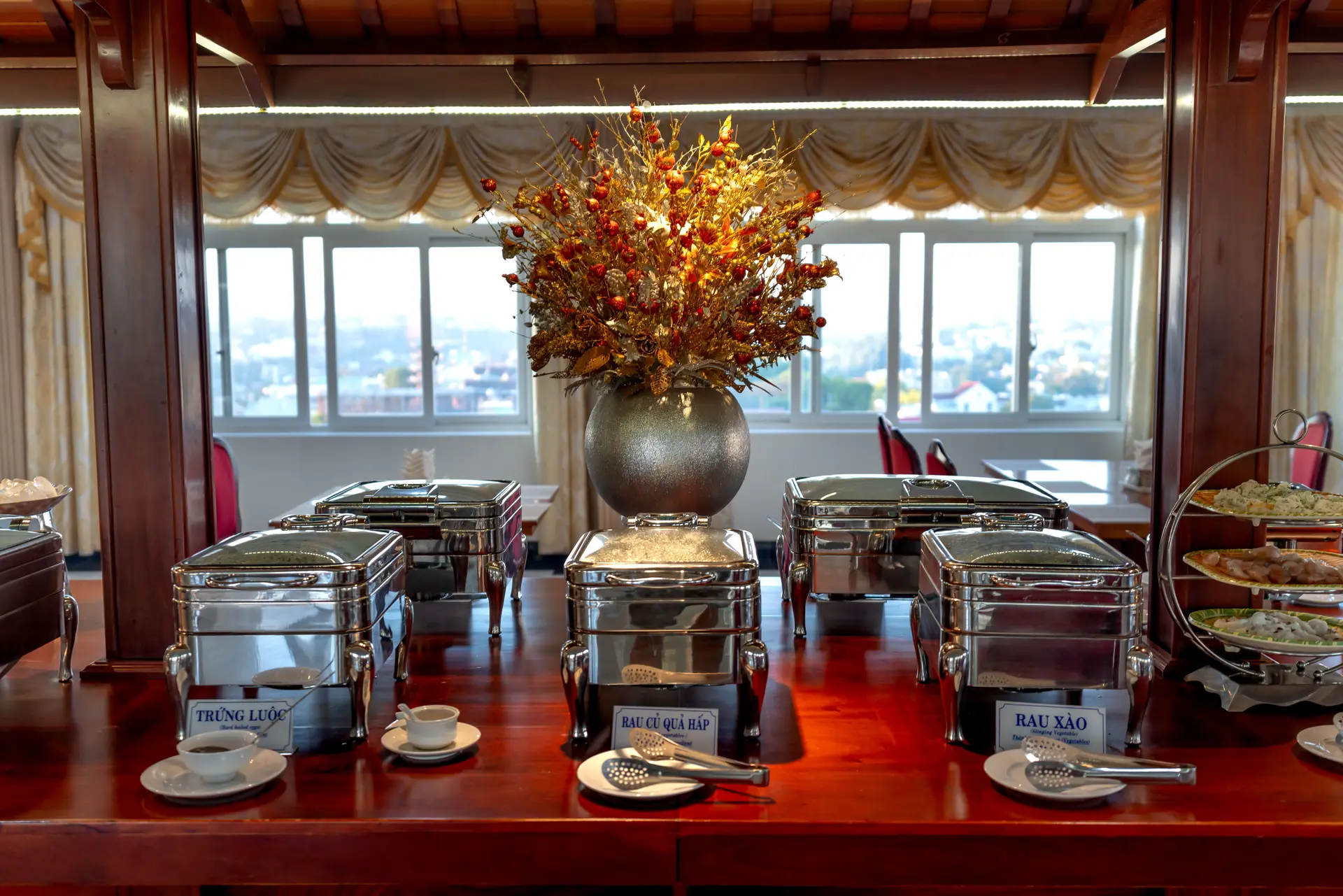
When a city's political leadership struggles to maintain basic economic vitality, the temptation to substitute market mechanisms with state-run charity becomes almost irresistible. In Berlin, the coalition of the Social Democrats, the Greens, and Die Linke has officially enshrined the concept of government-funded neighborhood canteens on page 15 of their latest exploratory paper. The explicit ambition is to guarantee a locally accessible supply of cheap and healthy food served in public community spaces.
Though the coalition document itself remains discreetly vague regarding overall costs or precise meal prices, the intellectual origin of the project is no mystery. It stems directly from the election platform of Die Linke, which envisioned a network of at least twenty state canteens dishing out 14,000 warm meals every single day. Under that proposal, any resident—regardless of income—would receive a hot lunch for three euros, courtesy of a 20-million-euro annual injection from the municipal treasury.
To observe a government stepping in to fix prices and distribute meals is to watch a textbook exercise in economic self-sabotage. Private restaurateurs in the capital, already struggling under elevated inflation, rising costs, and regulatory burdens, now face the prospect of competing against taxpayer-funded kitchens. Rather than creating an environment where businesses can thrive and workers can afford their own meals, the political class opts to turn citizens into clients of the state.
Interestingly, even within the governing parties, sanity occasionally flashed before being promptly extinguished. During a parliamentary session in late August, SPD politician Lars Düsterhöft explicitly warned against creating state-financed competition around the corner. He pointed out that government price-setting of food belonged to the economic playbooks of Walter Ulbricht and Erich Honecker—policies that ultimately ruined the East German economy.
Yet such warnings were quietly brushed aside. The Berlin chapter of the SPD had already capitulated to its youth wing, the Jusos, voting in favor of publicly funded canteens back in May. The logic of modern Berlin governance remains remarkably consistent: when market intervention causes structural distress, the preferred remedy is simply more intervention.
Written by Andreas Hofer andreas.hofer@alpineweekly.com