Oct 19, 10:01 PM
Purged Rolls and Banned Square: India's Bureaucratic Friction Meets Street Politics
An attempt to clean up 130 million voter files transforms into a prolonged standoff between New Delhi's authorities and youth activists.
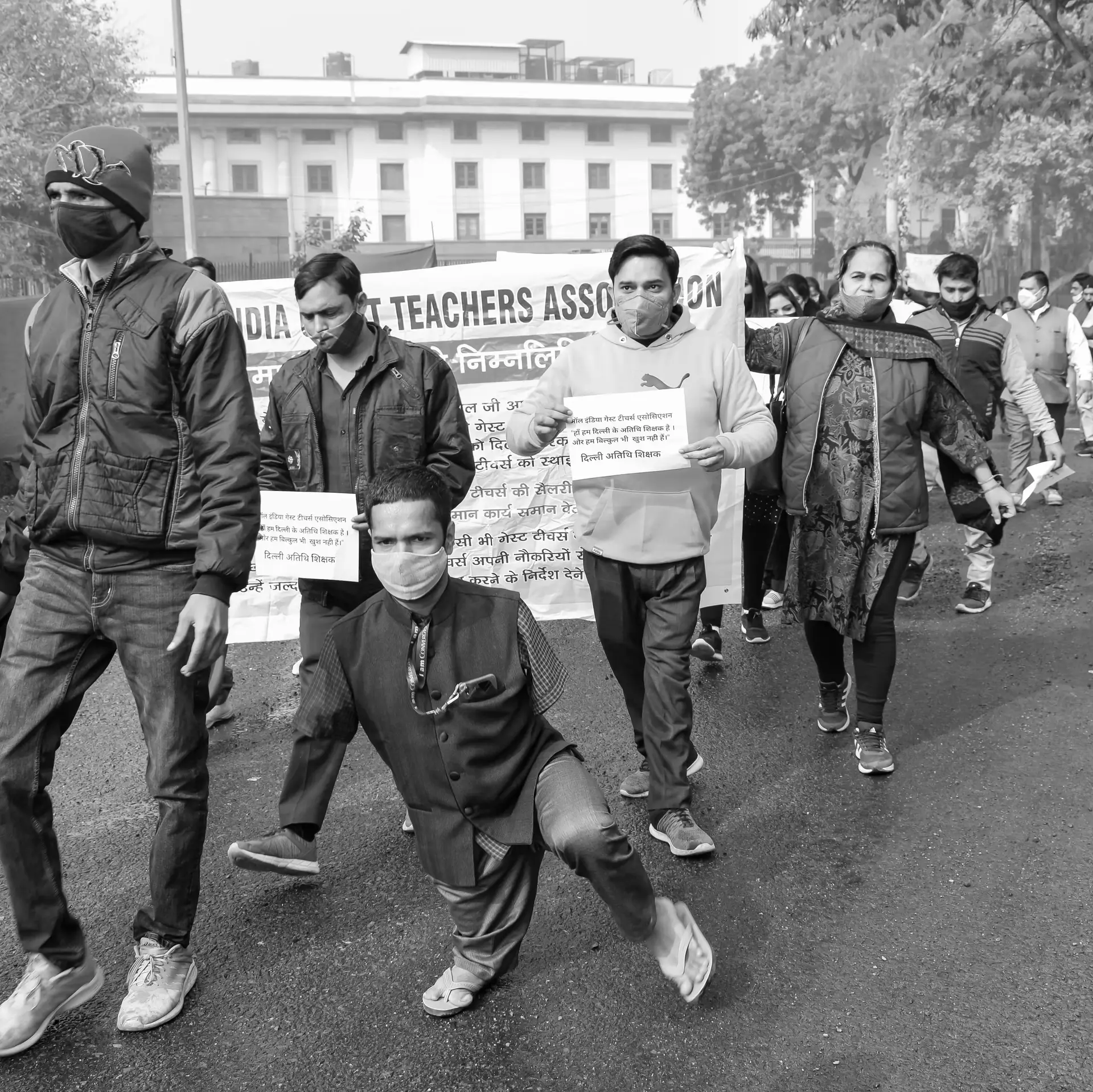
When an electoral apparatus decides to scrub 130 million entries from its voter rolls in one clean sweep, administrative routine rarely remains administrative for long. In New Delhi, the fallout from this massive ledger-cleaning exercise has spilled straight from courtroom benches onto banned protest grounds. Two young figures of the youth-led Cockroach Janta Party, Ashutosh Ranka and Saurav Das, will spend two additional days in custody after an Indian court granted police extra time for interrogation.
The duo’s crime was climbing over barricades to breach Jantar Mantar, a historic Delhi observatory that authorities had conveniently struck from the list of permitted demonstration sites just twenty-four hours earlier. Ranka and Das were among fourteen demonstrators detained during the action and initially sentenced to five days in prison. CJP legal head Ratna Singh characterised the extension outside the court as an absolute mockery of the judicial system, confirming that the party plans an immediate appeal to a higher venue. Meanwhile, the legal wrangling has only fueled wider unrest, drawing CJP founder Abhijeet Dipke and numerous student leaders into police custody during subsequent solidarity rallies.
Behind the skirmishes over police barricades lies a systemic battle over voting rights and political legitimacy. The CJP, flanked by opposition factions and left-wing student organisations, has staged near-daily demonstrations throughout October demanding the immediate resignation of Chief Election Commissioner Gyanesh Kumar. Opponents contend that the sweeping roll revisions systematically favor Prime Minister Narendra Modi’s ruling Bharatiya Janata Party.
The Election Commission insists its motives are purely technical rather than tactical. According to official figures, the purged names consist of 28 million deceased individuals, 63 million citizens who relocated, and another 30 million who could not be located by surveyors. The commission maintains that biased filtering is nonexistent and that any legitimately registered voter removed by mistake remains free to re-enrol. For its part, the ruling BJP accuses its political rivals of cynically questioning established democratic institutions to score partisan points.
Whether police detentions will damp the momentum of this movement remains doubtful. The CJP has already demonstrated its appetite for institutional confrontation, having previously forced the resignation of Education Minister Dharmendra Pradhan following a high-profile scandal over leaked examination papers. With millions of voters questioning their status on the rolls and youth activists treating court-ordered detentions as badges of political necessity, New Delhi's governance machine faces a stubborn challenge to its administrative authority.
Written by Martina Kirchner martina.kirchner@alpineweekly.com