Oct 19, 10:01 PM
Drying Rivers and High Costs: The Dry Reality of Swiss Hydroelectric Dreams
As drought slashes Rhine electricity production by a third, bureaucratic plans for new micro-plants face harsh economic truths.
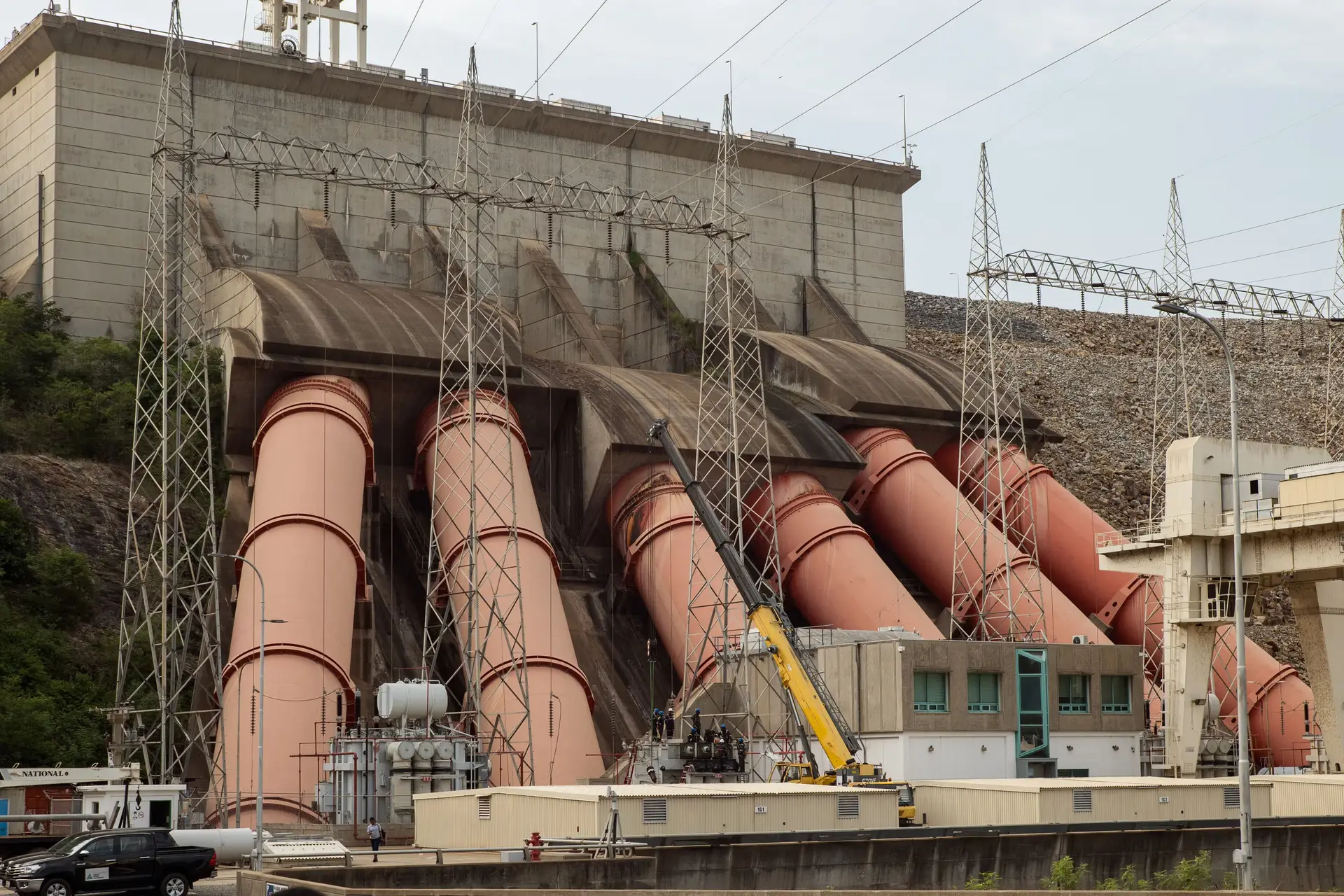
When the Rhine slows to a sluggish trickle, energy policy hits the dry riverbed of reality. In Birsfelden, home to Switzerland’s largest run-of-river power station, the summer heat of 2026 has transformed a usually reliable energy workhorse into a stark monument to hydrological vulnerability. Water flow has plummeted, forcing output down by a third and leaving two of the facility's four massive generators sitting completely idle.
The math behind the shortfall is unsparing. The Birsfelden station, which typically supplies roughly 17 percent of the broader Basel area’s household electricity, currently processes just 270 cubic meters of Rhine water per second. That is a fraction of its maximum 1,500-cubic-meter capacity. Station director Sasha Jäger expects 2026 to go down as the worst production year in the plant's history, after river levels dropped by up to 65 percent. Farther south, BKW Energie AG reports a similar drought-induced drop in first-half production across its portfolio, though the Bern-based energy group remains coy about releasing exact figures.
Yet, while major energy producers watch their water margins evaporate, public authorities seem curiously detached from commercial arithmetic. Canton Basel-Landschaft is actively seeking operators for six proposed micro-hydroelectric power plants along the Birs and Ergolz rivers. This planning initiative comes despite the fact that both waterways were reduced to mere trickles during the summer heatwave.
Energy executives are openly unimpressed by the state's local buildout enthusiasm. Norbert Beckert, head of energy production at Elektra Baselland, dismissed such micro-projects as economically non-viable, citing prohibitive construction costs and cumbersome permitting processes. His assessment comes from direct experience: a smaller plant operated by his firm in Zwingen, built just five years ago, had to be shut down entirely for two months this summer. While designed intentionally to generate the bulk of its power during the wetter winter months, such prolonged summer blackouts test the economic patience of commercial operators.
Hydrologists like Bettina Schaefli argue that small, decentralized plants can still enhance local security of supply, provided they are engineered specifically for winter yields rather than summer peaks. But balancing modest winter output against the ecological disruption of damming small riverbeds remains a dubious equation. Can state planners really mandate profitable green energy when nature refuses to yield the water, and red tape inflates the bill?
Written by Thomas Nussbaumer thomas.nussbaumer@alpineweekly.com