Oct 19, 8:01 PM
The Algorithmic Boss and the Illusion of Efficiency
As Australian firms deploy AI to track workers down to fraction-of-a-percent error rates, corporate surveillance is replacing real leadership with paranoid control.
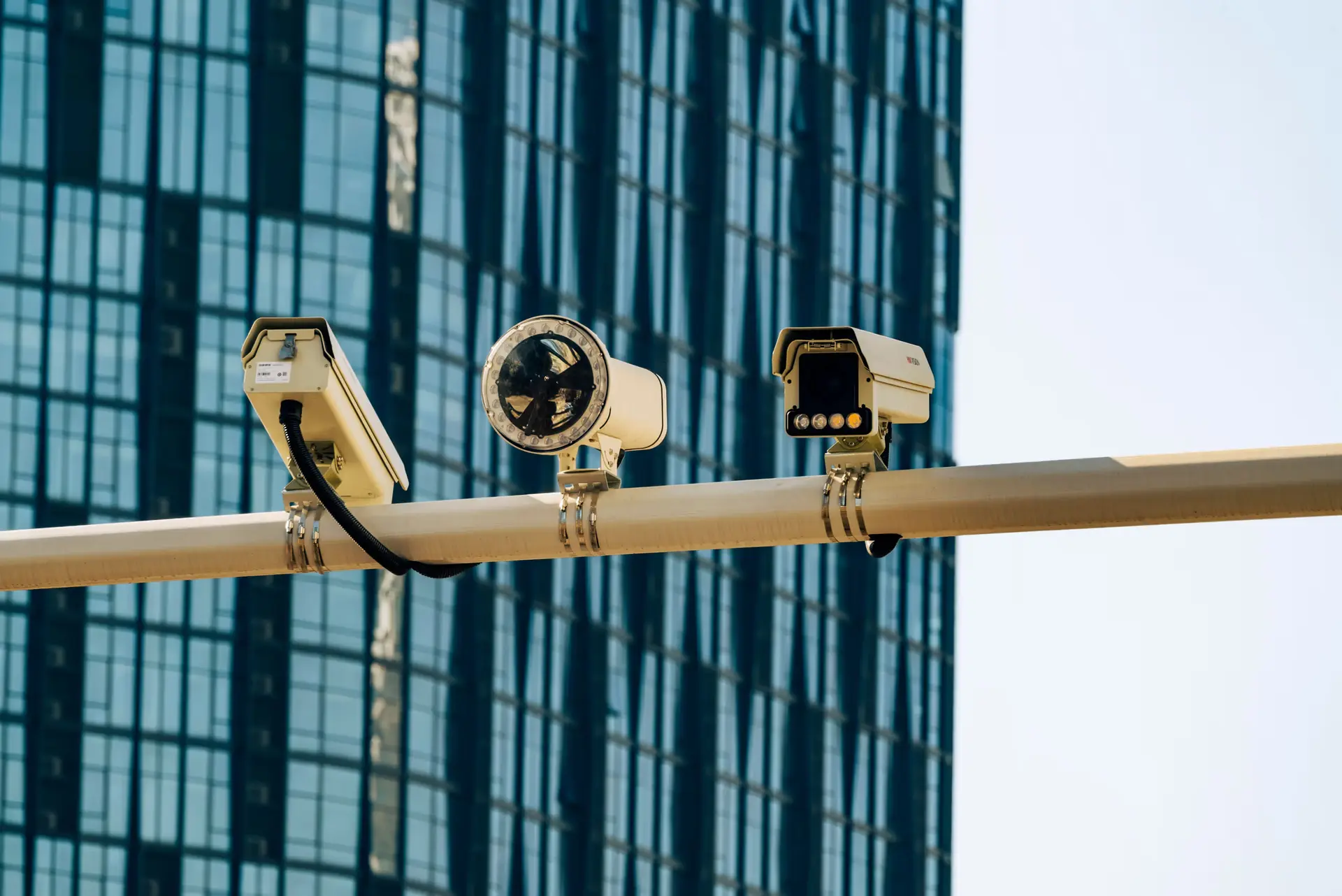
The modern enterprise appears to have concluded that human trust is a liability best replaced by software. In offices, warehouses, and retail aisles across Australia, traditional managerial oversight has dissolved into a digital panopticon where keystrokes, Wi-Fi connections, and even break room movements are systematically logged. What is framed as efficiency optimization increasingly looks like corporate paranoia elevated to corporate strategy.
A report from the Human Technology Institute at the University of Technology Sydney highlights just how deeply algorithmic monitoring has embedded itself in everyday work. The examples gathered paint a grim picture of hyper-quantified labor. Consider the case of a supermarket cashier who received a final written warning after an artificial intelligence tool flagged her error rate. Her offense? An imperfection rate of 0.18 per cent, or roughly one mistake for every 533 items scanned. In another instance, a fast-food franchise installed surveillance cameras near change rooms to prevent staff from looking at their phones, prompting young employees to avoid the facilities entirely.
This obsession with total visibility extends into corporate suites. Software tools integrated into standard office platforms, including Microsoft Teams, now automatically update an employee’s physical location the moment their device connects to workplace Wi-Fi. Yet, workers remain largely in the dark. A Minderoo-commissioned poll revealed that while 43 per cent of Australians were aware that companies deploy surveillance technology, only 9 per cent knew whether they were personally being tracked at their job.
This information asymmetry thrives within explicit legal blind spots. Current legislation, specifically exemptions within the Privacy Act covering employee records and small businesses, has allowed surveillance practices to expand with minimal friction. Addressing a joint parliamentary inquiry on artificial intelligence, the Human Technology Institute’s co-director, Professor Edward Santow, argued that transparency alone cannot remedy the imbalance. The institute is advocating for sweeping reforms to the Fair Work Act, including a statutory test ensuring any monitoring is fair and reasonable, alongside powers for ministers to ban intrusive hardware like smartglasses and a new complaints scheme within the Fair Work Commission.
Politicians and unions are taking note. Senator Tony Sheldon described the trend as a serious concern, emphasizing that this report raises critical concerns about the impact of workplace surveillance on the privacy, health and dignity of working Australians. Yet the deeper question for corporate boards is one of economic rationality. When executives rely on algorithms to police a fraction of a percent of human error, they are not building a high-performance organization. They are merely replacing genuine leadership with a counterproductive illusion of control.
Written by Thorben Thiede thorben.thiede@alpineweekly.com