Nov 1, 1:01 PM
Public Broadcasters, Private Riots: How German State Media Rationalizes Mob Violence
While looters hit Frankfurt and police faced pyrotechnics, state broadcaster WDR debated the strategic utility of street violence.
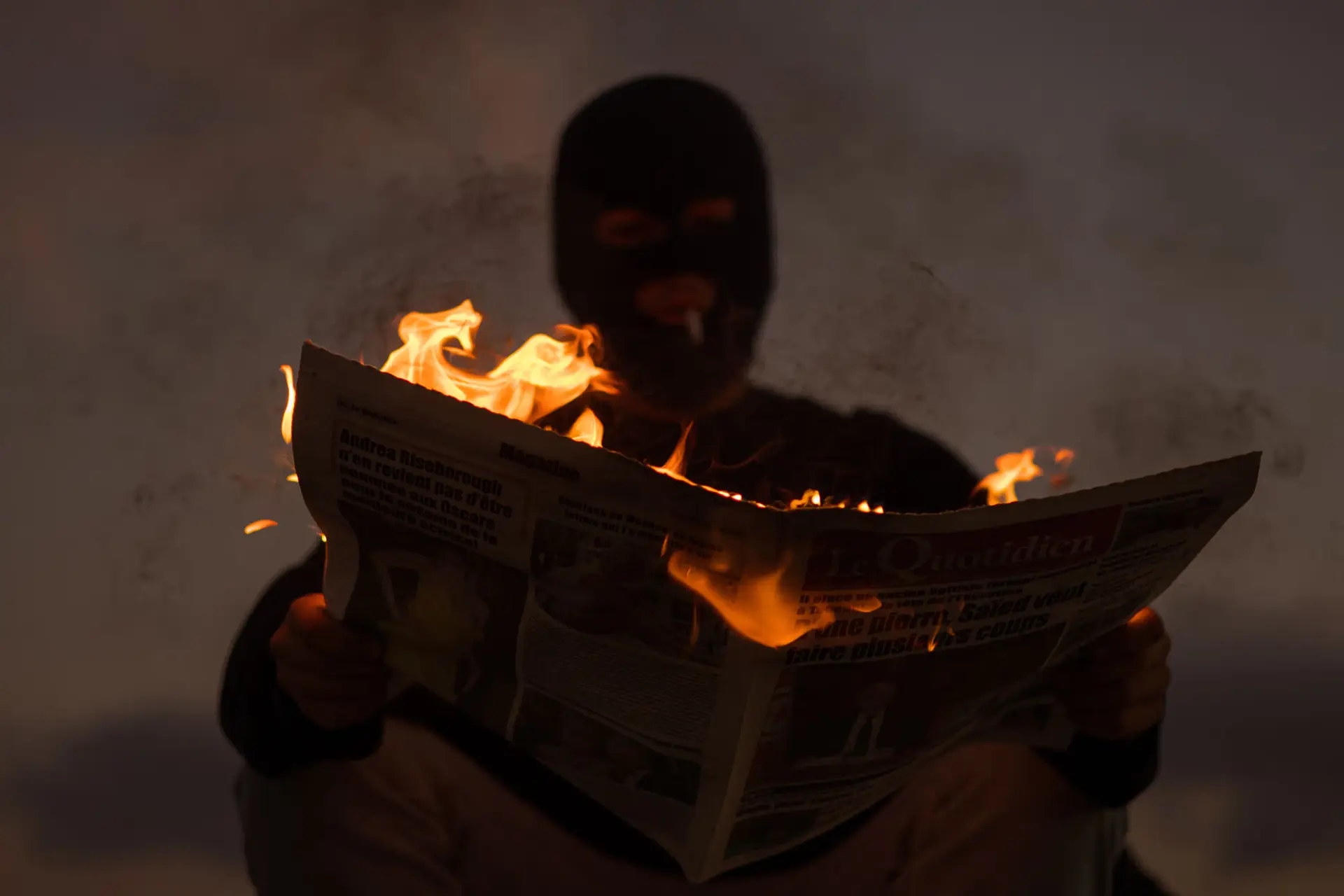
There is a distinct luxury in sitting in an editorial office while rationalizing the mechanics of mob rule. As violent unrest broke out across several German cities under the banner of the GenZ regelt movement, state-funded public broadcaster WDR delivered a timely contribution to the discourse. Through its science magazine Quarks, the broadcaster took to Instagram to ask whether protests actually require violence to succeed.
The timing was exquisite. While police officers in Frankfurt am Main were defending themselves against thrown bottles, stones, and pyrotechnics, Quarks was busy explaining the nuances of escalation. The magazine conceded that non-violent movements are statistically twice as successful, yet made sure to add that violent action can still achieve results depending on the target regime and its objectives.
What stood out was not the dry statistical observation, but the editorial emphasis. The public broadcaster showed little interest in the real-world collateral damage of mob action—shattered windows, injured officers, or ruined livelihoods. Instead, the primary risk of violence, as framed by the magazine, was tactical: rioters might alienate the general public if their actions appear unreasonable, thereby reducing potential government concessions.
Peaceful gathering, meanwhile, received a muted endorsement. Purely peaceful protests risk appearing far too harmless to yield results, the magazine suggested. For maximum leverage, civil disobedience in the form of street blockades or squatting was highlighted as the preferred engine for generating political pressure.
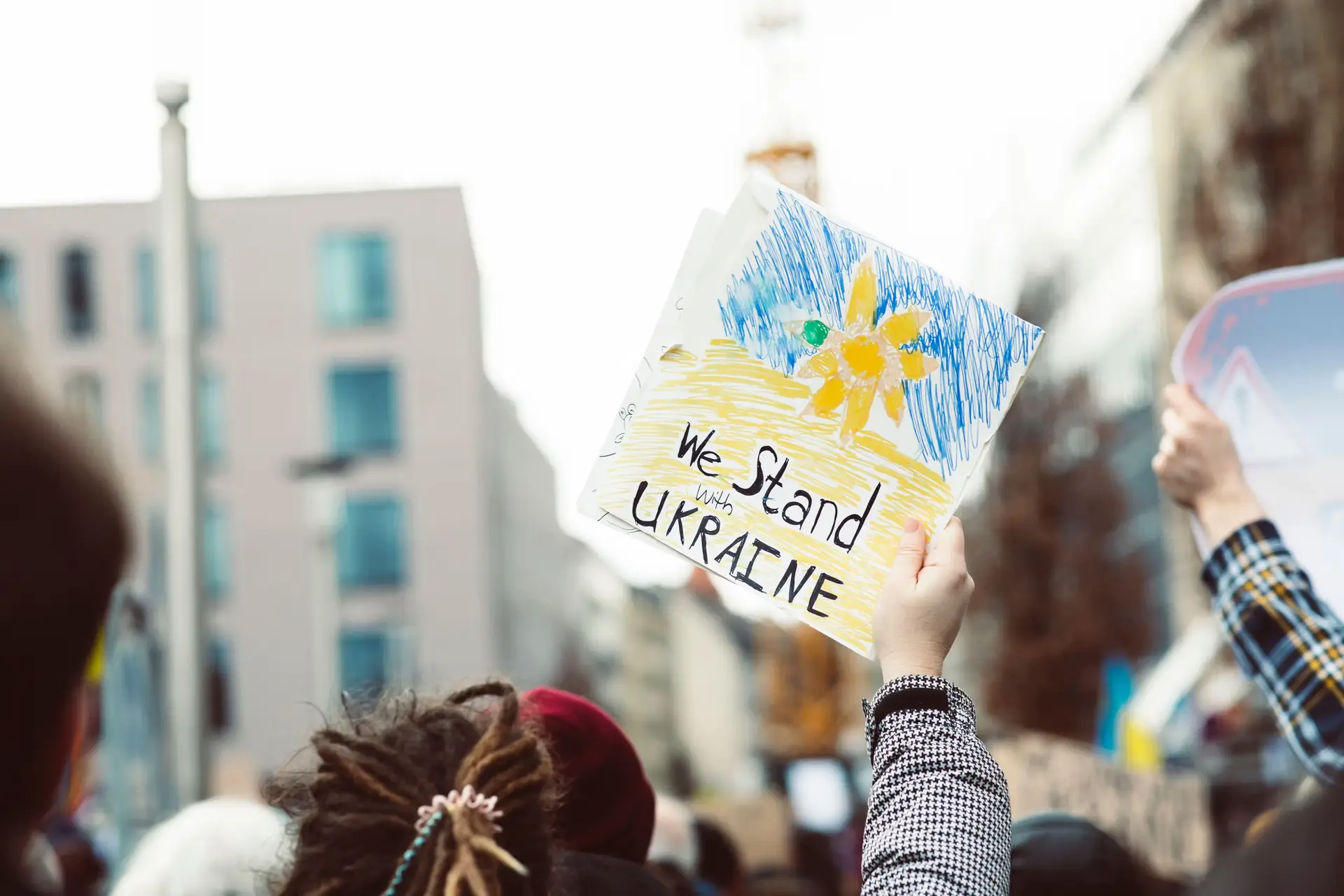
While these academic pointers circulated online, the practical application was on full display in the streets. In Frankfurt, the situation devolved into open criminality, with looters targeting retail outlets including H&M and Snipes stores. Police in Berlin and Cologne were forced to disband demonstrations after coming under direct attack.
The disorder closely mirrored recent events in France, where student demonstrations rapidly degenerated into widespread arson, looting, and violent clashes with law enforcement. Germany’s political and media establishment appears content to treat this growing lawlessness not as a breakdown of public order, but as a strategic communications dilemma for the protesters. When state-financed media acts as a tactical advisor for street agitators, the erosion of internal security is no longer an accident; it is an institutionally funded outcome.
Written by Christiane Hofreiter christiane.hofreiter@alpineweekly.com