Nov 1, 3:01 PM
Powdered Ancestors: When Medieval Medicine Got Accidental Science Right
Researchers discover that pulverised ancient mummies contained legitimate antiviral properties against influenza.
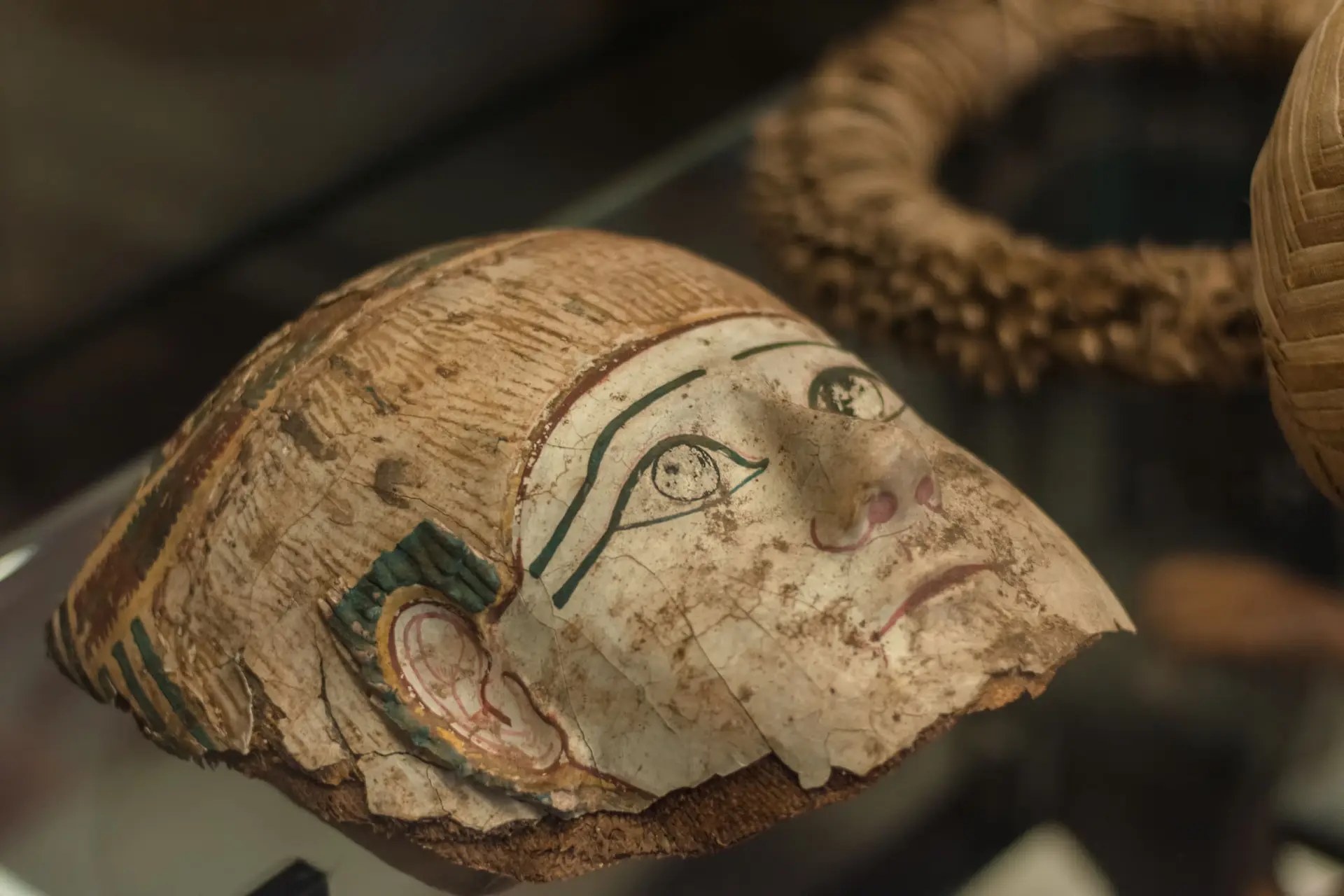
Long before modern pharmacology filled drugstores with slickly packaged placebos and overpriced decongestants, apothecaries offered a far more grotesque remedy for life’s physical miseries. If a medieval patient suffered from fever, coughs, fractures, or ear infections, the standard prescription was often Mumia vera aegyptiaca—quite literally, pulverised ancient Egyptian mummies. What reads like a morbid medieval farce turns out to have contained a surprising grain of scientific truth.
A research team led by Egyptologist Tanja Pommerening and pharmacist Raphael Reher at the University of Marburg recently set out to decode the secrets of this historical elixir. Their findings, published in the Proceedings of the National Academy of Sciences, reveal that medieval apothecaries may have unwittingly dispensed a functional antiviral agent. By re-evaluating 41 historical texts and examining 24 physical samples—ranging from centuries-old pharmacy stocks to embalming residues scraped from bandages and mummified remains—the team uncovered a surprisingly complex botanical cocktail.
The ancient Egyptians relied heavily on resins from coniferous trees such as pine, spruce, fir, and larch to preserve their dead. Modern medicine has long attributed antiseptic properties to these tree resins. However, the Marburg researchers also discovered chemical traces of aloe, an ingredient never previously identified in connection with ancient Egyptian embalming practices.
When subjected to modern laboratory testing using a sample from the Marburg collection, the results were intriguing. The embalming resins showed virtually no effect against various disease-causing bacteria, leading Pommerening to suggest that their antibacterial potency may simply have degraded over the centuries. Yet, when exposed to influenza viruses, the extract demonstrated a distinct protective effect on cells.
Curiously, the single dominant chemical compound in the mix, 7-Oxodehydroabietinsäure, proved completely useless on its own. The researchers suspect that the antiviral defense relies on a complex interplay between multiple plant substances working in tandem. While influenza viruses were only scientifically isolated in the twentieth century, the medieval symptoms managed by mummy powder closely match modern respiratory infections.
Before anyone attempts to restock their medicine cabinet with a trip to the local antiquities museum, a practical obstacle remains. Authentic Egyptian mummies are notoriously finite, and supply chain constraints will prevent Mumia vera from returning to pharmacy shelves. Still, the revelation that cannibalistic historical medicine possessed actual pharmacological merit leaves modern science with a curiously bitter pill to swallow.
Written by Martina Kirchner martina.kirchner@alpineweekly.com