
Nov 1, 3:01 PM
The Price of Exclusion in Lebanon
Trapped between legal bans and hyperinflation, Palestinian refugees pay the price for Lebanese state failure while Brussels funds security fixes.
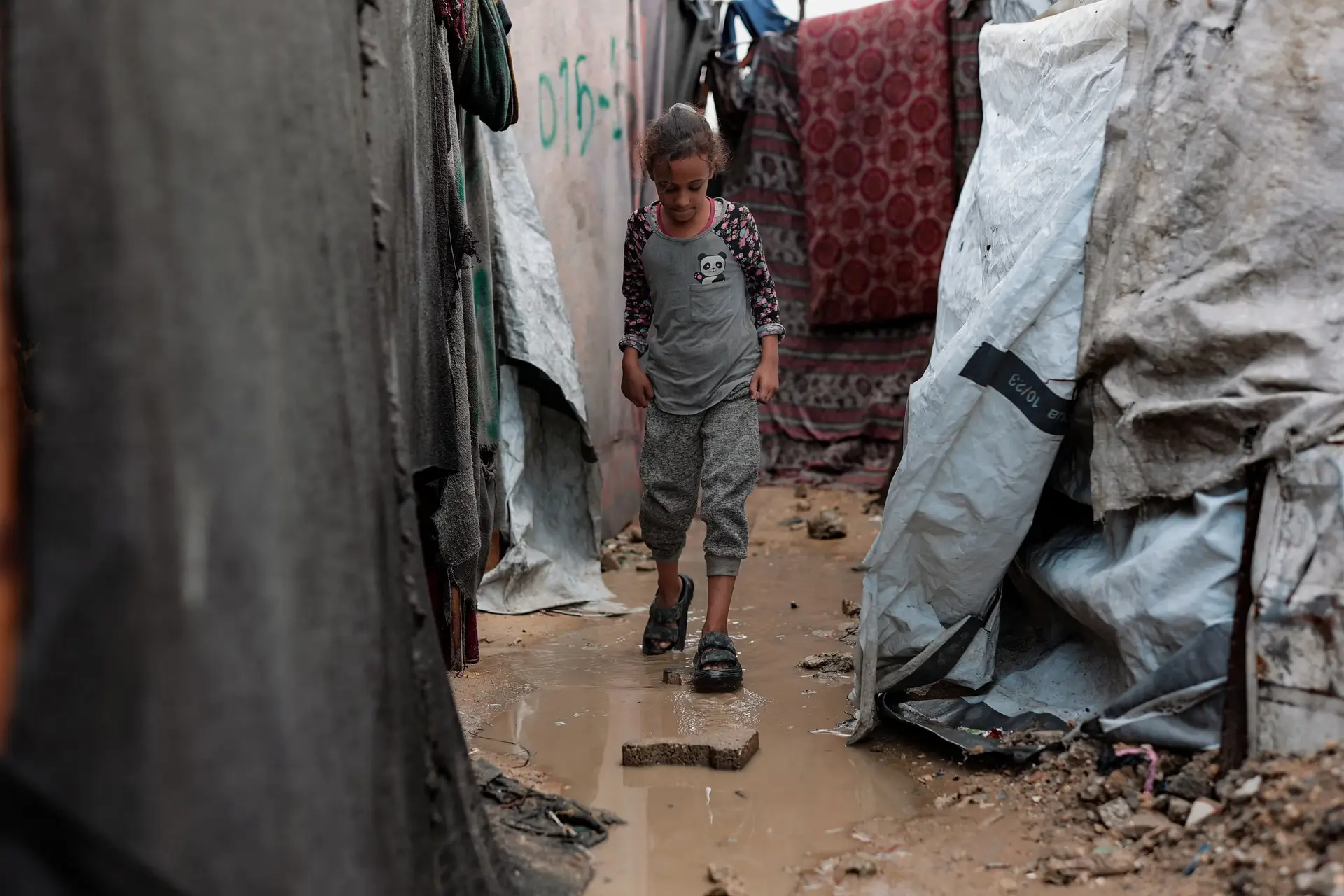
When state-managed economic policy collapses, those legally forbidden from participating in the market suffer first. In Lebanon, roughly 222,000 Palestinian refugees registered across 12 official UNRWA camps are discovering that structural exclusion combined with currency decay leaves virtually no room for self-reliance.
Consider the micro-level realities of Lebanon’s economic stagnation. Shopkeepers in Tripoli’s Beddawi refugee camp, such as former aluminium vendor Osama Najjar, were forced to abandon their enterprise in early 2024 as hyperinflation and exorbitant energy costs stripped away operating margins. With state electricity supplied for only a few hours per day, residents rely heavily on private energy providers. The World Bank forecasts that Lebanese inflation could reach 17.5 percent in 2026, further eroding purchasing power in a population already pushed to the edge.
Lebanon’s legal framework deliberately suffocates Palestinian economic integration. Tracing back to a 1964 decree governing foreign labor, non-nationals have faced strict work permit regimes. Marginal legislative adjustments in 2010 and ministerial decrees in 2021 or February 2026—which allowed Palestinian nursing students to seek employment sponsorship—have done nothing to dismantle the structural ban excluding Palestinians from high-skilled professions like law, medicine, engineering, and pharmacy. Forbidden from owning property and politically unrepresented in Lebanon's ethno-sectarian system, refugees are left legally stranded.
The international relief apparatus offers little relief. UNRWA saw major donors freeze funds in 2024 following allegations regarding employee involvement in the October 7, 2023 attacks. While several governments reinstated funding, UN Secretary-General Antonio Guterres warned of an immediate 100 million dollar deficit, with UNRWA expecting a funding shortfall of at least 200 million dollars between late 2026 and early 2027.
Faced with institutionalized job bans and a failing local economy, refugees increasingly choose dangerous maritime routes toward Turkey and Greece. Data from the Friedrich Naumann Foundation shows boat departures doubling between 2020 and 2021, rising another 121 percent the following year—a peril illustrated by a 2022 shipwreck off Syria that claimed at least 86 lives. In late October, the European Union approved a support mission for Lebanon focused on strengthening security forces and maritime security governance. Rather than addressing the economic asphyxiation driving people to sea, Brussels resorts to its default setting: expanding administrative security machinery to manage the symptoms of state failure.
Written by Sandy van Dongen sandy.vandongen@alpineweekly.com