
Nov 1, 3:01 PM
Michigan's $300 Million Theatre of the Absurd
A rust-belt Senate race transforms into a high-stakes arena for foreign policy feuds and donor cash.
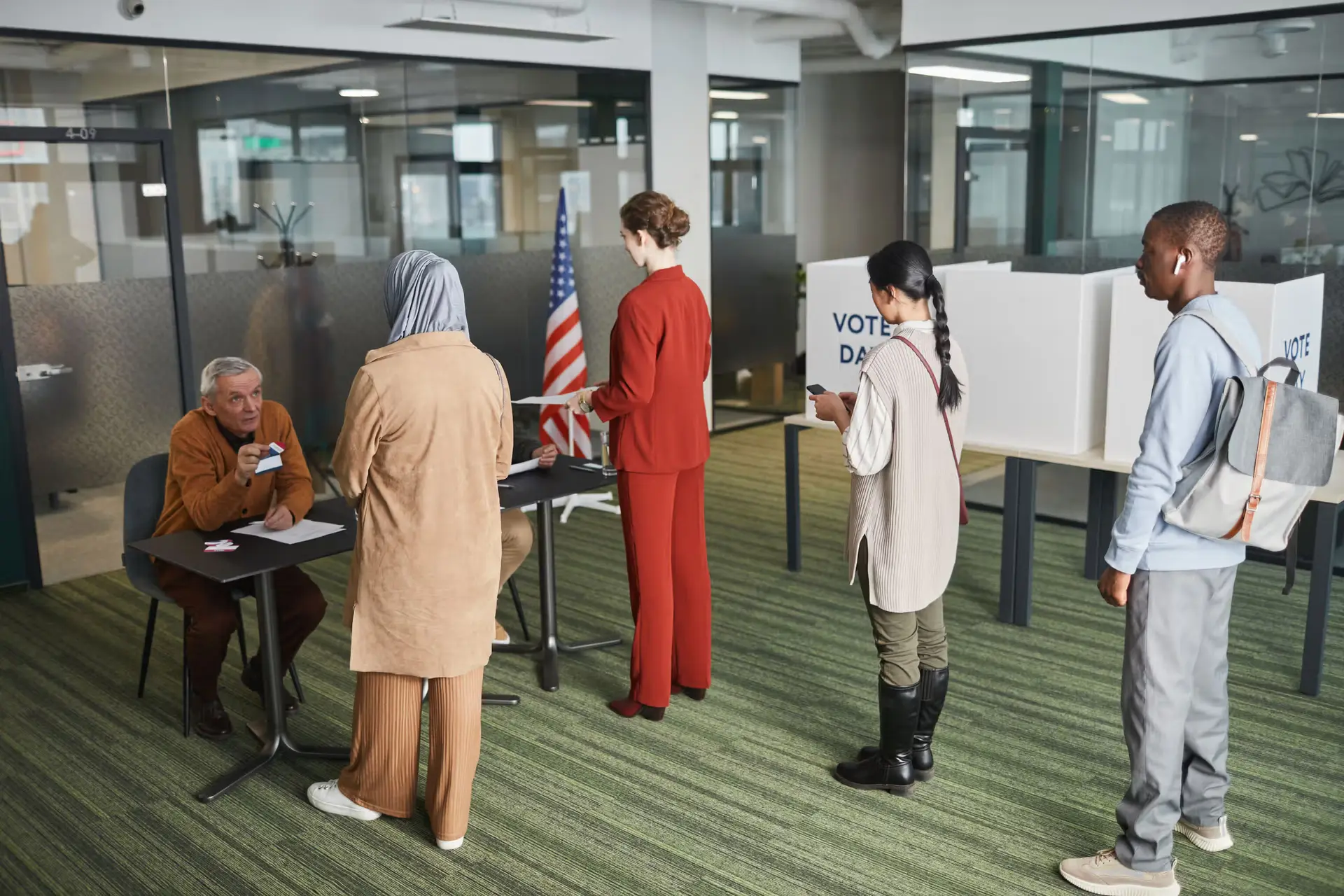
In Michigan, roughly three hundred million dollars are currently being burned to decide a single seat in the United States Senate. For that eye-watering sum, voters in the Great Lakes state are not merely choosing between a Democrat and a Republican to replace the retiring Gary Peters. They are being forced to serve as an ideological battleground for everything from progressive healthcare fantasies to Middle Eastern geopolitics.
On one side stands Abdul El-Sayed, a forty-two-year-old former public health official of Egyptian descent. A champion of Medicare for All who failed in his 2018 gubernatorial primary bid against Gretchen Whitmer, El-Sayed has now positioned himself as the standard-bearer for the Democratic Party’s progressive wing. Should he prevail, he would become the country's first Muslim senator—a milestone that has attracted international press coverage from European outlets while drawing fierce attacks from his opponents. El-Sayed’s campaign rhetoric explicitly links American funds sent overseas to domestic neglect, arguing that money spent on foreign conflicts would be better directed toward crumbling domestic infrastructure and clinics.
Facing him is Mike Rogers, a sixty-three-year-old former congressman and state legislator who narrowly lost a Senate bid in 2024. Rogers presents a predictable menu of Republican policy proposals: tax cuts, deregulation, and expanded domestic energy production. While maintaining close ties to Donald Trump, Rogers has periodically tried to distance his campaign from the president, supporting military actions against Iran while simultaneously calling for a quick resolution to the fighting.
The primary friction point in this contest, however, is not the local economy, but the war in Gaza and broad American involvement in the Middle East. El-Sayed has accused Israel of committing genocide, triggering an aggressive counter-campaign from pro-Israel donor networks. The American Israel Public Affairs Committee initially funneled over thirty million dollars into the Democratic primary to back El-Sayed's rival, Representative Haley Stevens. After El-Sayed won that primary anyway, the partisan melodrama only intensified. In a bizarre turn of events, Stevens’s own fiancé recently endorsed Rogers, citing El-Sayed’s stance on Israel, while Stevens herself continues to criticize the Democratic nominee in media appearances even as she claims she will vote for him.
Cash has flooded the state from every political corner as a result. Conservative political action committees, supported by high-profile donors including Miriam Adelson and Elon Musk, have directed millions toward electing Rogers. Meanwhile, the pro-Israel United Democracy Project has funneled nine hundred thousand dollars directly into mailers and channeled nine million dollars to a pro-Rogers Republican group. Democratic donor networks, including the Senate Majority PAC, have matched this spending onslaught with their own multi-million-dollar buys.
With recent polling indicating a razor-thin lead for El-Sayed of four to seven percentage points, independent analysts at the Cook Political Report classify the race as a toss-up. In a state where polling data has repeatedly proved unreliable, a few thousand votes will decide whether the Democrats retain control of the chamber or yield a six-year Senate mandate to the Republicans.
Written by Andreas Hofer andreas.hofer@alpineweekly.com