Nov 1, 9:01 AM
Blaming the Uniform: How Public Media Reframes Street Violence in Germany
As youth protests turn into violent riots across major German cities, state broadcaster WDR chooses to lecture the police on tactical sensitivity.
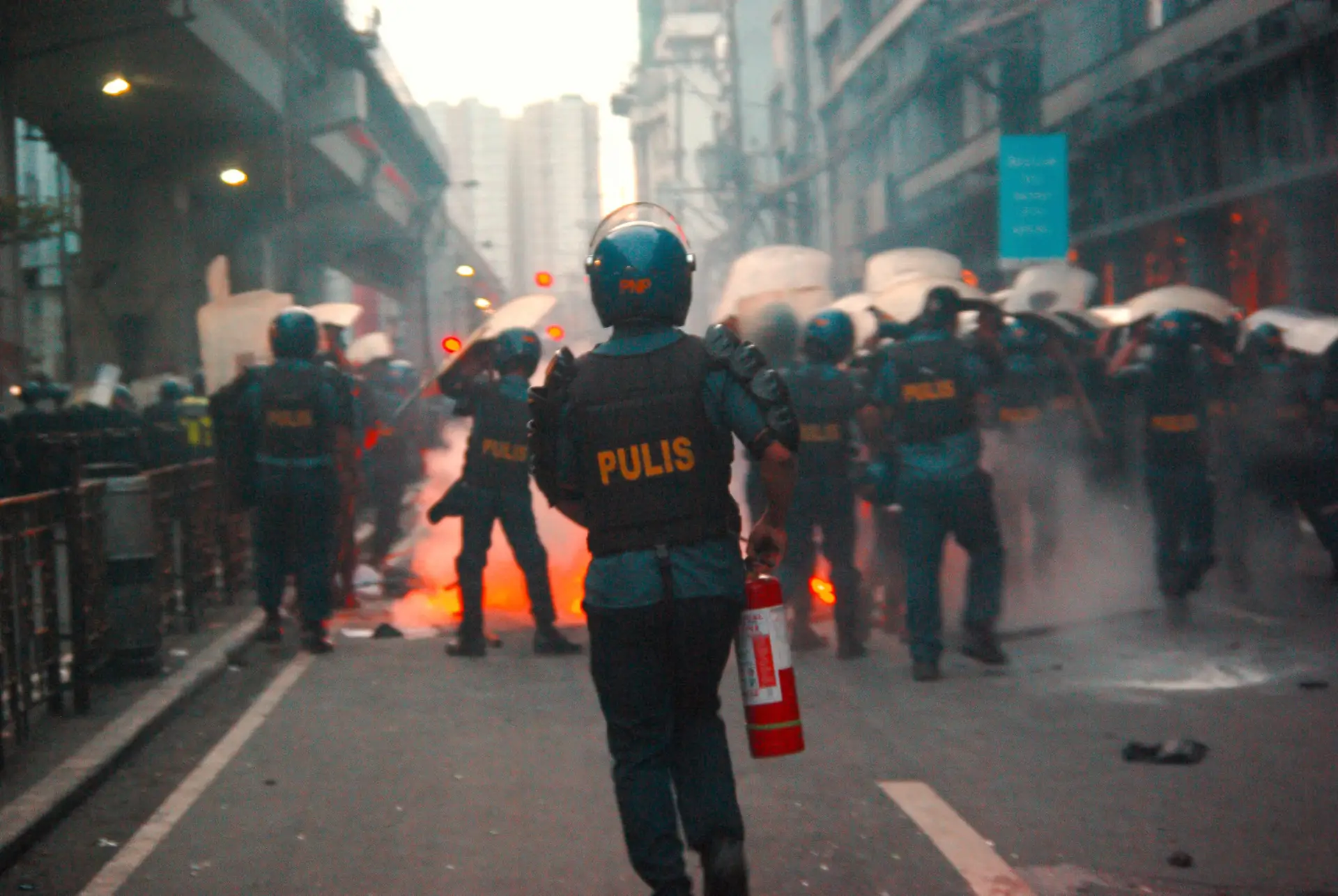
When violence spills onto German city streets, public media outlets follow a well-rehearsed script: blame law enforcement for maintaining order rather than those breaking it. The recent unrest surrounding youth demonstrations in Cologne provided yet another masterclass in inverted responsibility.
Reporting for public broadcaster WDR, field reporter Jochen Hilgers quickly identified the supposed catalyst for the chaos around Cologne Cathedral: a police water cannon. In his broadcast, which was promptly distributed via social media platform X, Hilgers claimed that the mere presence of the vehicle escalated the situation and pulled innocent bystanders into danger. Rather than focusing on the crowds attacking officers with pyrotechnics and heavy objects, the reporter argued that the police suffered from a lack of sensitivity and demanded an official investigation into the police response. Hilgers conceded that sitting comfortably behind a microphone makes criticism easy, yet his narrative was set.
While the state-funded broadcaster disseminated the reporter’s critique of the police, additional video footage documenting the actual assaults on law enforcement remained absent from its feed. Yet the reality on the ground was far from a peaceful youth gathering. Around two hundred individuals rioted near Cologne's iconic cathedral, hurling bottles and bicycles at officers. In a nearby alley, a thrown electric scooter shattered a shop window, though Cologne authorities noted that actual store looting was avoided in the city.
The chaos in Cologne was merely a single chapter in a broader wave of urban unrest that swept through major urban centers, including Berlin, Hamburg, Leipzig, and Frankfurt. Mirroring recent riots in France, these violent outbursts were driven by an aggressive mix of far-left extremists and migrants. In Frankfurt, the situation deteriorated even further: officers faced volleys of stones, bottles, and pyrotechnics while mobs looted retail outlets such as H&M and Snipes. Footage of a looted weapons store in Frankfurt quickly spread across the internet.
Demanding sensitivity from police officers who are being targeted with fireworks and thrown bicycles reflects a bizarre distortion of priorities. When state-funded media outlets rush to scrutinize police equipment while glossing over coordinated violence and urban looting, it says far more about the state of Germany's media apparatus than about the officers trying to restore control on the streets.
Written by Thomas Nussbaumer thomas.nussbaumer@alpineweekly.com