Nov 2, 11:01 AM
Brussels Shuffles the Deck Chairs as Energy Bills Rise
Temporary tax trims and central coordination mandates cannot hide the fragile state of European energy policy.
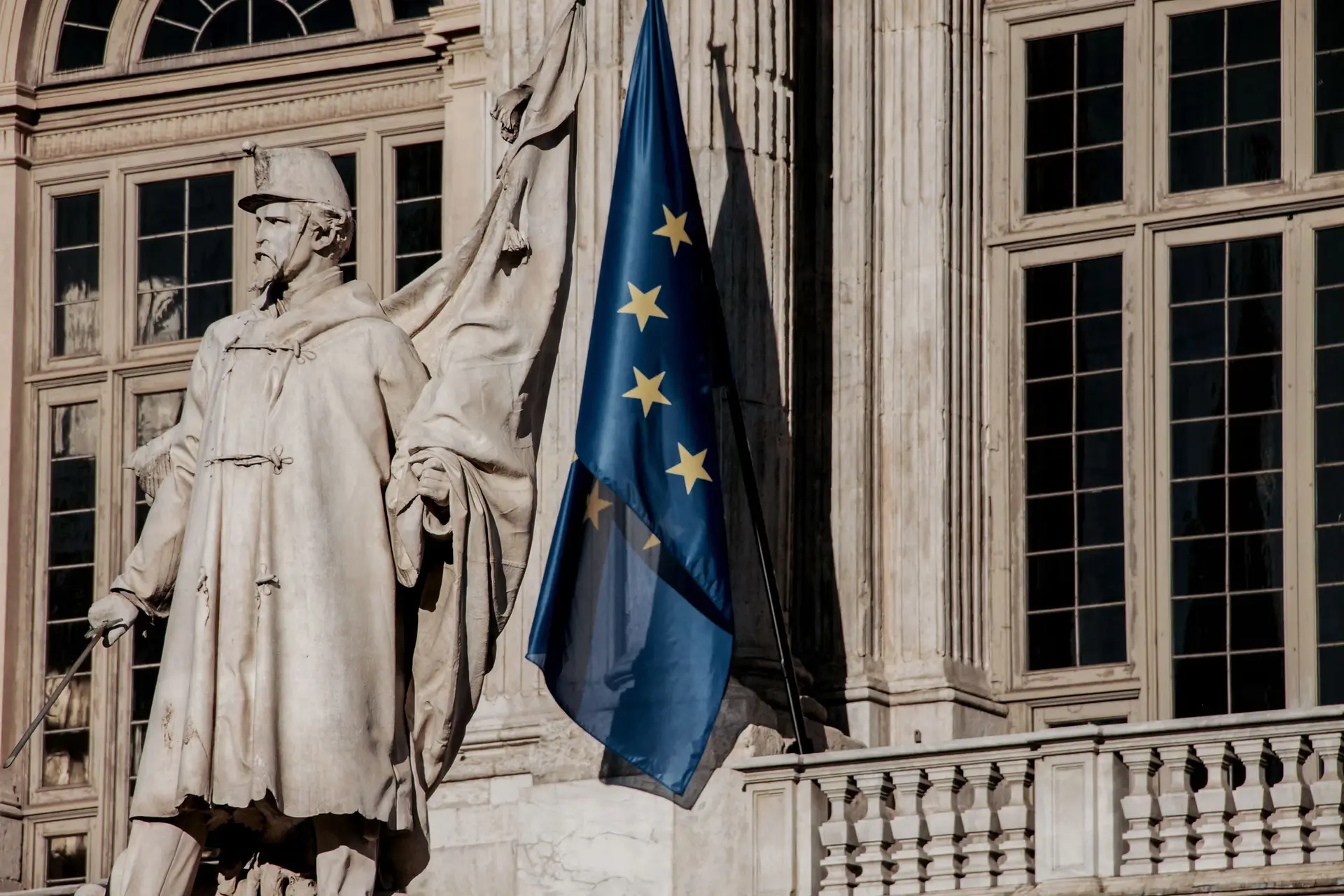
The European Union's energy strategy is a masterclass in administrative self-delusion. When energy ministers convened in late October to address the specter of soaring winter bills, the solutions emerging from the council chambers felt predictably paper-thin. Faced with systemic price volatility, the regulatory machinery in Brussels responded with its favorite tools: tax tweaks, network fee reductions, and gentle suggestions for citizens to run their appliances late at night.
The structural failure, however, cannot be disguised by administrative cosmetic surgery. Prior to the outbreak of major hostilities in Ukraine, Russian pipeline fuel accounted for approximately 45 percent of all EU gas imports. By 2025, that share had dropped to roughly 12 percent. While European officials celebrated this reduction as a political milestone, the reality is far less triumphant. The bloc simply swapped pipeline dependence for liquefied natural gas from the United States, trading predictable delivery for expensive spot market volatility.
That trade has exposed European households directly to external disruptions. Conflict in the Middle East, compounded by the closure of the Strait of Hormuz, has restricted global maritime transit and forced European buyers into aggressive bidding wars against Asian competitors for alternative cargoes. Far from achieving true market security, the European market remains fundamentally exposed to the next geopolitical tremor outside its borders.
What solutions do ministers offer to a public facing high utility bills? Rather than fostering genuine market efficiency or expanding domestic energy capacity, member states plan to trim state-imposed electricity taxes and temporarily lower network tariffs. The plan relies on incentives encouraging households to shift high-energy consumption to off-peak hours, alongside mandated central coordination of emergency gas stockpiles to prevent regional shortfalls as temperatures drop.
It is classic EU governance: a sprawling bureaucratic apparatus attempting to paper over structural vulnerabilities with tax relief and central coordination schemes. By shifting the burden onto household behavioral changes and temporary state subsidies, Brussels pretends to manage a crisis it has merely repackaged. Taxpayers may see temporary relief on their statements this winter, but the underlying reliance on global supply chains remains entirely unaddressed.
Written by Sandy van Dongen sandy.vandongen@alpineweekly.com