Nov 2, 11:01 AM
A Grinding War of Escalation and Attrition in Yemen
While Saudi defences intercept incoming missiles, government troops and Houthi fighters trade heavy blows across al-Jawf and Taiz.
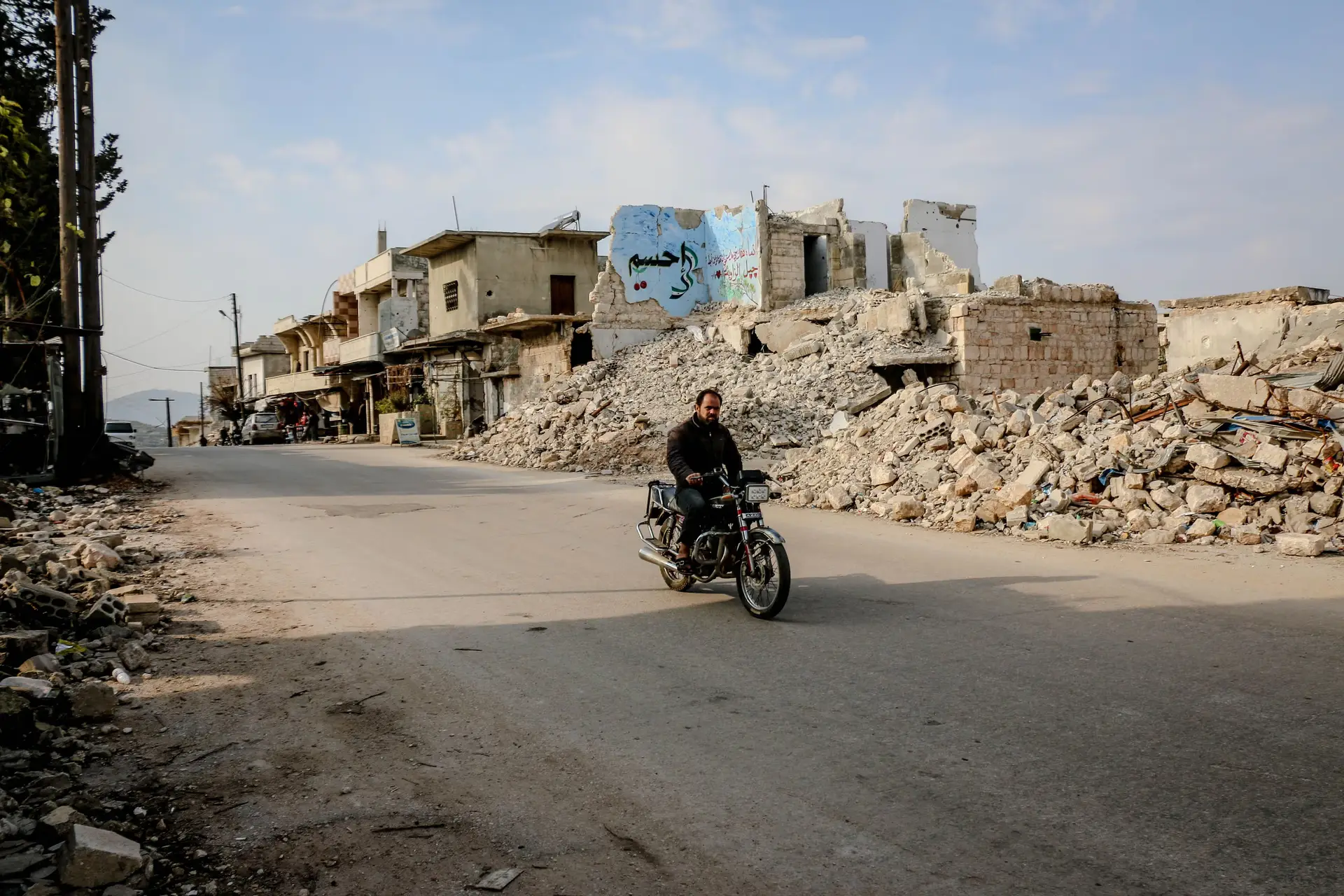
War in the Arabian Peninsula maintains its familiar, grim rhythm of hardware shot out of the sky, sweeping casualty figures, and urban populations quietly strangled by siege. The Saudi-led coalition recently reported another routine interception over its southern region, where air defences destroyed a ballistic missile and a drone launched by Houthi forces. Coalition spokesman Major General Turki al-Maliki confirmed the neutralisation of the incoming threats, which briefly put civil defence authorities on high alert across Abha, Khamis Mushait, Taif, and Najran. In tandem with military responses, Saudi officials instructed residents not to film or publish material concerning the strikes.
Across the border, the Yemeni government's armed forces are pushing forward with their Operation Dawn of Yemen offensive. The campaign, designed to reclaim ground lost since the Houthis seized Sanaa in 2014 and expanded their grip on the Red Sea coast in September, has turned the northern governorate of al-Jawf into a primary theatre of friction. Yemeni army spokesman Colonel Majed Abdullah al-Nazili reported 1,272 targeting operations within a twenty-four-hour window across al-Jawf, Marib, and al-Bayda, claiming the destruction of 170 vehicles and the deaths of roughly 500 Houthi fighters.
The air strikes, however, remain a two-sided affair with severe consequences on the ground. Media outlets aligned with the Houthis reported seven injuries following coalition air raids on Hodeidah, detailing damage at the Ras Isa port dock and an oil site in Bajil. The coalition offered no official comment regarding those specific claims.
Yet the most effective weapon in this conflict remains economic and logistical suffocation. In Taiz, Yemen's third-largest city, a Houthi siege has cut off food, fuel, and medical supplies since early October. Taiz Governor Nabil Shamsan warned that 120 health facilities have already ceased operations, with another 66 nearing complete shutdown. Transporting essential goods via rough alternative mountain routes has proven treacherous, with local committee members reporting that 23 supply trucks have crashed or suffered damage in recent weeks.
Written by Andreas Hofer andreas.hofer@alpineweekly.com