Nov 2, 11:01 AM
Empty Tanks, Heavy Bills: Germany’s Energy Planning Misses the Mark
Berlin failed to hit its own gas storage targets before winter, exposing consumers to market volatility and costly state interventions.
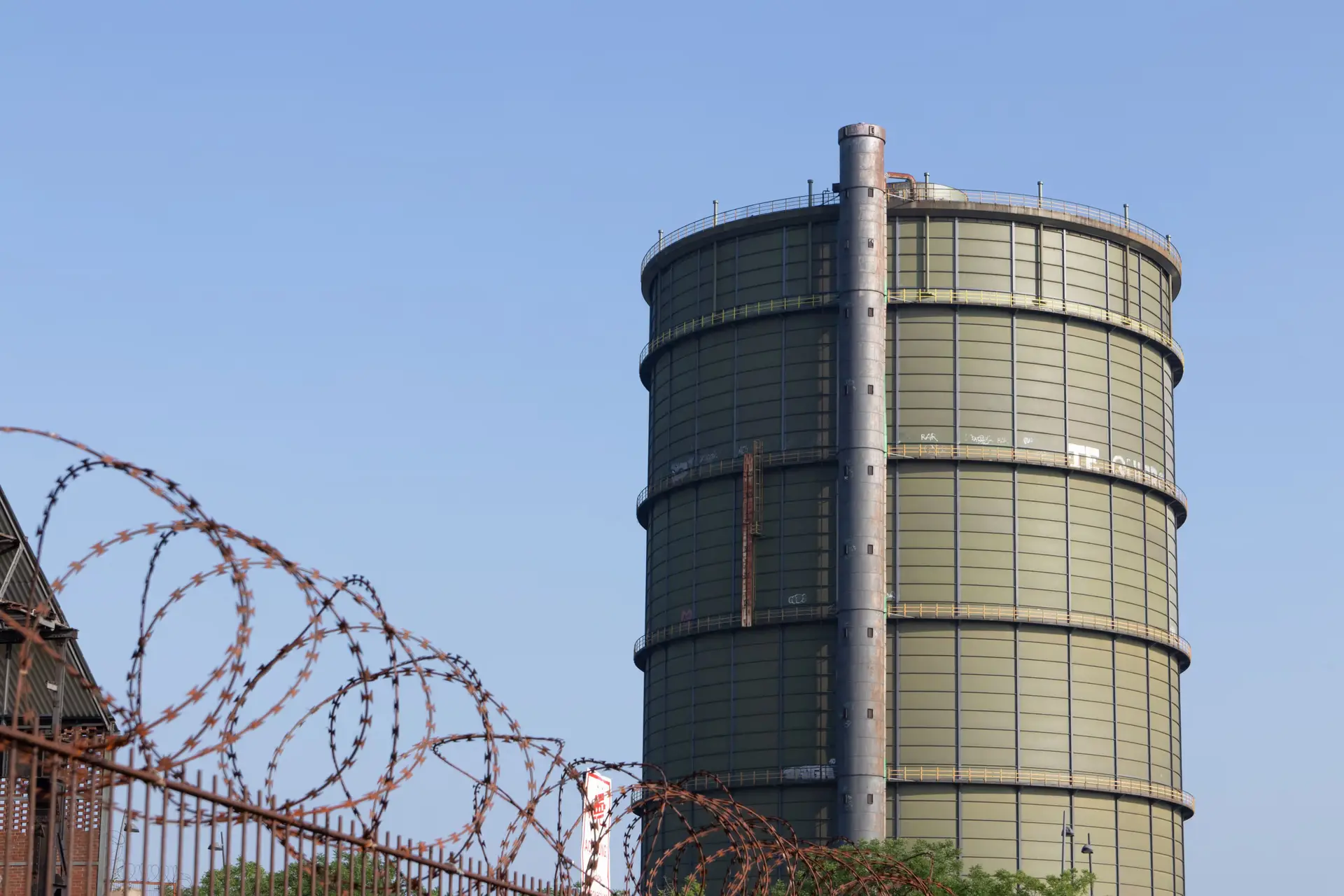
As the heating season begins, Germany’s legal mandates have once again collided with economic reality. By November 1, statutory regulations required national gas storage facilities to reach 70 percent capacity. The actual figure stood at a meager 61.4 percent. While official authorities routinely project calm, market participants and energy experts are quietly preparing for a cold and expensive winter.
The breakdown in storage discipline was entirely predictable. High gas prices over the summer, driven by the conflict involving Iran, fundamentally broke the commercial logic of winter provisioning. Energy traders saw little financial reason to purchase overpriced gas, pay to store it, and risk selling it later at a loss. Market incentives failed because regulatory assumptions ignored basic price signals.
Predictably, the political class has turned to mutual recrimination. Green party energy politician Michael Kellner publicly faulted Economics Minister Katherina Reiche, arguing that the country enters winter without a sufficient safety cushion, leaving consumers vulnerable to price surges at the first cold front. Meanwhile, the Federal Network Agency and the Ministry for Economic Affairs maintain their formal stance, asserting that supply remains stable and heating security is fully assured.
Industry insiders are far less relaxed. Sebastian Heinermann of the storage association Ines noted that lower initial reserves directly constrain daily withdrawal capacities during severe frost. Should late winter bring prolonged cold spells or minor supply disruptions, the pinch will arrive precisely when reserves dwindle around February or March. Even if physical shortages are averted, the financial burden will fall squarely on households through immediate price spikes.
In response, Berlin has resorted to direct intervention. At the end of September, the government instructed state-owned energy firm Sefe to buy and inject additional gas into storage. Looking further ahead, officials plan to construct a permanent national reserve of 24 billion kilowatt-hours, covering roughly ten percent of total storage capacity. Whether layering more state control onto a distorted market fixes the underlying vulnerabilities is something consumers will discover when their heating bills arrive.
Written by Christiane Hofreiter christiane.hofreiter@alpineweekly.com