Nov 2, 11:01 AM
Grounded Gourmet: How Rhine Lows Are Stranding Luxury Cruises
Operators offering Michelin-starred menus on Europe's major waterway find themselves helpless against shallow waters.
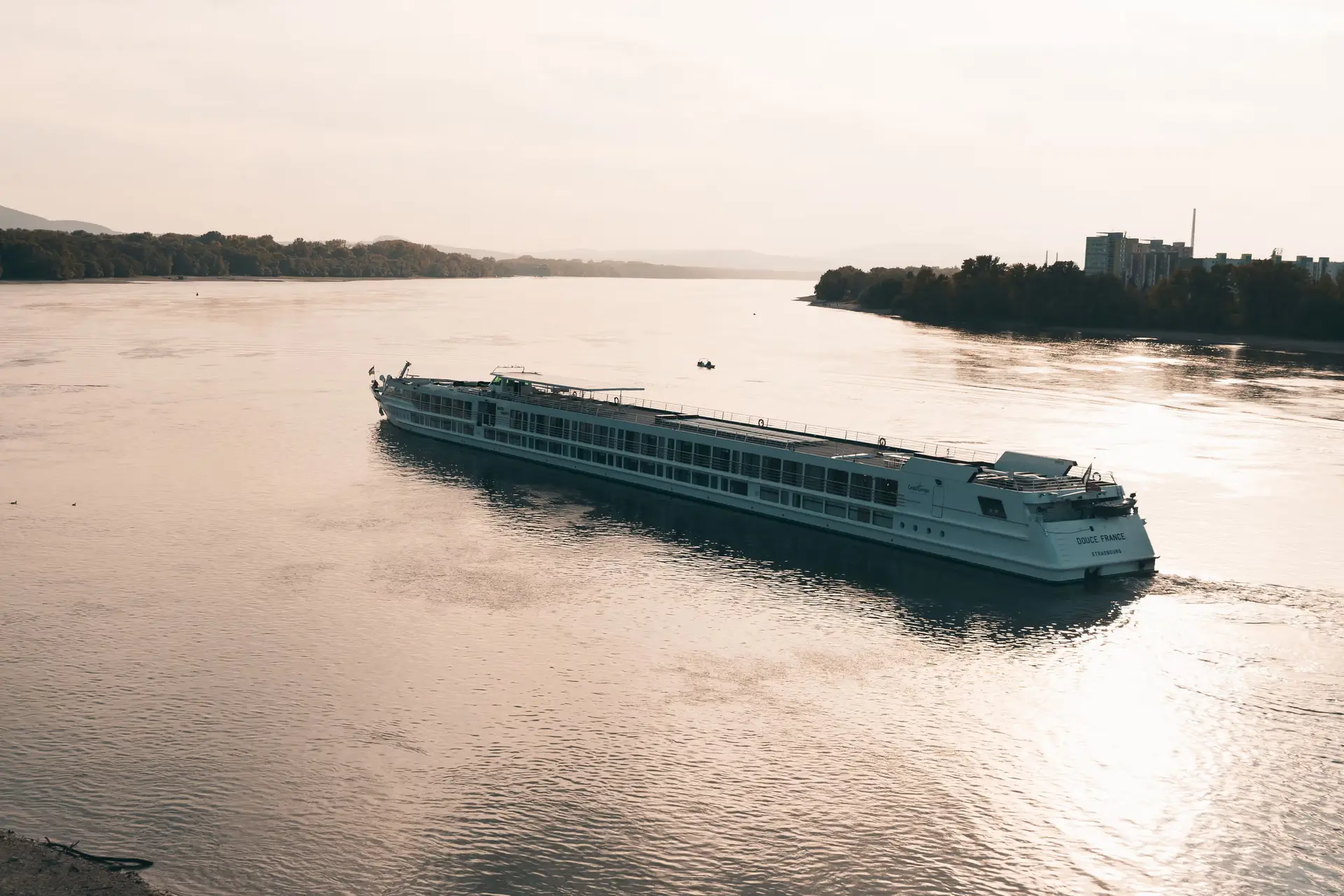
The promise of high-end river cruising is simple enough: glide past Rhine vineyards and historic towns while consuming cured char, lobster bisque, and veal fillets prepared by Michelin-starred chefs. It is a lucrative business model designed to rescue operators from the autumn doldrums. There is only one minor design flaw in this floating feast: it requires a functional river.
Persistent low water levels across the Rhine have grounded these floating culinary venues, turning ambitious seasonal schedules into a logistical mess. Operators now find themselves explaining to high-paying guests why their journeys between Basel and Strasbourg, or past the UNESCO heritage scenery between Rüdesheim and Koblenz, cannot take place.
The root of the immediate bottleneck lies further north in Germany. As Peter Stalder of the industry association IG Rivercruise points out, the cruise fleet is primarily stationed in the deep-water region of the Netherlands. To reach their operational starting points in Strasbourg or Switzerland, these vessels must navigate the Middle Rhine between Bonn and Bingen. Currently, the riverbed in those shallow stretches presents an insurmountable obstacle.
The resulting cancellations hit hard. Excellence Cruises was forced to scrap its festival itineraries through early November, with routes connecting Basel and Strasbourg wiped off the schedule entirely. For an industry attempting to fill less profitable shoulder-season slots before the Christmas holidays, the timing is terrible.
This latest disruption follows a summer already battered by persistent heat and drought. During the initial stretch of low water earlier in the season, a quarter of all scheduled river cruises were canceled outright, while three-quarters were forced to modify their routes. The exact financial damage remains unquantified, though industry representatives concede that guest numbers have dropped significantly. Relief requires substantial rainfall across the region, a commodity currently in short supply.
Destinations along the route are taking the situation with pragmatic resignation. In Basel, where disembarking passengers typically feed into the local economy, officials are left hoping for a December recovery. Basel Tourism director Letizia Elia acknowledges the relevance of cruise visitors, even if business events remain the primary economic driver during the cooler months. Whether rain arrives in time to save the winter trade remains open to question, leaving operators dependent on weather patterns rather than commercial demand.
Written by Thomas Nussbaumer thomas.nussbaumer@alpineweekly.com