Oct 31, 11:00 AM
When Ideology Meets the Real Estate Market
The closing of a famous radical coffeehouse in Athens shows that even revolutionary nostalgia must yield to contract law.
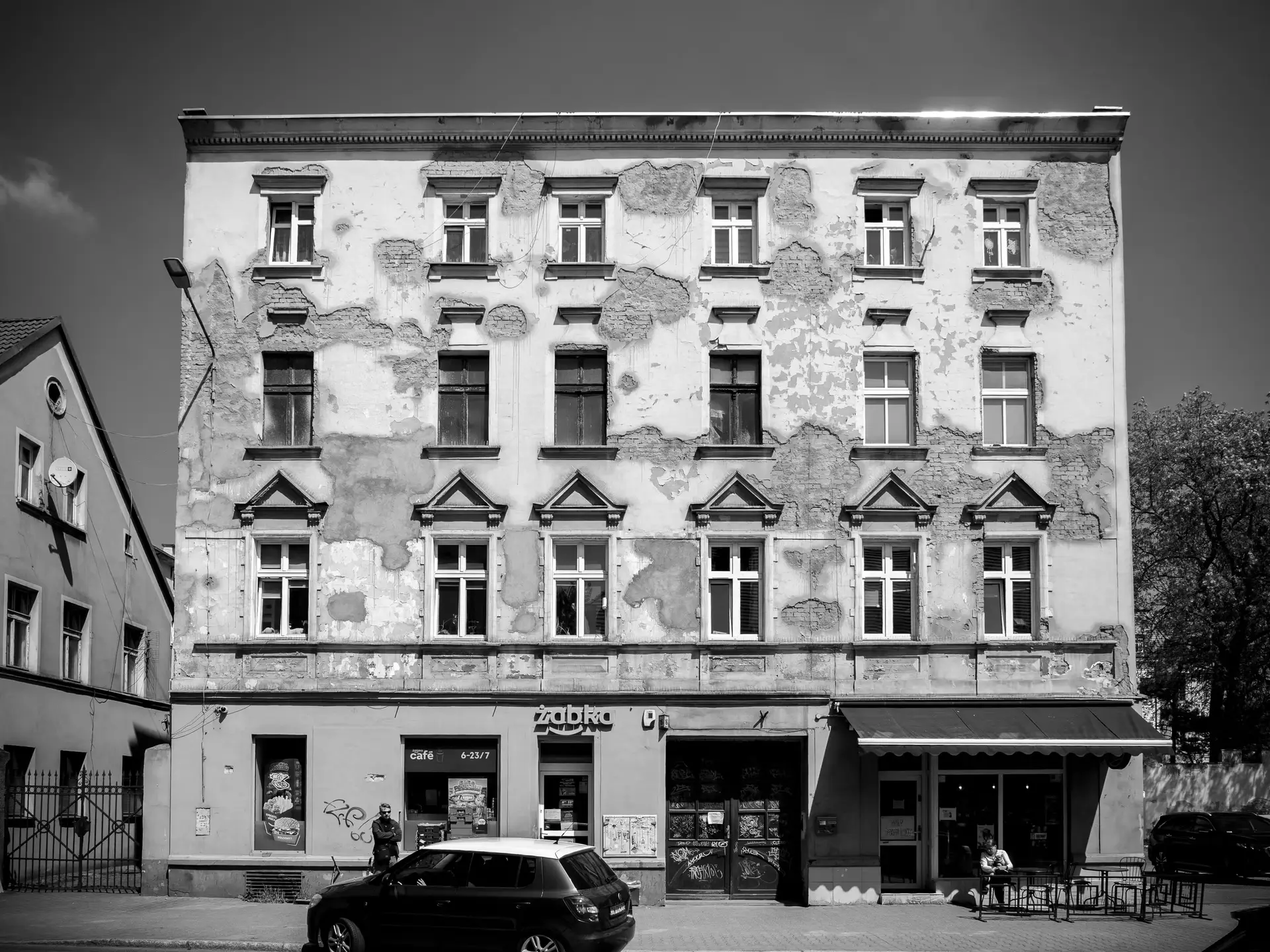
When a lease expires, commercial reality usually dictates the next step. In Exarchia, however, even a routine property decision is elevated into a tragic battle against global capitalism. After forty-four years of operation at the corner of Charilaou Trikoupi and Kallidromiou streets, Mouria—a legendary coffeehouse in the heart of Athens’ radical left-wing district—is closing its doors forever this Sunday.
The saga began last summer when the building's owners decided against renewing the venue's lease. What followed was a predictable script of ideological mourning. Local patrons, accustomed to sipping tsipouro at marble-topped tables, gathered 7,500 signatures on an online petition urging the Greek Ministry of Culture to declare the establishment a protected heritage site. The ministry declined to step in, choosing not to override private property rights to preserve a local hangout.
For decades, the taciturn former waiter Christos Vanas and his daughter Areti ran the venue as a steadfast countercultural sanctuary. Every morning at seven—and two hours earlier on Saturdays to serve market stallholders—Mouria opened to an eclectic clientele of writers, artists, lawyers, and revolutionaries. The establishment proudly refused to modernize: no price hikes, no cafe lattes, and certainly no fashionable spritzes.
Yet Exarchia is changing, whether its radical residents like it or not. The neighborhood’s anti-authoritarian identity, forged around the historic 1974 Polytechnic uprising that broke right-wing military rule, is meeting the relentless force of urban renewal. Foreign tourism in the Greek capital has more than doubled over the past decade. Guided tours now traverse graffiti-lined alleys, short-term rentals replace traditional apartments, and English signage caters to foreign visitors.
Meanwhile, traditional kafeneia are vanishing across Greek villages and cities alike, replaced by modern coffee chains. Added to this is the Greek government's construction of a new metro station in Exarchia’s main square, bringing increased police presence and reshaping public space. For local sociologists and former journalists of defunct left-wing dailies, these developments represent an intentional effort at state discipline and commercial re-engineering.
Yet nostalgia cannot substitute for a valid lease contract. While regulars like retired barristers and veteran actors lament the loss of their informal psychotherapy session over morning spirits, Mouria’s closure simply reflects an undeniable economic truth: no urban enclave is immune to market forces.
Written by Freya Stensrud freya.stensrud@alpineweekly.com