Oct 31, 11:01 AM
Diplomatic Deadlock Leaves UN Western Sahara Mission in Limbo
Competing resolutions from Washington and Moscow fail at the Security Council, threatening the termination of MINURSO.
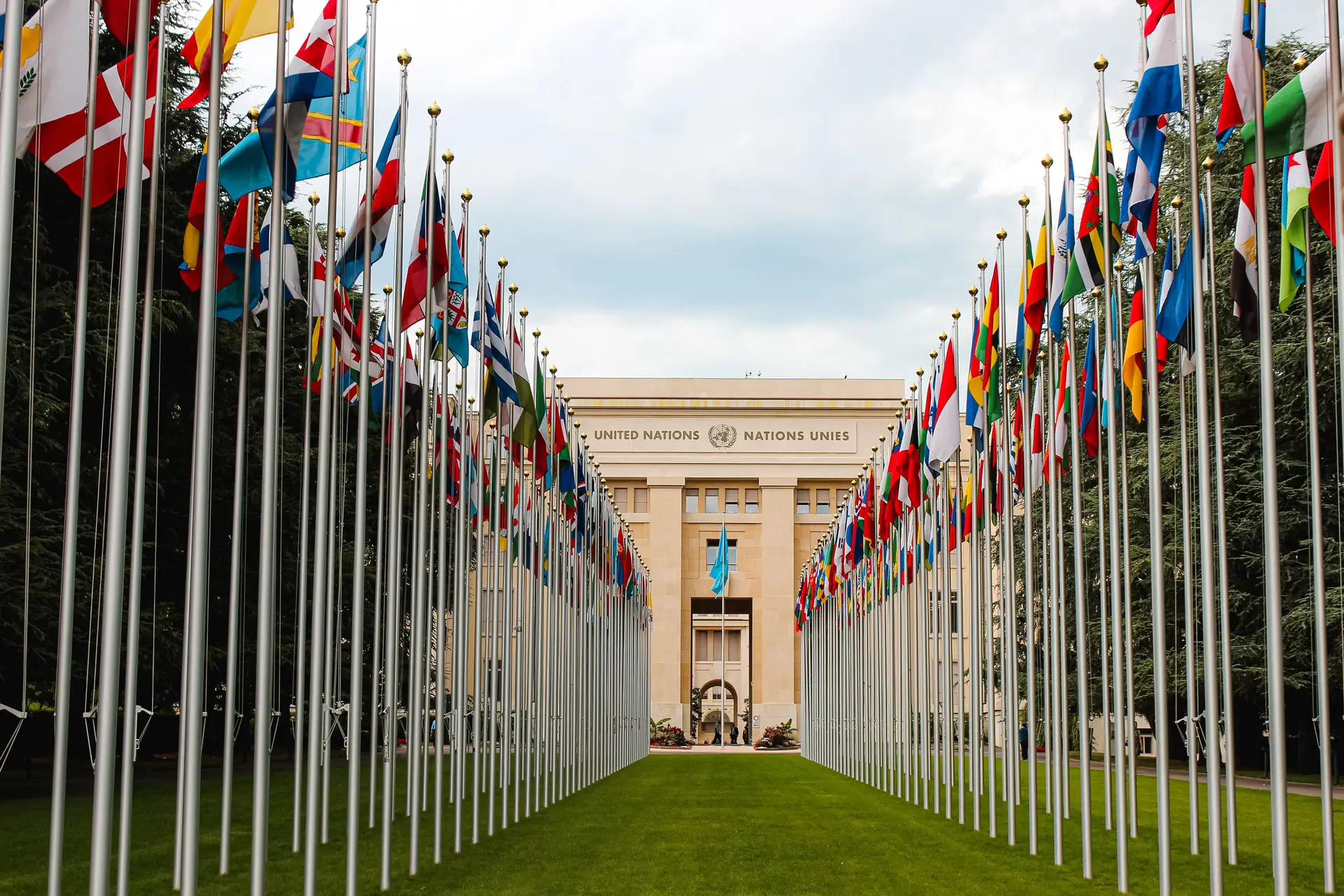
The diplomatic apparatus in New York has once again demonstrated its capacity for standstill. On Friday, the United Nations Security Council failed to reach an agreement on extending the mandate for its peacekeeping mission in Western Sahara, leaving the deployment on the brink of expiration with no clear path forward.
At the center of the impasse was an American-drafted resolution aimed at fundamentally reshaping the terms of engagement. The proposal sought a one-year extension for the United Nations Mission for the Referendum in Western Sahara, known as MINURSO, while stripping the word referendum from its official title. Instead, the text designated Morocco’s autonomy plan—under which the territory would retain internal administrative authority under Moroccan sovereignty—as the sole foundation for future negotiations. American Ambassador Mike Waltz argued before the council that the proposed referendum had been stalled for decades, making a revised approach necessary.
While eleven of the fifteen Security Council members voted in favor of the American initiative, the resolution was killed by a Russian veto. Russian Ambassador Vassily Nebenzia stated that Moscow opposed the draft because it explicitly favored one party over the other. Moscow subsequently introduced its own alternative draft, which aimed to renew MINURSO’s mandate under its existing terms without structural alterations. However, the Russian proposal failed to gather the nine votes required for adoption by the council.
The diplomatic failure leaves the status of the former Spanish colony in complete institutional uncertainty. Established in 1991 to monitor a ceasefire and organize a referendum on self-determination, MINURSO has long been hampered by persistent disagreements between Rabat and the Algeria-backed Polisario Front regarding voter eligibility. Low-level armed conflict resumed in 2020 after the Polisario Front declared an end to the long-standing truce.
Reactions from the parties directly involved reflect the deep political divide. Morocco’s royal palace welcomed the council’s failure to renew the mandate, stating that UN personnel and equipment should now vacate the territory. Conversely, Sidi Omar, the Polisario Front’s representative to the United Nations, expressed approval of the Russian veto, maintaining that the American proposal would have compromised Sahrawi self-determination.
With the mission's mandate expiring on Saturday, the collapse of both resolutions removes international monitoring mechanisms precisely when regional stability remains fragile. Whether the council can produce a last-minute compromise before the deadline remains an open question, though the immediate result is an unprecedented operational vacuum in northwest Africa.
Written by Thorben Thiede thorben.thiede@alpineweekly.com