Oct 31, 11:01 AM
Borrowed Growth and Real Decay: How Bureaucracy is Choking German Industry
While Berlin celebrates debt-fueled economic forecasts, family-owned exporters are sounding the alarm on Europe’s self-inflicted deindustrialization.
The official narrative in Berlin and Brussels insists on economic resilience, pointing to a modest 1.3 percent growth forecast for Germany. Yet behind this neat window dressing lies an economy artificially sustained not by authentic private investment, but by borrowed capital, state subsidies, and special defense funds. For family-owned Mittelstand powerhouses like Winnenden-based Alfred Kärcher SE & Co. KG, the reality on the factory floor tells a vastly different story.
Operating across 87 countries with 170 subsidiaries and 17,000 employees, Kärcher generated nearly 3.5 billion euros in revenue in 2025. Tellingly, 86 percent of that revenue was generated abroad. When an international success story explicitly warns that expanding domestic capacity or increasing headcount in local manufacturing has become economically unfeasible, the diagnosis is stark. Private enterprise is being suffocated by an administrative apparatus that prefers regulatory control over economic dynamism.
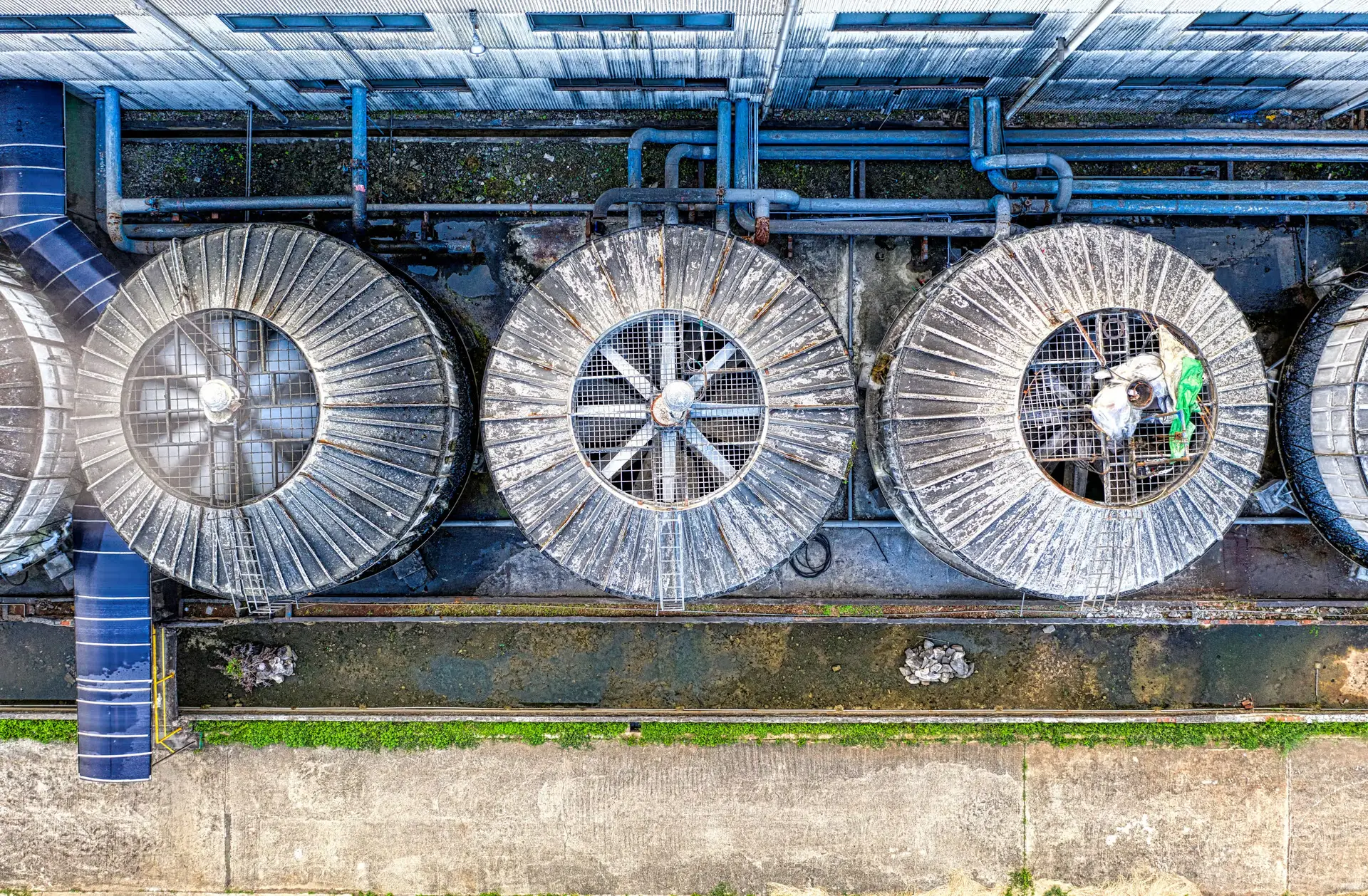
Deindustrialization has ceased to be an abstract theoretical risk. Plant closures and production relocations across key German manufacturing and automotive sectors are already underway. High energy prices, rigid labor market rules, and escalating non-wage labor costs pushing social security contributions well beyond the critical 40 percent mark create a hostile environment for value creation. Meanwhile, European companies face unfair global competition: China actively distorts markets through massive government subsidies and aggressive currency policies, while the United States threatens unexpected tariff barriers.
Rather than addressing these root causes, political institutions offer cosmetic fixes and special funds that accomplish nothing as long as structural decay persists. Without a fundamental shift toward administrative pragmatic partnership, labor flexibility, and a return to personal responsibility, the belief that state intervention can preserve European prosperity remains a dangerous illusion.
Written by Andreas Hofer andreas.hofer@alpineweekly.com