Oct 31, 11:01 AM
Lebanon’s Explosive Compromise
A military court charges Hezbollah operatives while the militia demands its TNT back, testing the state's fragile authority.
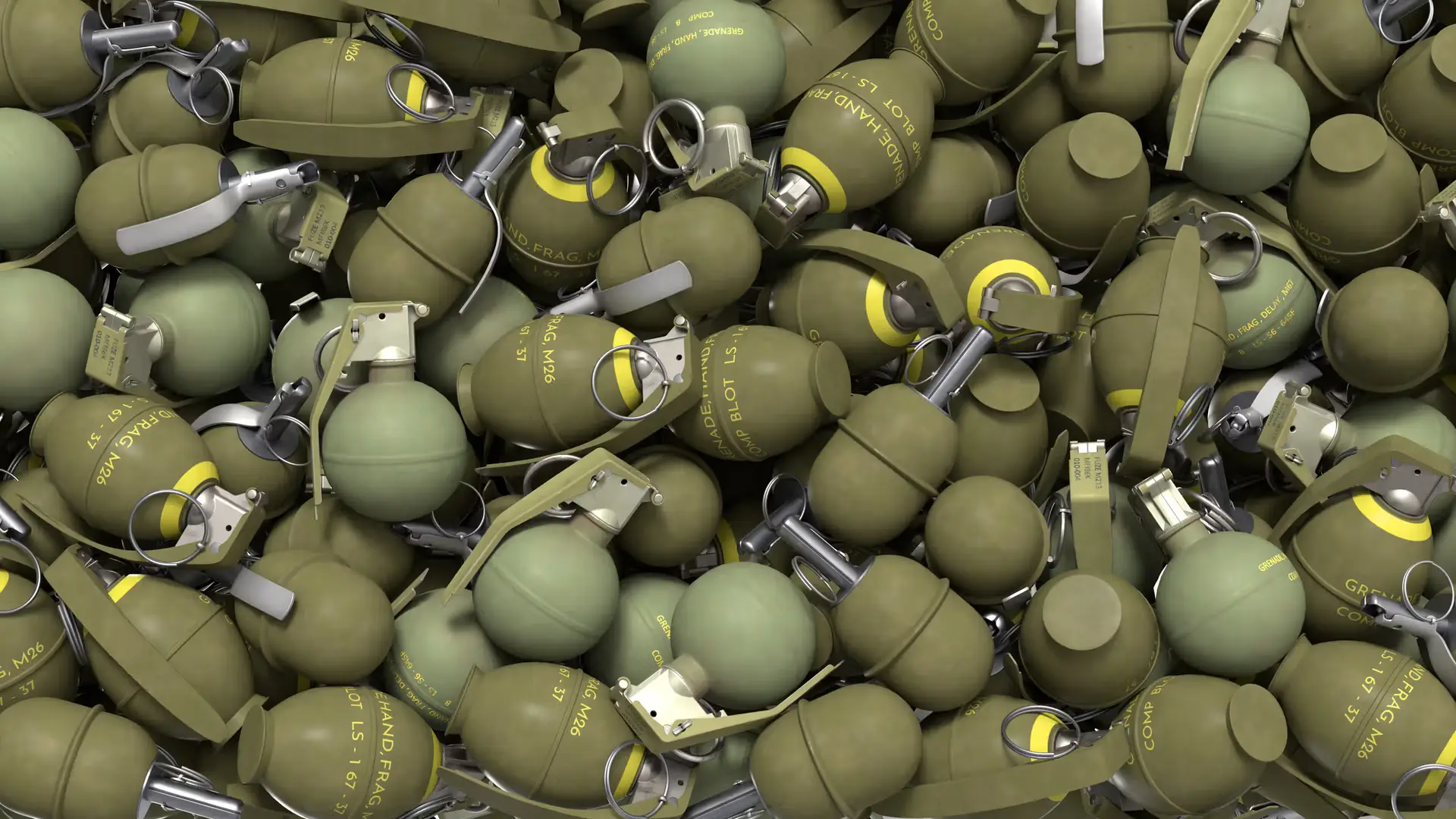
When a sovereign state's security forces stop a truck loaded with nearly eight hundred kilograms of military-grade explosives, the standard protocol usually involves extensive terror investigations and stern press briefings. In Lebanon, the protocol involves the suspected owner—an armed political movement with its own army—calmly demanding that the government hand the TNT back. The recent indictment of thirteen individuals linked to Hezbollah by a Lebanese military court exposes the Republic's ongoing struggle to maintain even the appearance of a monopoly on violence.
The case stems from an interception at the Dahr al-Baydar checkpoint, a strategic transit point along the highway connecting Beirut to the Bekaa Valley. Security personnel uncovered a haul containing 250 kilograms of TNT alongside 250 kilograms of C-4 plastic explosives. Two men were apprehended at the scene, while eleven accomplices remain at large, five of them known to the authorities only by operational pseudonyms. The court has formally charged the group with weapons trafficking, forming illegal associations, and undermining state security.
Hezbollah made no effort to deny ownership of the cargo. Instead, its leadership characterized the judicial proceedings as unjust, insisting the shipment was destined for operations against Israeli forces in the south. Lawmaker Hussein Hajj Hassan publicly defended the operatives, arguing that their activities targeted an external enemy threatening the nation rather than the state itself. Such logic highlights the movement's persistent stance: national security is a private franchise, operated independently of government oversight.
Political opponents in Beirut view these unaccountable munitions stockpiles with deep suspicion. While investigators have established no direct evidence that this specific shipment was intended for internal political target practice, critics of Hezbollah remain acutely aware that weapons meant for regional defense have a habit of influencing domestic politics. The incident coincides with growing political friction over the group's armed status. Prime Minister Nawaf Salam has asserted that official institutions will deal with weapons outside the legal framework with the required firmness, yet turning executive rhetoric into physical enforcement remains an uphill climb.
The diplomatic reality offers little cover for inaction. A framework agreement signed in June between Lebanon and Israel envisioned a phased Israeli retreat from occupied southern territories in exchange for Hezbollah’s complete disarmament and the deployment of the national army. Hezbollah chief Naim Qassem swiftly dismissed that accord as null and void. Meanwhile, Israeli forces continue their campaign of structural demolition and strikes across southern border villages. In a country where armed non-state actors dictate foreign policy while demanding the return of confiscated plastic explosives, the state judicial system faces a structural dilemma that legal indictments alone cannot resolve.
Written by Martina Kirchner martina.kirchner@alpineweekly.com