
Jul 28, 10:01 PM
The Unseen Casualties: Gaza’s Maternity Wards Bear the Brunt of Systemic Collapse
As the healthcare infrastructure crumbles under the weight of war and blockade, a surge in miscarriages reveals the grim biological toll of the conflict.
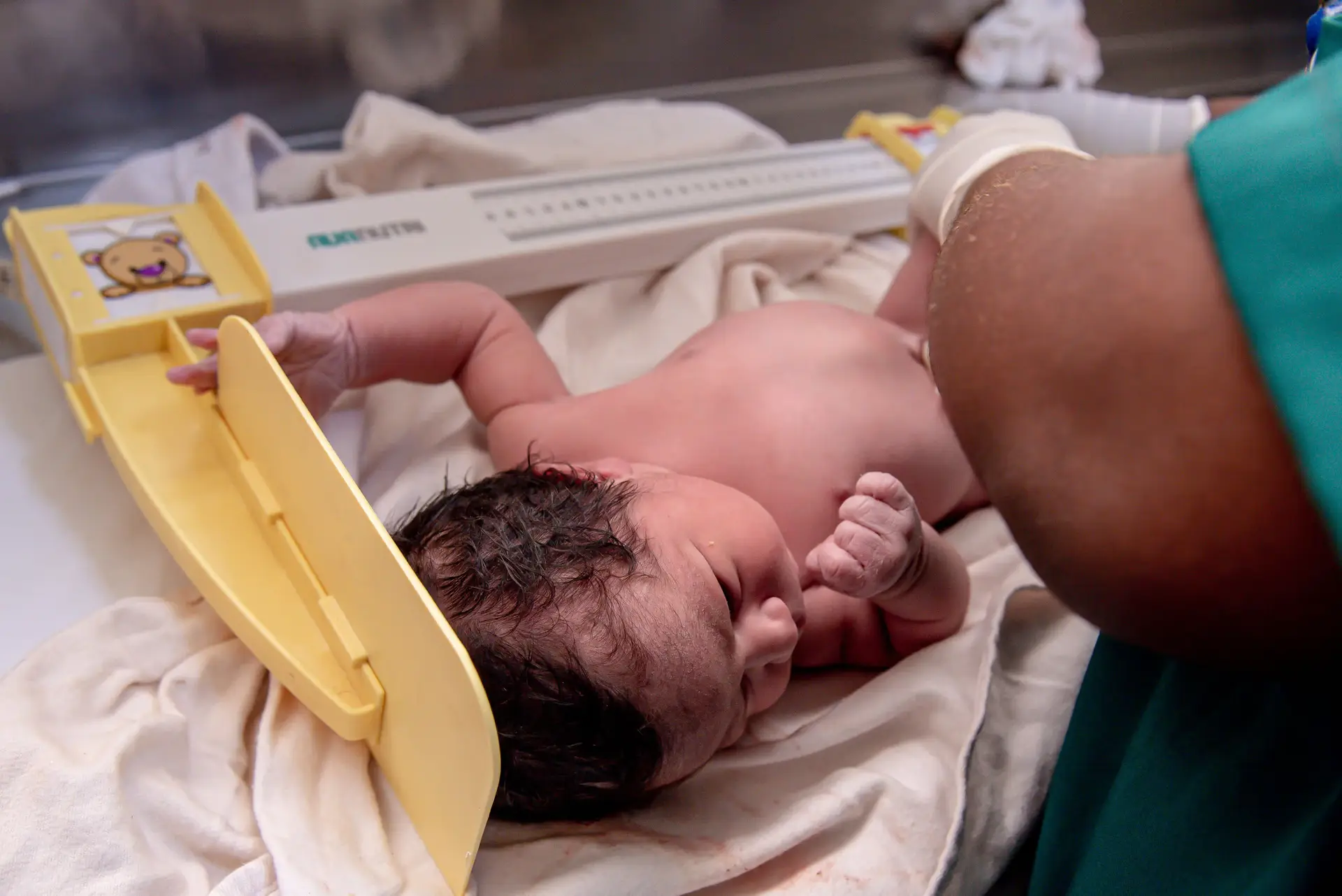
Wars are typically quantified in the crude metrics of territory gained, buildings leveled, and combatants neutralized. Yet the most devastating consequences of the conflict in the Gaza Strip are quietly unfolding far from the frontline, recorded not in military briefings but in the overwhelmed corridors of maternity wards. The collapse of the local healthcare infrastructure, combined with chronic malnutrition and relentless displacement since October 2023, has engineered a silent demographic tragedy: a sharp surge in miscarriages and pregnancy complications.
The institutional data offers a stark accounting of this secondary casualty rate. At al-Awda Hospital in Deir el-Balah, maternity director Yasser Saadeddine estimates that roughly seventy percent of the pregnancy losses treated by his medical staff are a direct consequence of the hostilities and the blockade. This is not merely a matter of stray shrapnel. The medical consensus points to a fatal combination of environmental contamination, non-existent hygiene, and the severe psychological trauma inherent to perpetual displacement.
These aggregate figures mask the grim reality of expectant mothers navigating a collapsed society. Nuha Abu Lebda, repeatedly displaced across the territory, experienced three separate miscarriages. In a desperate bid to carry a child to term, she liquidated her personal assets, selling her gold to procure heparin injections to prevent blood clotting. The medical intervention ultimately failed against the backdrop of malnutrition and contaminated water. Other cases highlight the absolute breakdown of basic medical logistics. Mai Zaqout carried a deceased fetus for an entire month, unable to access the surgical support required for delivery following the death of her husband.
The physical mechanics of modern urban warfare exert a brutal biological toll. Expectant mothers report severe placental separation triggered by the sheer concussive force of nearby explosions. Sara al-Awad suffered massive hemorrhaging during bombardments in the Tal al-Hawa neighborhood of Gaza City, waiting hours for transport to al-Quds Hospital before undergoing an emergency cesarean section. Her son survived, born at a precarious 1.1 kilograms, and was stranded in an incubator for 37 days while his family was forced to flee south.
For many others, such as Nuha Salameh, who lost twins, or Iman Badah, who delivered prematurely while fleeing, the lack of neonatal intensive care guaranteed a fatal outcome. Nidaa Seyam attributed her second miscarriage to acute stress and the inhalation of toxic fumes. Medical professionals readily acknowledge that under functional conditions, many of these premature infants could have been saved.
Diplomats may negotiate political settlements, and reconstruction funds might eventually rebuild shattered hospitals. But the biological scarring inflicted upon a generation of women in Gaza offers a bitter lesson in the true cost of systemic collapse. A cessation of hostilities does not magically restore a functioning medical supply chain, nor does it return the unborn.
Written by Christiane Hofreiter christiane.hofreiter@alpineweekly.com