Nov 13, 9:01 AM
Carbon Footprint of Christmas Trees Depends on Transport and Disposal Methods
Long-term reuse of artificial trees or local recycling of natural firs determine overall environmental impact
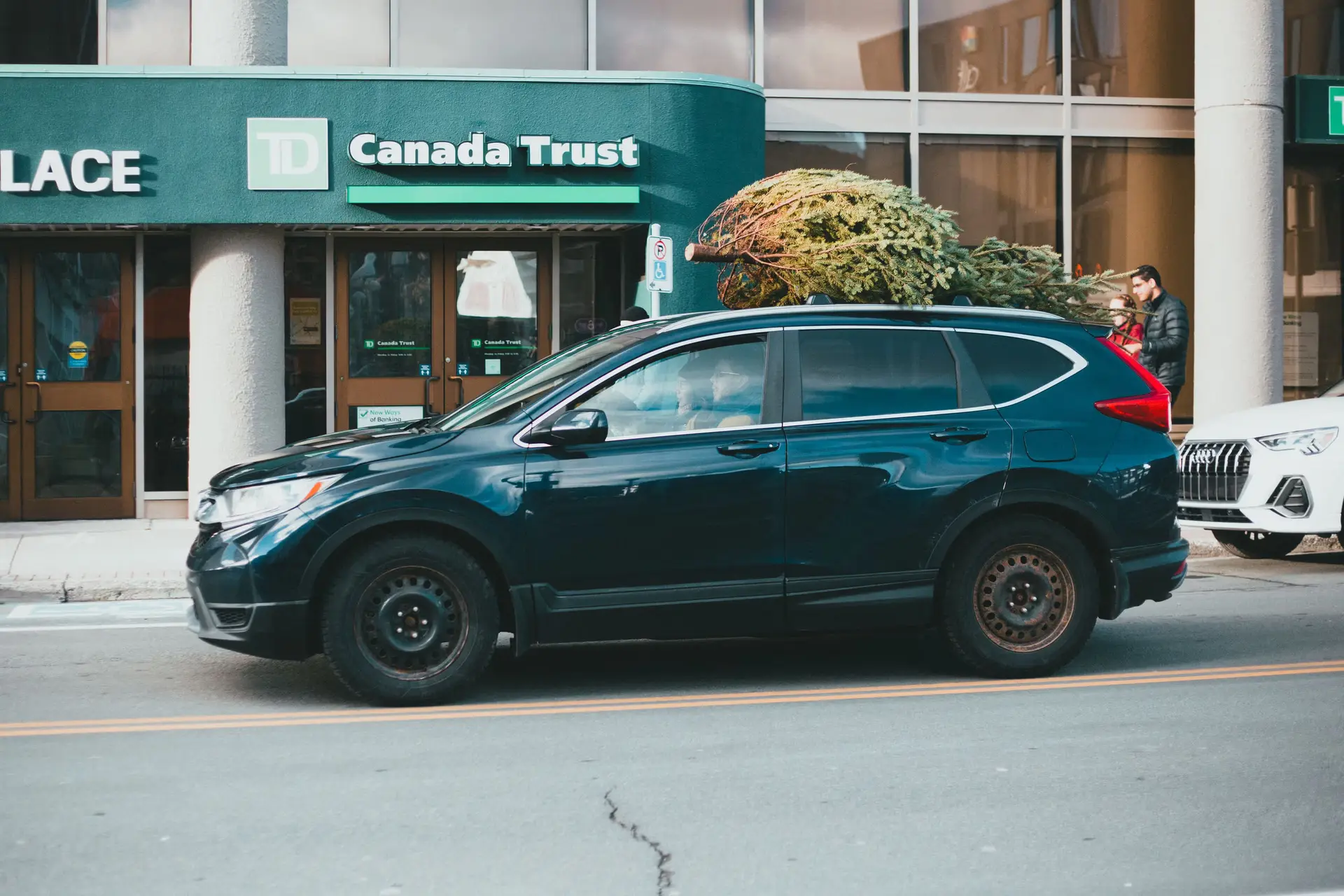
As the holiday season approaches, environmental calculations regarding Christmas trees depend heavily on transport distance, reuse cycles, and disposal methods. Data from the climate advisory organisation Carbon Trust indicates that an artificial tree must be reused for between 7 and 20 years to match the lower carbon footprint of a natural tree.
Despite this requirement, research conducted in 2017 showed that 14 percent of artificial tree buyers in the United Kingdom planned to dispose of their plastic trees after a single season. Synthetic models that end up in landfills contribute to long-term plastic pollution, with the marine conservation group Ocean Conservancy reporting that an artificial tree was recovered on a beach during its 2018 coastal cleanup. Emi Murphy, a tree campaigner at Friends of the Earth, stated that consumers who already own artificial trees should continue using them for as long as possible, recommending that those seeking replacements look for second-hand items through charity shops or online platforms.
For natural cut trees, environmental impact is heavily influenced by geographical origin and cultivation standards. Large numbers of firs are transported across Europe from commercial production hubs located in Denmark and Germany. According to findings by the forestry charity Grown in Britain, imported trees valued at 3.3 million euros were sold to consumers in the United Kingdom in 2017 alone. Industry guidance recommends selecting locally sourced trees carrying Forest Stewardship Council certification to limit transport emissions and support sustainable forestry practices.
Alternative models focused on living potted trees have gained traction among urban consumers. Commercial providers, such as London Christmas Tree Rental, deliver potted firs in December and retrieve them in January for ongoing maintenance at farms. Catherine Loveless, co-founder of the enterprise alongside Jonathan Mearns, explained that the service was established after evaluating the volume of cut trees entering municipal waste streams. Living trees are returned to nursery fields to grow between holiday seasons, allowing customers to re-rent the same tree in subsequent years.
The final emissions balance depends on post-holiday handling. A standard two-metre natural tree decaying in a landfill emits approximately 16 kilogrammes of carbon dioxide alongside methane, a greenhouse gas with up to 30 times the global warming potential of carbon dioxide over a 100-year period. The Carbon Trust calculates that burning or chipping a natural tree reduces its carbon footprint by up to 80 percent, lowering total emissions to 3.5 kilogrammes of carbon dioxide. Municipalities increasingly operate local collection programs to chip discarded trees for park pathways or public composting.
Written by Thorben Thiede thorben.thiede@alpineweekly.com