
Nov 13, 9:01 AM
Ethiopian Forces Take Mekelle as TPLF Claims Strategic Retreat
Federal authorities declare major military operations complete in Tigray while localized fighting and regional security concerns persist.
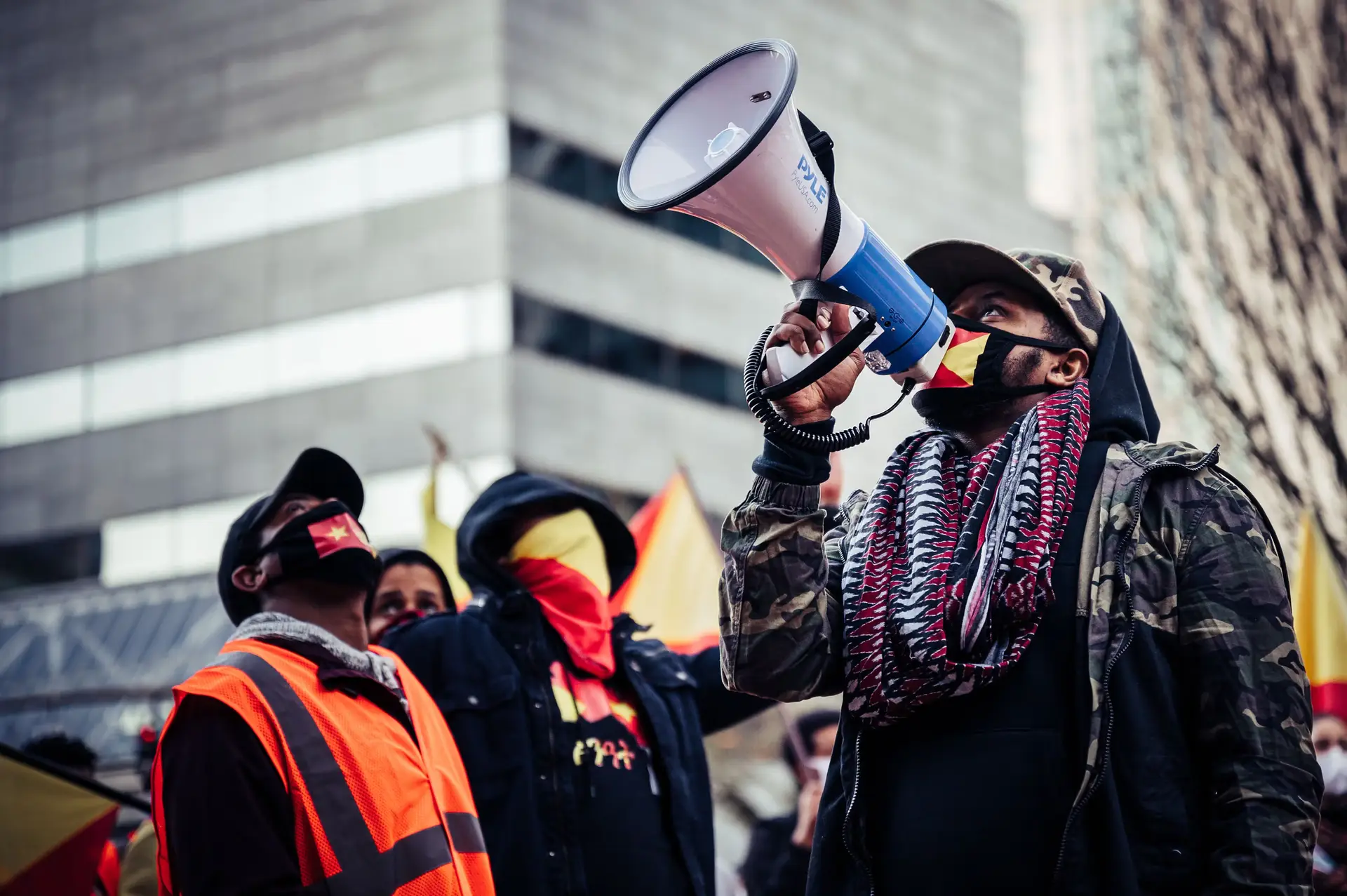
Ethiopian federal forces have secured control of Mekelle and other key urban centers in Tigray following a resurgence of fighting with the Tigray People's Liberation Front (TPLF) that began in late September. Government officials in Addis Ababa declared the active combat phase largely complete, while TPLF representatives stated that their forces had executed a planned tactical retreat from the region's main towns to prepare for subsequent operations.
The advance of the Ethiopian National Defence Force (ENDF) into Mekelle came less than two weeks after hostilities resumed, temporarily disrupting communications across the northern region. Although phone and internet services have since been restored, residents and eyewitnesses report that clashes involving heavy artillery and drone strikes continue in central, northern, and north-western Tigray. Heavy fighting has been reported near the border town of Sheraro, alongside active military checkpoints near Yechila.
Getachew Reda, a senior adviser to Ethiopian Prime Minister Abiy Ahmed, stated that major military operations in Tigray had concluded and that efforts would focus on stabilizing the region. Conversely, TPLF spokesperson Mikael Asgedom denied that the group had suffered a definitive defeat, asserting that fighters intentionally allowed federal forces to advance deeper into Tigray to confront them on more favorable terrain. He added that TPLF units were sustaining operations by capturing weaponry from federal forces.
Security analysts remain divided on the long-term military outlook for the region. Cameron Hudson, a Washington-based African security analyst, said the TPLF's operational capability has been significantly degraded by leadership infighting, defections, and a lack of advanced military technology compared to federal forces. In contrast, US-based commentator Yared Tibebu pointed to a political coalition formed in September, the Alliance for Survival, which combines TPLF leadership with the Amhara Fano militia, estimated to number between 70,000 and 80,000 fighters.
The security situation is further complicated by diplomatic dynamics involving neighboring Eritrea. According to Ethiopian military sources, members of the TPLF leadership who were briefly based in Eritrea were asked to leave in early November following Eritrean President Isaias Afwerki's return from a visit to Russia. Analysts note that Eritrea appears cautious about being drawn directly into a prolonged regional conflict, particularly as federal forces continue operations to secure the border areas.
For the civilian population in Mekelle and surrounding areas, the return of federal troops has coincided with severe economic disruption alongside ongoing insecurity. Local business owners report that daily commercial activity remains crippled, with basic survival needs taking precedence over routine commerce. Abraha Hailezgi, a scholar at Mekelle University, stated that lasting peace will depend on whether federal authorities address Tigray's long-standing concerns regarding political and economic marginalization.
Written by Sandy van Dongen sandy.vandongen@alpineweekly.com