Nov 13, 9:01 AM
Nidwalden to Vote on Constitutional Removal of Obsolete School Municipalities
The Swiss canton votes on November 29 to align its constitution with the complete phase-out of independent school boards across its eleven municipalities.
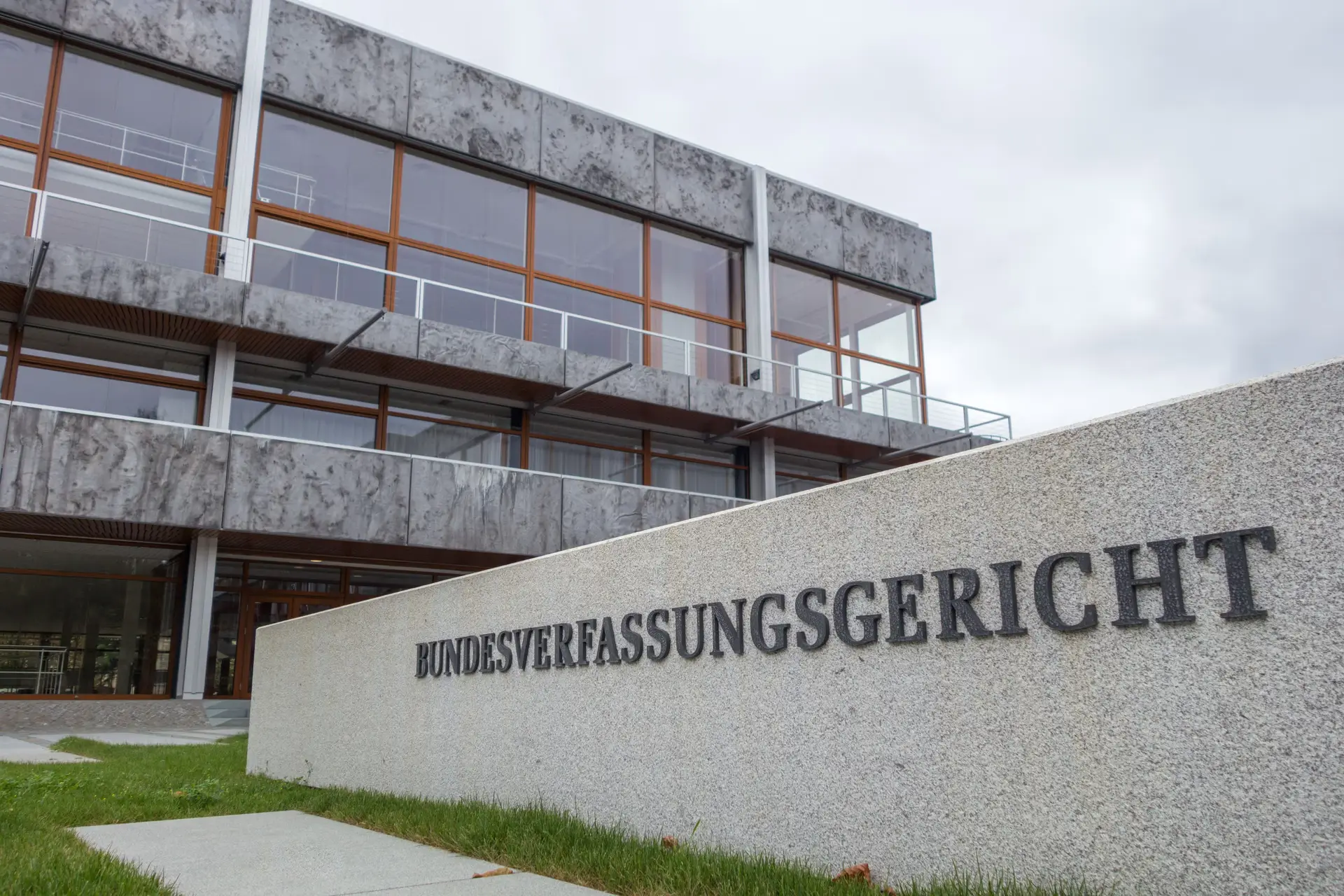
Voters in the central Swiss canton of Nidwalden will decide on November 29 on a constitutional amendment to remove references to independent school municipalities from the cantonal constitution. Although all eleven municipalities in the canton have already dissolved these autonomous educational bodies, the provisions remain in the legal text.
Historically, school municipalities in Nidwalden operated as separate corporate entities with their own democratic structures, including elected school boards that oversaw educational policies, hired teaching staff, and administered school budgets. The parallel existence of political municipalities and school municipalities led to administrative overlaps and increased organizational demands on local administrations.
The municipal reform process began in 2010 when Ennetmoos became the first municipality in Nidwalden to abolish its independent school municipality. The transition reached completion on January 1, 2025, after Oberdorf and Stansstad incorporated their school management into their primary municipal administrations, leaving no active school municipalities in the canton.
According to Cantonal Education Director Armin Odermatt, consolidating these responsibilities simplifies local administration by requiring only one municipal meeting and one budget for both civic and educational matters. Odermatt stated that initial public concerns about municipal councils gaining excessive authority over schools have largely subsided over time.
The proposed constitutional update has no financial or operational consequences for schools, municipalities, or the canton, beyond removing the option to reintroduce separate school municipalities. The measure enters the referendum with broad political consensus, having received positive feedback during consultation, unanimous approval from the Landrat, and a recommendation for acceptance from the cantonal government.
Written by Sandy van Dongen sandy.vandongen@alpineweekly.com