Nov 13, 7:02 AM
European Health Authorities Prepare Healthcare Infrastructure for Military Conflicts and Biosecurity Risks
NATO officials and EU health agencies are expanding trauma capacity, biosecurity measures, and medical supply chains.
European defense and public health authorities are expanding healthcare capacity and biosecurity measures to prepare for potential mass-casualty events and military conflicts across the continent. Brigadier General Petter Iversen, Norway’s Surgeon General and chair of NATO’s Committee of the Chiefs of Military Medical Services, stated that healthcare resilience has become a core element of national security.
Artificial intelligence and synthetic biology present growing biosecurity risks alongside medical advances, according to European emergency officials. Laurent Muschel, deputy head of the European Union's Health Emergency Preparedness and Response Authority (HERA), noted that AI could enable actors to engineer novel viruses or biological weapons. HERA is currently developing broad-spectrum antivirals and monoclonal antibodies to provide immediate defense against chemical, biological, radiological, and nuclear threats before specific targeted treatments can be identified.
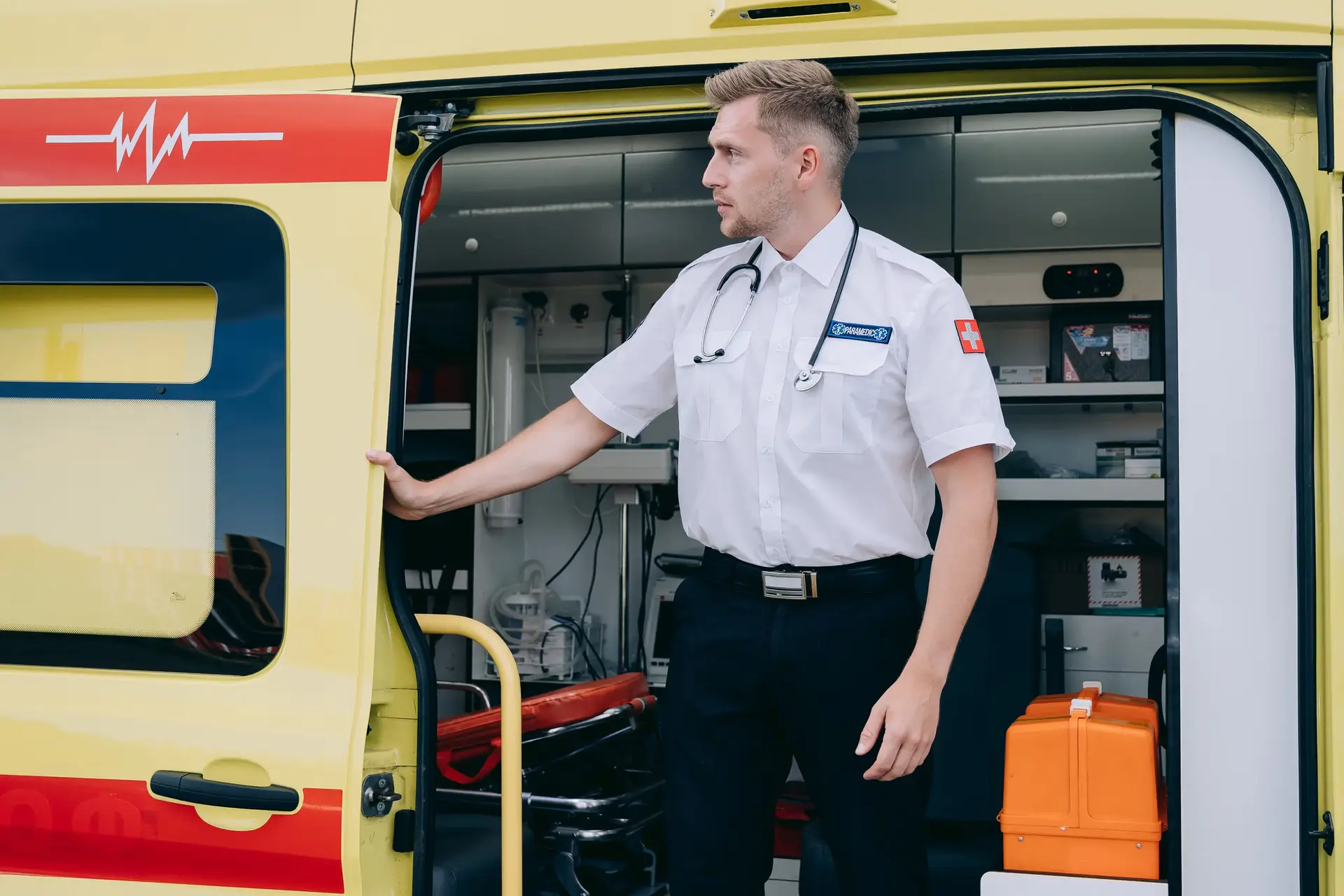
Preparedness levels vary across the continent, with nations along NATO’s eastern flank taking earlier steps to adjust their infrastructure. Countries including Germany, Norway, and the Baltic states are working to increase hospital bed capacity and adapt medical training for emergency scenarios. Iversen estimated that European readiness is roughly halfway toward its targets, emphasizing that medical personnel must train to shift from specialized care to broad trauma response during major crises.
Supply chain vulnerabilities also present major challenges to long-term health system resilience. Authorities are prioritizing a combination of strategic stockpiling, localized warehousing, and an expanded industrial base to withstand initial supply shocks. Iversen stated that healthcare systems must build logistics capable of enduring consecutive, overlapping emergency events without collapsing.
Lessons drawn from the war in Ukraine have directly influenced these European planning efforts. According to Jarno Habicht, former head of the World Health Organization’s office in Ukraine, the conflict has highlighted an acute demand for trauma care, mental health support, and rehabilitation services for thousands of amputees. Russian authorities have not commented on European healthcare preparedness planning. Habicht emphasized that retaining doctors, nurses, and technical staff remains the single most critical factor for operational continuity during military crises.
Written by Freya Stensrud freya.stensrud@alpineweekly.com