Oct 29, 9:01 PM
When the Establishment Admits Defeat: Sigmar Gabriel and the Youth Revolt
The former SPD leader's concession on youth anger exposes the price of institutional failure and political posturing in Germany.
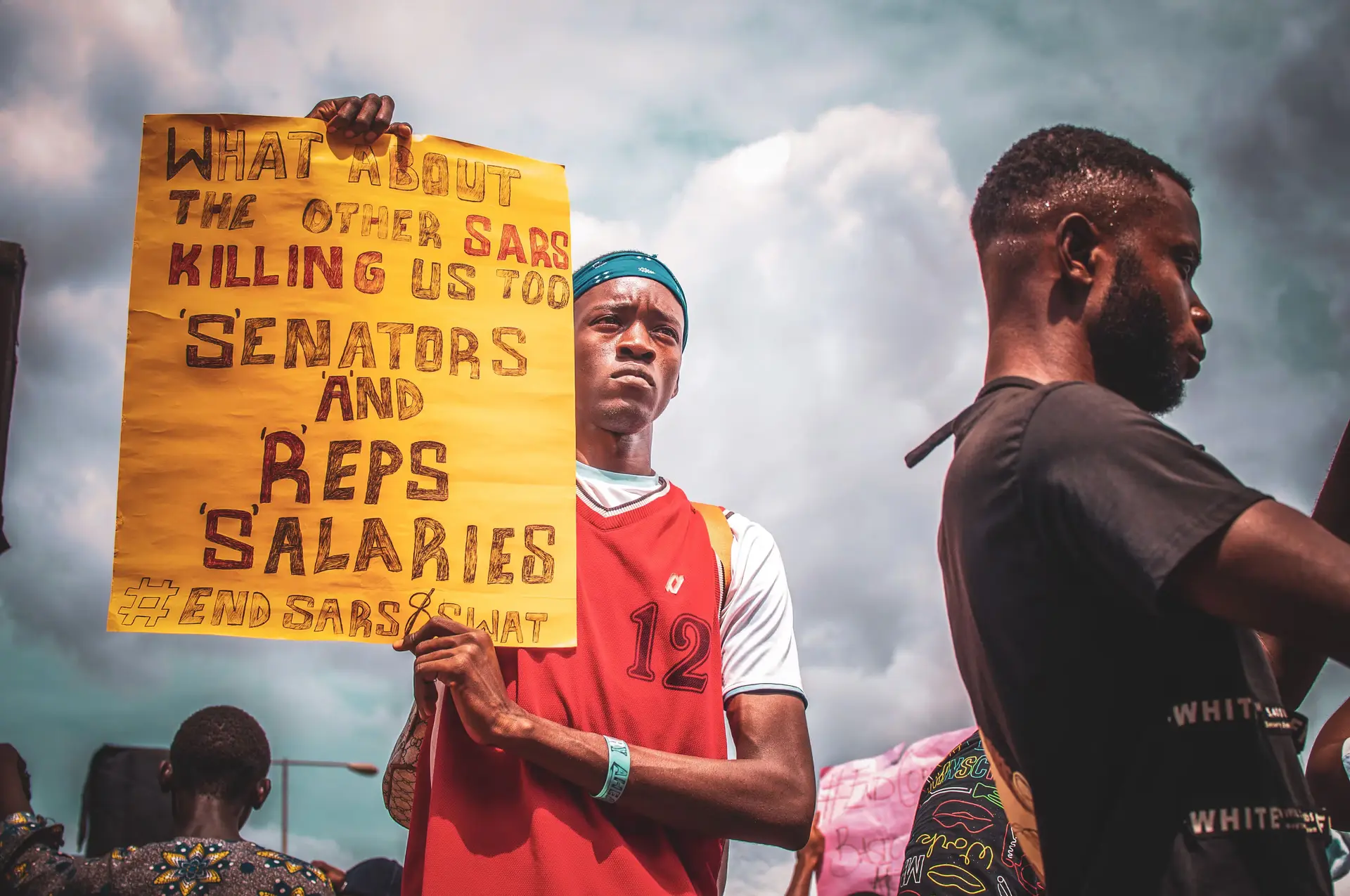
When long-standing pillars of the political establishment begin acknowledging that the system is broken, it usually means the underlying decay can no longer be disguised. Former German Foreign Minister and SPD chairman Sigmar Gabriel recently released a video on X, offering a surprisingly frank assessment of the youth protests erupting across Europe. Rather than condemning the unrest, the veteran politician expressed clear understanding for the anger driving young people into the streets.
Gabriel’s diagnosis takes aim directly at the governing class. In his view, youth across the continent feel entirely abandoned by self-absorbed elites who dedicate their attention to almost everything except the needs of the next generation. The grievances he listed describe a society suffering from institutional neglect: sky-rocketing living costs, an increasingly unpayable housing market, crumbling educational infrastructure, chronic teacher shortages, and cancelled classes. Underneath these concrete failures lies a deeper psychological burden—a profound uncertainty about what kind of future awaits them.
The economic reality in Germany reflects this broader malaise. As Gabriel observed, there is a growing perception that the older generation is effectively devouring the economic capital required for tomorrow's prosperity. This institutional failure has direct political consequences. Pointing to recent election outcomes, Gabriel noted that young voters have vented their frustration by turning their backs on established parties and throwing their weight behind the political fringes, particularly the AfD.
The former SPD leader placed the blame squarely on the shoulders of mainstream politicians. Ignoring years of declining results in international education studies, failing to invest in basic infrastructure, and ignoring the housing shortage inevitably yields political extremism. Citing youth researcher Klaus Hurrelmann, who warned of a calm before the storm, Gabriel suggested that the electoral shifts seen so far are merely a foretaste of deeper volatility.
In a direct challenge to his party's strategy, Gabriel argued that Germany requires practical fire extinguishers rather than ideological firewalls to deal with political radicalization. Demolishing the sacred consensus of the political class, he called for real solutions instead of political rhetoric. Identifying himself as a member of the older generation, Gabriel declared that he refuses to accept this state of affairs, openly encouraging robust turnout at planned weekend demonstrations in major cities across the country.
Written by Freya Stensrud freya.stensrud@alpineweekly.com