Oct 29, 9:01 PM
Robots on the Wire: Germany and Ukraine Bet on Automated Warfare
Berlin and Kyiv deepen defence technology ties through joint robotic platforms and artificial intelligence ventures.
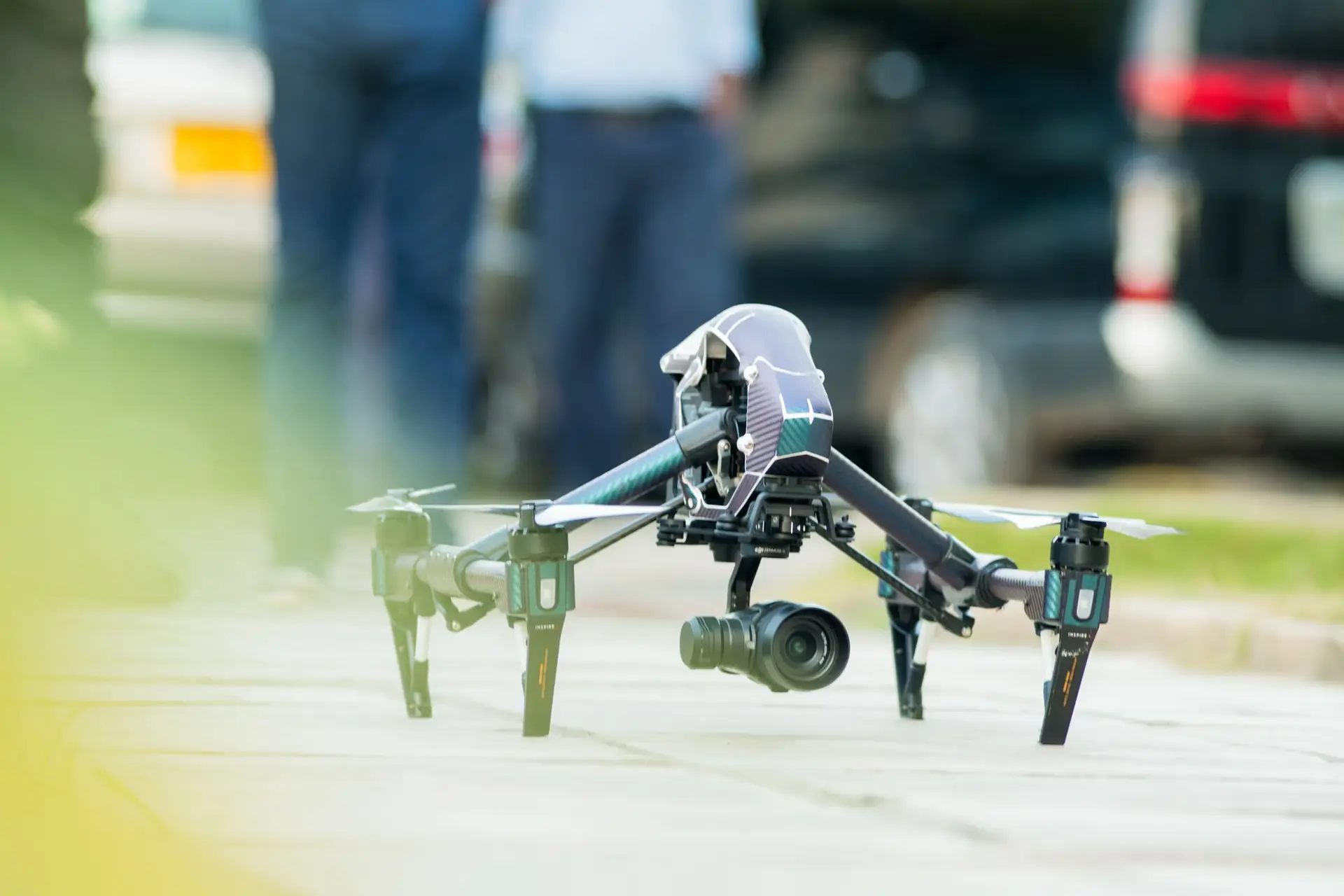
Politicians love a photo opportunity with cutting-edge technology, particularly when it promises to outsource frontline danger to hardware. During German Chancellor Friedrich Merz’s visit to Kyiv to meet Ukrainian President Volodymyr Zelenskyy, the political backing for a new joint defence project was duly sealed. The result of this industrial pairing is GEREON, an unmanned ground vehicle developed by German firm ARX Robotics and fitted with a remote-controlled weapon station from Ukrainian manufacturer ROBONEERS.
The partnership aims to deliver the first combat-ready units by the end of 2026. Designed as a modular platform, GEREON handles reconnaissance, logistics, and drone countermeasures in its unarmed configuration. With ROBONEERS’ SABER module mounted on top, the vehicle transforms into a remote firing post capable of mounting everything from assault rifles to automatic grenade launchers. According to ARX Robotics, its platform already constitutes the largest fleet of Western-manufactured unmanned ground vehicles active in Ukraine.
For European industry, the venture represents an attempt to bridge raw operational experience with industrial output. ROBONEERS reports that its robotic hardware has seen action in more than 15,000 frontline missions since 2014. To build on this, the two companies have established a joint venture to produce a separate ground platform, the Rys Pro, with a target output exceeding 1,000 units in its initial year across manufacturing sites in Germany and Ukraine.
The rush toward automated defense systems is echoed in Berlin’s political schedule. German Defence Minister Boris Pistorius is slated to visit the Munich headquarters of Helsing, an AI defence startup founded in 2021. Helsing specializes in integrating artificial intelligence into existing military platforms, ranging from naval submarines to fighter jets and main battle tanks.
Whether these high-tech systems can compensate for broader structural shortfalls remains an open question. Yet for defence contractors and politicians alike, the pivot toward software-defined warfare offers an appealing narrative of modernized military capability.
Written by Martina Kirchner martina.kirchner@alpineweekly.com