Oct 29, 9:02 PM
Astana’s Grand Blueprint: Nuclear Power and Overland Trade
President Tokayev promises atomic energy and Eurasian supply chains while calling out his own government's administrative absurdities.
Astana has never been known for understated state addresses, and Kassym-Jomart Tokayev’s latest speech was no exception. Facing global instability, the Kazakh president presented a modernization plan that combines heavy industrial expansion with nuclear energy and a bid to transform the country into Eurasia’s primary land bridge.
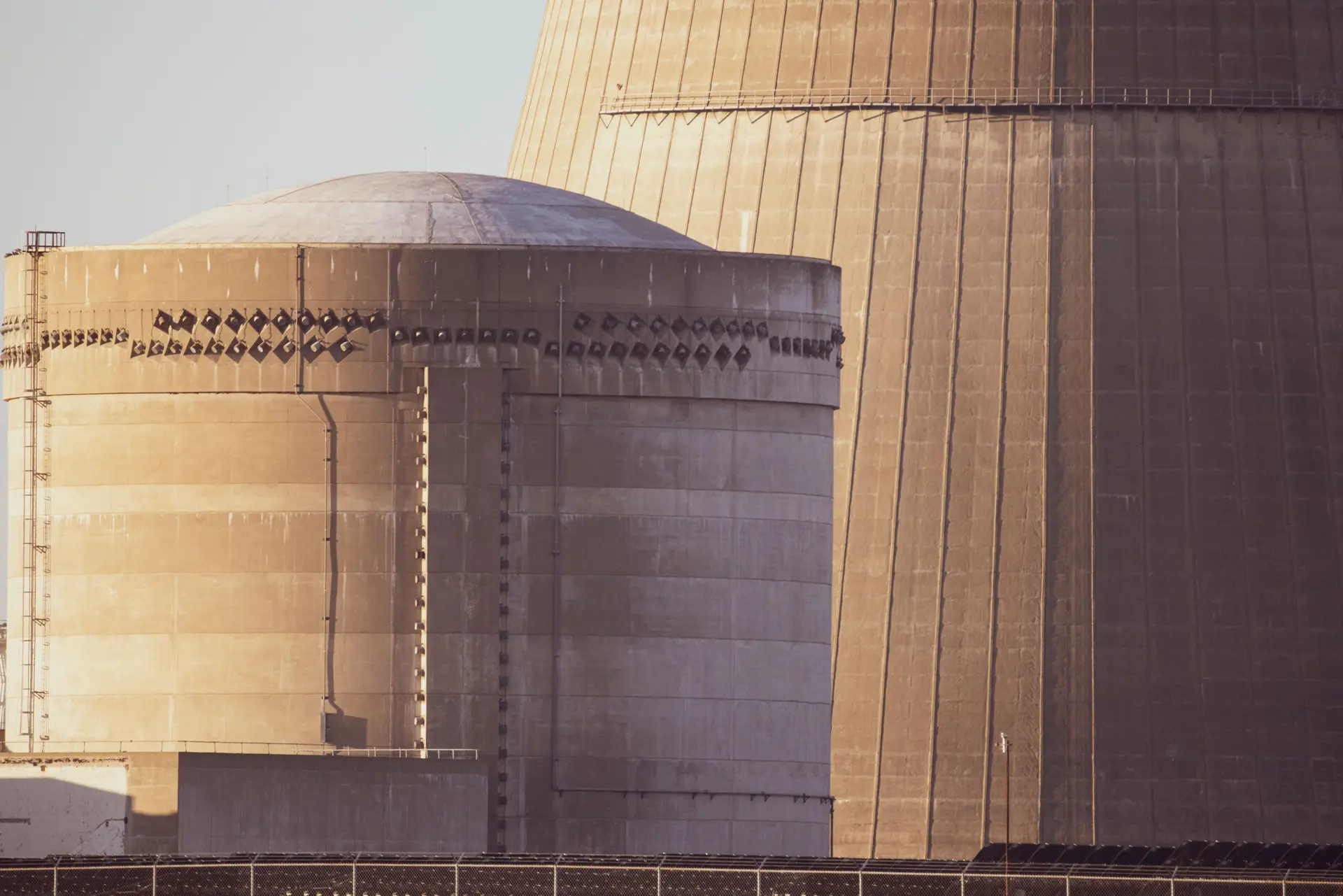
To power artificial intelligence and digitalize the economy, Kazakhstan requires a substantial energy surplus. Tokayev’s strategy relies on building two nuclear power plants, aiming to start construction at the Balkhash site next year and secure agreements for a second facility at Moyynkum, alongside establishing a long-term national uranium reserve. Yet this grand strategy contrasts sharply with existing management failures. The president publicly berated his government for a persistent seasonal habit: buying expensive electricity from neighbors in winter, only to sell power back at bargain rates in summer.
Beyond energy, shifting maritime trade risks have created a distinct opportunity for overland routes. Tokayev emphasized that Kazakhstan must move from a passive transit nation to an active manager of Eurasian cargo flows. The Aral-Caspian Highway project aims to shorten the Trans-Caspian route by 1,000 kilometers, while the Bakty–Ayagoz railway line will open a third rail crossing with China next year, boosting freight capacity by 20 million tonnes.
The macroeconomic backdrop provides the state with considerable leverage. IMF estimates place GDP above €350 billion, while combined foreign reserves and National Fund assets exceed €110 billion. Capitalizing on this, Tokayev designated the coming year as the Year of Nationwide Construction. The National Fund is set to allocate nearly €12.8 billion for infrastructure projects by 2029, targeting roads, hospitals, and schools.
Whether state-directed capital infusions and ambitious mega-projects can overcome the structural inertia and administrative flaws Tokayev himself criticized remains the crucial open question for Astana. Throwing billions at concrete and reactors is simple enough for a central administration, but eradicating decades of systemic inefficiency will require far more than executive decree.
Written by Freya Stensrud freya.stensrud@alpineweekly.com