Oct 25, 7:01 PM
When Satire Outsmarts the State
The release of two youth activists in Delhi highlights the futility of using heavy-handed police tactics against political dissent.
When a governing party starts deploying the full weight of the security state against activists who deliberately named their movement after an indestructible household pest, it reveals a troubling lack of political poise. A special magistrate in Delhi has now ordered the release of Saurav Das and Ashutosh Ranka, two prominent figures of the Cockroach Janta Party, following a seven-day stay in Tihar jail. Police prosecutors had vigorously argued to extend their detention, but were ultimately obliged to settle for a signed bond pledging no further breach of the peace.
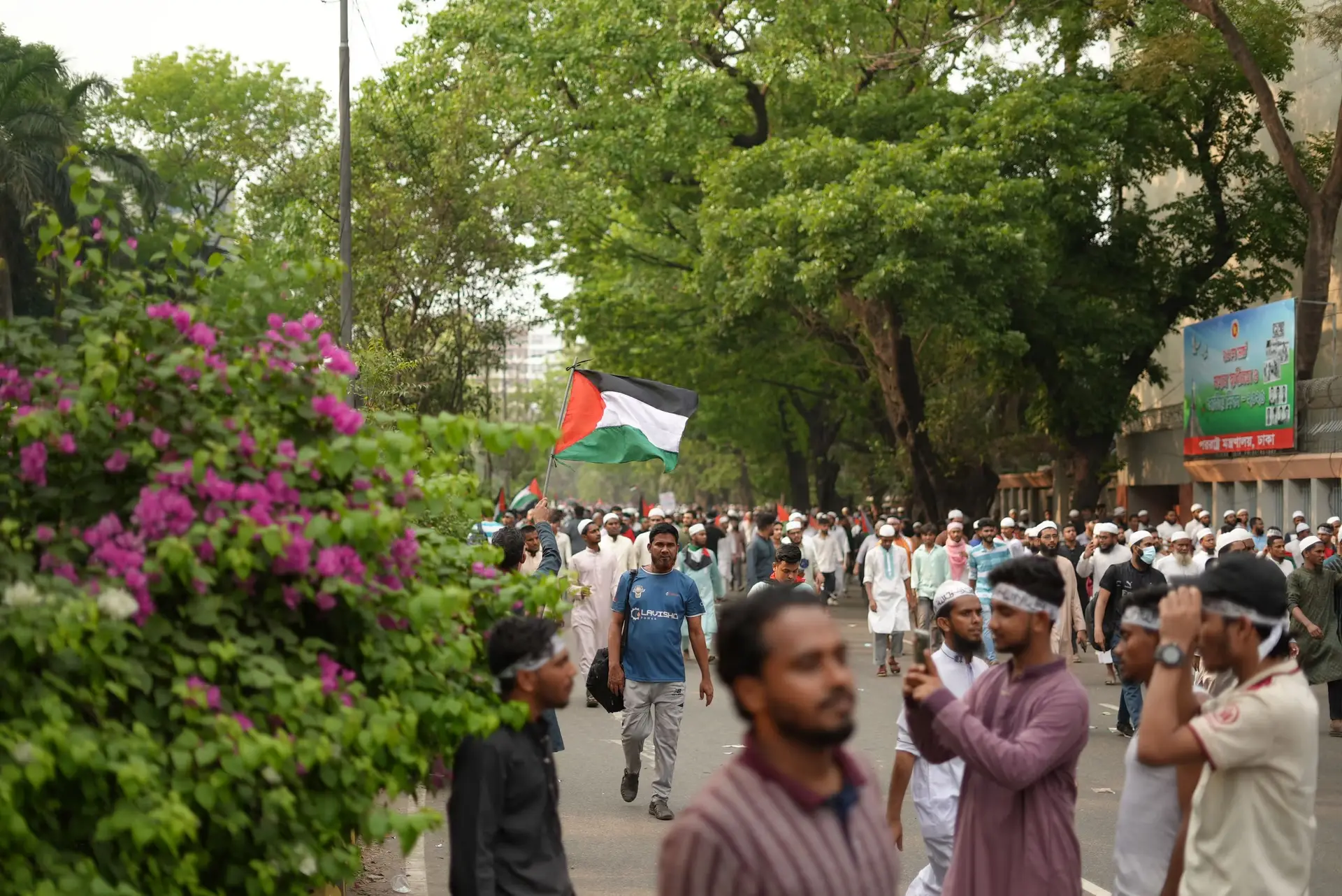
The official grounds for their arrest were as absurd as they were telling. Das and Ranka were taken into custody after jumping police barricades in central Delhi to display an Indian flag in an area cordoned off by authorities. Charged with trespass and violating the peace, the pair became the latest targets of a sweeping police effort designed to choke off youth-led demonstrations that have paralyzed parts of the capital.
At the heart of the unrest lies a controversy over basic democratic mechanics. The movement, alongside opposition alliances and student organisations, is demanding the resignation of Chief Election Commissioner Gyanesh Kumar. The magistrate's ruling comes in the wake of a massive voter register revision that saw more than 130 million names erased from the electoral rolls—a purge critics argue was designed to aid Narendra Modi’s ruling Bharatiya Janata Party. The BJP maintains that no such manipulation occurred, but the sheer scale of the deletions has galvanized widespread public anger.
What the government seems to underestimate is the adaptability of its opponents. The Cockroach Janta Party originated earlier this year as an online satirical project. Yet, in an environment where state authority acts with unyielding rigor, absurdism can rapidly solidify into a serious political threat. During the summer, Cockroach-led protests successfully pressured Modi’s education minister into resigning.
The recent wave of arrests—which included the brief detention of movement founder Abhijeet Dipke—suggests an administration relying on blunt intimidation rather than political persuasion. Thousands of young people have been detained across Delhi, yet Dipke has already indicated that the group intends to re-strategise and press forward. Using prison cells to handle civic dissent over electoral transparency rarely delivers lasting quiet. Instead, it merely convinces an increasingly skeptical public that the state has something to hide.
Written by Thorben Thiede thorben.thiede@alpineweekly.com