
Oct 25, 7:01 PM
Washington's Beef Paradox: Tariff Pauses and Subsidies in Cattle Country
Tariff cuts aimed at lowering grocery bills destabilize US livestock markets and trigger billions in compensatory farm aid.
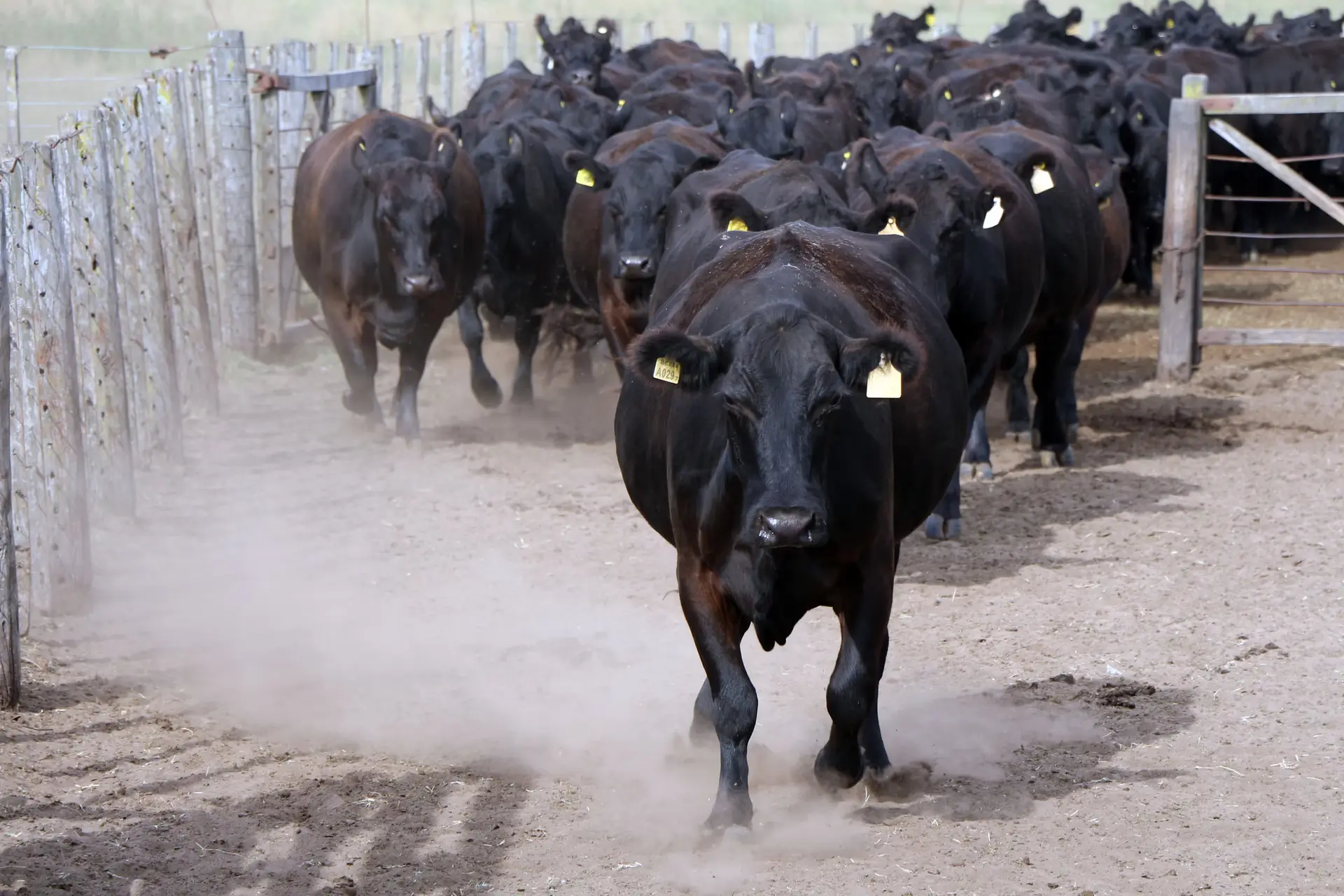
When Washington decides to engineer lower grocery prices at the checkout counter, someone else invariably picks up the tab. The White House recently demonstrated this anew after declaring a 90-day pause on certain foreign beef tariffs. Intended as a quick fix for consumer inflation, the sudden influx of cheaper lean beef from Brazil, Argentina, and Paraguay sent domestic cattle auction prices tumbling precisely as American livestock producers prepared to take their herds to market.
For an industry already grappling with the smallest national cattle herd since 1951, the timing could hardly have been worse. Agricultural economists point out that strong market signals were needed for domestic ranchers to invest and expand production. Instead, cheaper foreign imports distorted those incentives. As David Anderson, an agricultural economist at Texas A&M University, observed, artificially easing import barriers directly undermines the market signals required for domestic producers to rebuild their herds.
Major industry groups, including the National Cattlemen’s Beef Association, the United States Cattlemen’s Association, and the Farm Bureau, voiced prompt opposition to the tariff relief. Yet the administration’s economic strategy remains characteristically contradictory: alter trade policy to drive down market prices, then cushion the blow with taxpayer funds. Just weeks after the tariff announcement, the administration rolled out an eight-billion-dollar farm relief package in Kansas to soothe rural friction.
Whether this combination of trade volatility and federal handouts will alter the balance of power in upcoming midterm elections is doubtful. Ranchers and farmers comprise a shrinking percentage of the rural electorate. While tight Senate and House races in states like Kansas, Montana, Iowa, Texas, and Colorado place livestock country in the political spotlight, local producers like Kansas rancher Chad Basinger suggest that few voters are likely to abandon their traditional party loyalties over short-term market swings alone.
The broader issue facing American ranching is less about 90-day policy shifts and more about long-term structural margin pressure. Record-high cattle revenues this year were largely swallowed by high interest rates, drought-driven feed costs, and elevated fuel prices linked to conflict in the Middle East. Compounded by outside investors driving up land prices, the entry barrier for the next generation of cattle ranchers grows steeper by the month. A quick trade intervention may offer brief respite at the supermarket counter, but it leaves domestic agriculture facing even deeper uncertainty.
Written by Christiane Hofreiter christiane.hofreiter@alpineweekly.com