
Oct 25, 7:02 PM
Prague Cuts the Cord: The End of Mandatory Broadcasting Fees in Czechia
A parliamentary vote to abolish household fees and trim media budgets has triggered predictable panic among European media lobbies.
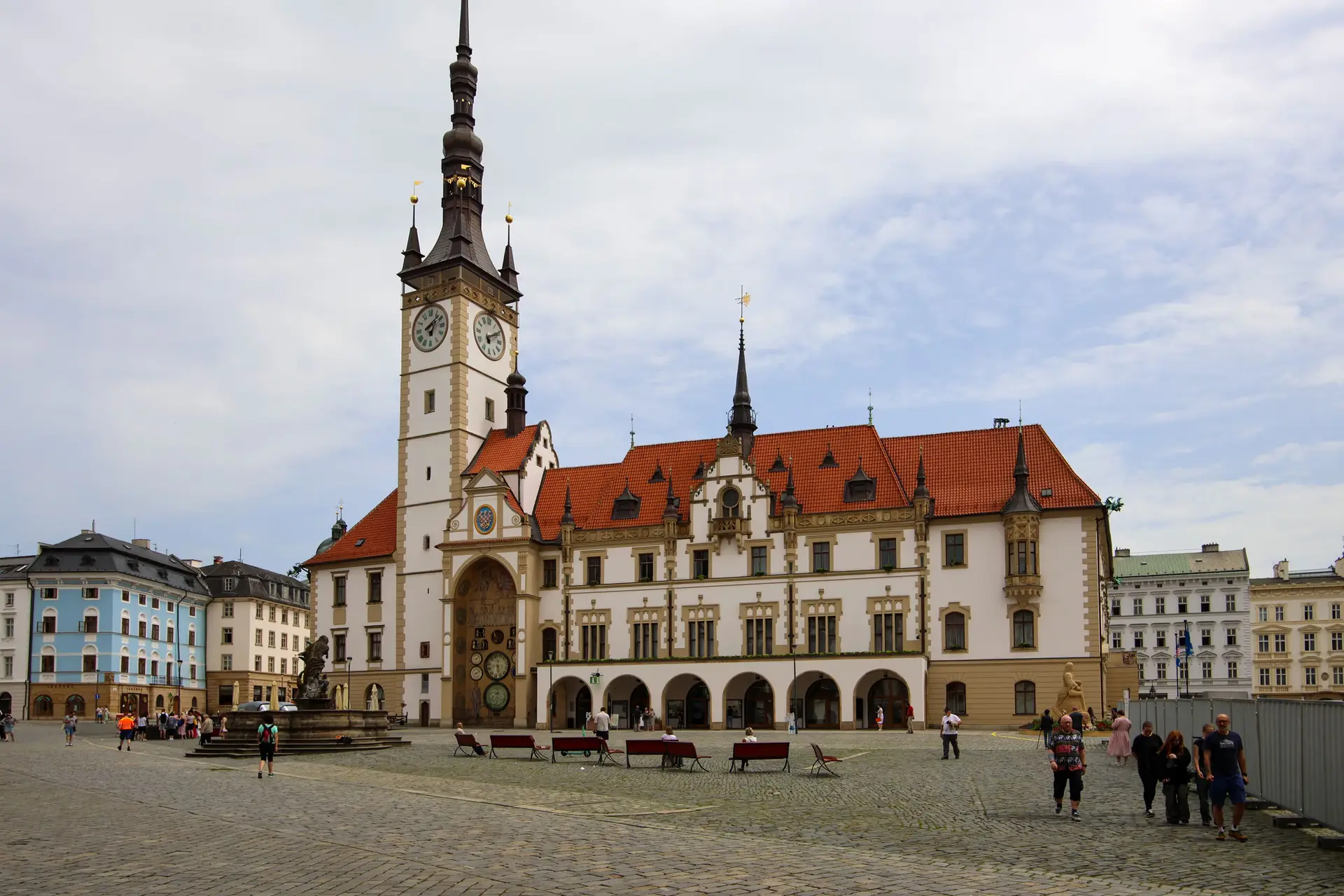
For decades, public broadcasting networks across Europe have treated compulsory household fees as a birthright rather than a taxpayer subsidy requiring ongoing justification. That comfortable consensus just took a notable hit in Prague. The Czech Chamber of Deputies has approved in its first reading a plan to dismantle the mandatory monthly broadcasting charge, shifting the funding of state television and radio directly onto the national budget while imposing a 15 percent haircut starting in 2027.
Under the leadership of Prime Minister Andrej Babiš, the government is scrapping the monthly levy of 205 Czech korunas—roughly 8.40 euros per household—in favor of direct treasury allocation. The cabinet frames this shift as a rational modernization that aligns with a broader European drift away from dedicated media taxes. Official statements maintain that shifting the purse strings to the state budget will not impinge on editorial independence or program quality. Yet, the prospect of surviving on a leaner diet of public funds has provoked an immediate reaction from those accustomed to guaranteed revenue.
Predictably, the institutional media apparatus has mobilized against the reform. The European Broadcasting Union, Reporters Without Borders, and the European Federation of Journalists quickly raised alarms, claiming that budget cuts combined with direct state funding expose broadcasters to political pressure. Domestically, the opposition intends to file a constitutional complaint, while hundreds of demonstrators gathered outside the parliament building in Prague. Employees at Czech Television and Czech Radio, organized under the Veřejnoprávně initiative, have scheduled a one-day strike for early November, arguing that the reform threatens both journalistic stability and public finances.
The Czech move is hardly an isolated phenomenon; it reflects a widening skepticism toward entrenched media bureaucracies across the continent. Across the border in Germany, similar debates are gaining traction. In Saxony-Anhalt, AfD lead candidate Ulrich Siegmund has championed the complete abolition of the German broadcasting fee, proposing to replace the current sprawling system with a drastically reduced core service known as Grundfunk.
When public media institutions face budget reductions, the default reaction of trade unions and international advocacy groups is to equate financial discipline with an assault on freedom of the press. What gets lost in these moral panics is whether citizens should be forced to underwrite expanding media structures by default. Czechia's decision to rein in mandatory fees forces a fundamental reckoning: whether state-funded media can justify its cost to the taxpayer, or if it expects permanent immunity from fiscal reality.
Written by Freya Stensrud freya.stensrud@alpineweekly.com