Oct 25, 7:01 PM
Boxed into a Corner: The Flawed Tactics Behind the SVP's Cabinet Demand
By demanding the Justice Ministry in advance, Switzerland's largest party has overreached institutionally and trapped itself strategically.
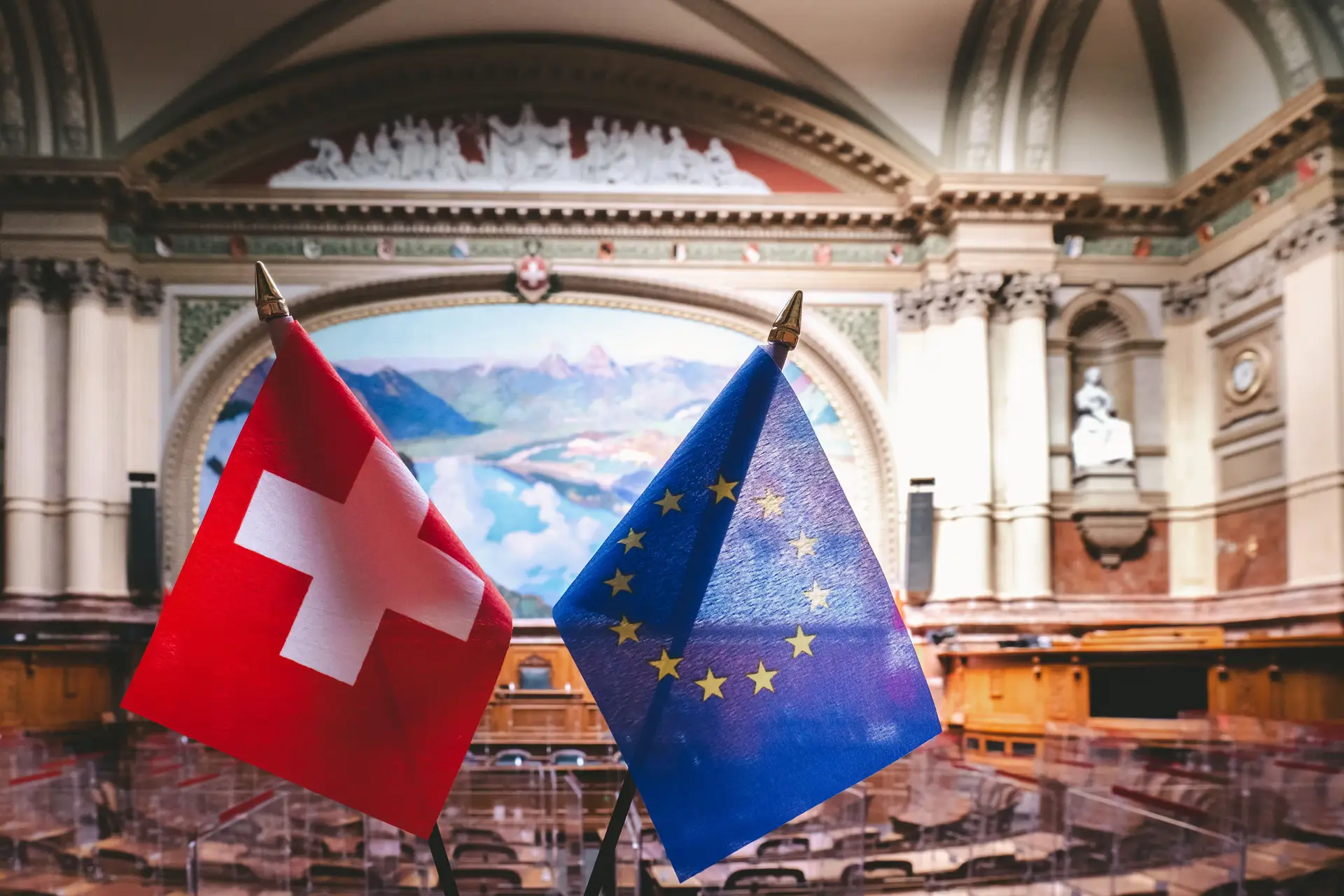
Swiss political traditions usually rely on a subtle dance of consensus and unspoken rules. The Swiss People's Party (SVP), however, has opted for a far more blunt instrument in the upcoming Federal Council election. Rather than simply putting forward candidates for government, the party has openly demanded a specific portfolio: the Federal Department of Justice and Police.
This explicit bid to take over the country's asylum policy is an unprecedented move in modern Swiss cabinet races. According to Bern political scientist Adrian Vatter, claiming a specific department beforehand constitutes a clear political overreach. Under the Swiss constitution, the allocation of departments is the sole prerogative of the full Federal Council, not the political parties outside the room. By attempting to dictate the cabinet's internal distribution of power in advance, the SVP continues its habit of trying to bend institutional mechanics to its own advantage.
Yet this institutional pressure play reveals a deeper strategic miscalculation. By tying the candidacies to a hardline mandate in the asylum sector, the party leadership has backed itself into a corner. To successfully manage the department according to party expectations, a minister would need two distinct qualities: proven executive experience and uncompromising loyalty to the party line.
The current field of potential candidates illustrates the flaw in this logic. Hardline party loyalists, including parliamentary group leader Thomas Aeschi and National Councillor Michael Graber, possess the requisite ideological stance but completely lack executive government experience. Conversely, candidates from cantonal governments, such as Pierre Alain Schnegg, bring the necessary administrative background but regularly stray from strict party orthodoxy. By setting hyper-specific demands for a department that might not even be vacated, the party has effectively excluded potential figures like Geneva National Councillor Céline Amaudruz while restricting its own flexibility.
To make matters more complicated, the preferred choice of the party elite appears hesitant. Thomas Aeschi, widely viewed as the inner circle's favorite, has requested time to ponder his candidacy rather than stepping forward with conviction. In the calculating world of cabinet elections, such tactical hesitation is quickly interpreted as indecision. A candidate holding out while the party waits only heightens the impression of a strategy that has outpaced its own logistics.
Written by Thorben Thiede thorben.thiede@alpineweekly.com