Oct 29, 9:01 PM
When Governance Fails, Bowing Is Not Accountability
A deadly residential inferno exposes the cost of bureaucratic inertia in an unchecked state.
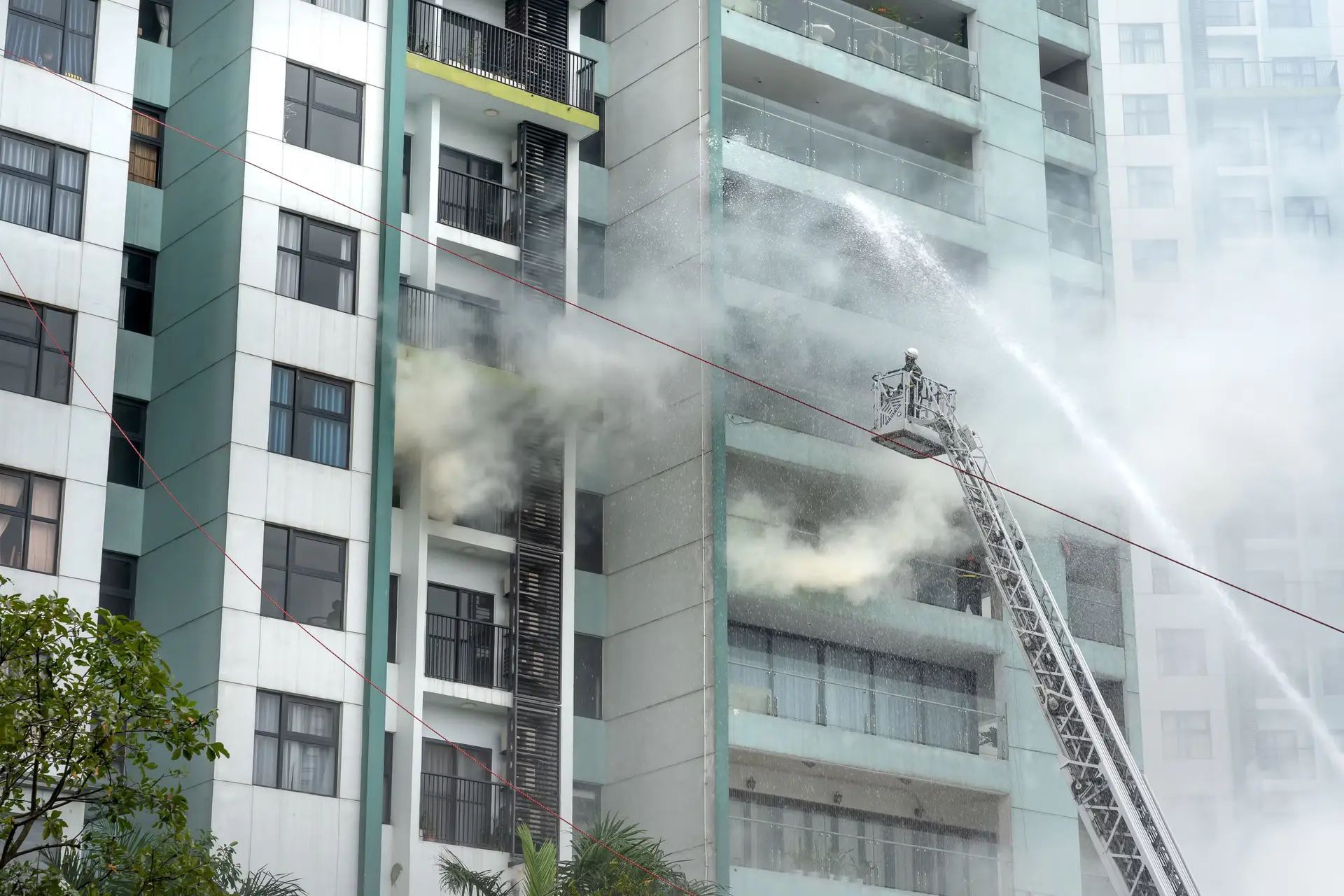
When an administration effectively eliminates civic dissent, it assumes total ownership of administrative outcomes. Hong Kong's executive leadership provided a striking display of political theater this week when Chief Executive John Lee and seven senior officials stood before reporters and bowed in apology. The synchronized ritual followed the release of an independent report into last year’s disaster at the Wang Fuk Court housing complex—an inferno that killed 168 people, making it the world’s deadliest residential fire since 1980.
The findings paint a damning picture of regulatory decay. What started as a minor fire, likely triggered by a discarded cigarette, rapidly swallowed seven of the eight residential towers. The flames spread unchecked across illegal bamboo scaffolding, highly flammable netting, and substandard construction materials, while disabled fire alarms rendered early evacuation impossible. Although the inquiry identified private contractors as the primary culprits, it allocated substantial blame to four separate government departments for decades of institutional failure and lax enforcement. Had bureaucrats heeded past warnings and enforced basic safety regulations, the deadly combination of hazards could have been eliminated long before the spark caught.
So far, the political consequences have been strictly rationed. Housing Secretary Winnie Ho stepped down, remaining the sole cabinet-level figure to resign over the disaster. On the legal front, authorities have arrested thirty-five individuals, with seven people and two corporations facing criminal prosecution, including charges of manslaughter. Lee announced another three-month internal inquiry into departmental responsibility and pledged legislative reforms to outlaw bid-rigging and overhaul the public complaints mechanism.
For the bereaved, these administrative measures offer cold comfort. Survivors like Yip Ka-kui, who lost his wife and his home in the blaze, openly dismissed the government's response, insisting that true political responsibility requires every department head involved to step down. Other relatives noted that while a late apology beats complete denial, actual justice remains unserved. The government's current appetite for internal reflection also contrasts sharply with its initial posture following the tragedy, when official energy was concentrated on policing public reaction.
In the weeks after the fire, security forces actively warned the public against exploiting the disaster, arresting at least three people on sedition charges and summoning international journalists over alleged media bias. Under the national security framework established in 2020, the independent watchdogs and civil society groups that once held power to account have been thoroughly neutralized. When external scrutiny is erased, administrative standards quietly deteriorate. A three-month internal review may satisfy official procedure, but it leaves an obvious question unaddressed: can a state apparatus that tolerates no opposition ever truly enforce discipline upon itself?
Written by Freya Stensrud freya.stensrud@alpineweekly.com