Oct 25, 7:00 PM
The Unwelcome Return of María Corina Machado
Washington preferred a quiet arrangement with Caracas. The unexpected return of Venezuela's opposition leader spoils the calculus.
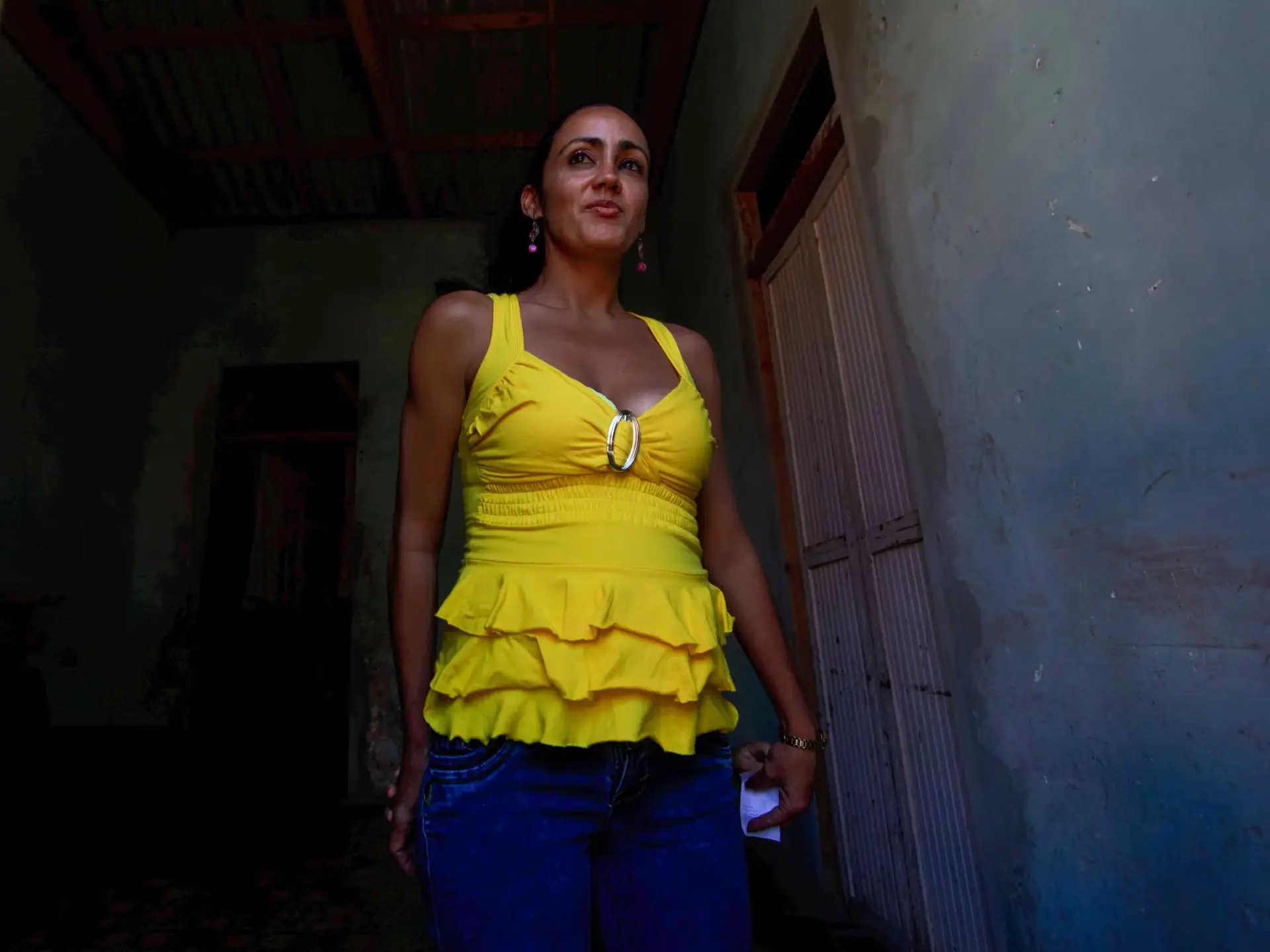
The political script in Caracas was written with transactional precision, but the primary actors seem unwilling to stick to the dialogue. Nearly a year after fleeing into exile to collect her Nobel Peace Prize, Venezuelan opposition figurehead María Corina Machado has landed back on domestic soil. Footage circulating from the Sanctuary of the Divine Shepherdess in Barquisimeto, roughly 220 miles west of the capital, shows Machado surrounded by crowd-held smartphones. Her unexpected reappearance disrupts an arrangement that Washington had carefully curated with interim President Delcy Rodríguez.
Machado’s return was validated on social media by her exile-bound ally Edmundo González, who announced that the sovereign voice of the opposition had returned to guide the nation and hinted at his own imminent arrival. How the 59-year-old managed to re-enter the country after more than half a dozen failed attempts remains unclear. Since leaving last December, her efforts to return—including during the aftermath of June’s northern coast earthquake—were routinely thwarted. Her presence now poses a direct political challenge to Rodríguez, the former vice-president who stepped into power following the American operation that removed Nicolás Maduro in January.
The situation exposes the pragmatic mechanics of modern statecraft. Despite Machado’s movement being widely recognized as the victor of the disputed 2024 presidential election, Washington chose stability over democratic idealism. Rather than backing the opposition leader for the presidency, the American administration preferred to work with Rodríguez, managing Venezuela effectively as a protectorate. Machado, for her part, tried every diplomatic gesture to secure backing in Washington, even presenting her Nobel Peace Prize medal to the American president as a token of appreciation for Maduro's extraction.
The reaction from Washington was characteristically detached. When asked about her return, the American president claimed no knowledge of her journey while describing her as a very nice woman, reminding reporters of her gift of the Nobel medal, and asserting that affairs in Venezuela were going very well. Behind the polite remarks lies a clear geopolitical preference: a manageable administrator in Caracas is infinitely easier to handle than an uncompromising reformer on the ground. Whether Rodríguez can contain her arch-rival’s momentum without alienating her foreign sponsors will test the durability of Washington’s quiet agreement.
Written by Freya Stensrud freya.stensrud@alpineweekly.com