Nov 3, 5:01 AM
The Limits of Executive Friction
Washington's last-ditch effort to purge California's voter rolls collapses at the Supreme Court.
When the executive branch decides to crusade against alleged election anomalies on the eve of a national vote, it usually helps to bring solid data—or at least a legal argument strong enough to convince more than zero judges. The Trump administration possessed neither as it sought to force California election officials to segregate 20,000 ballots.
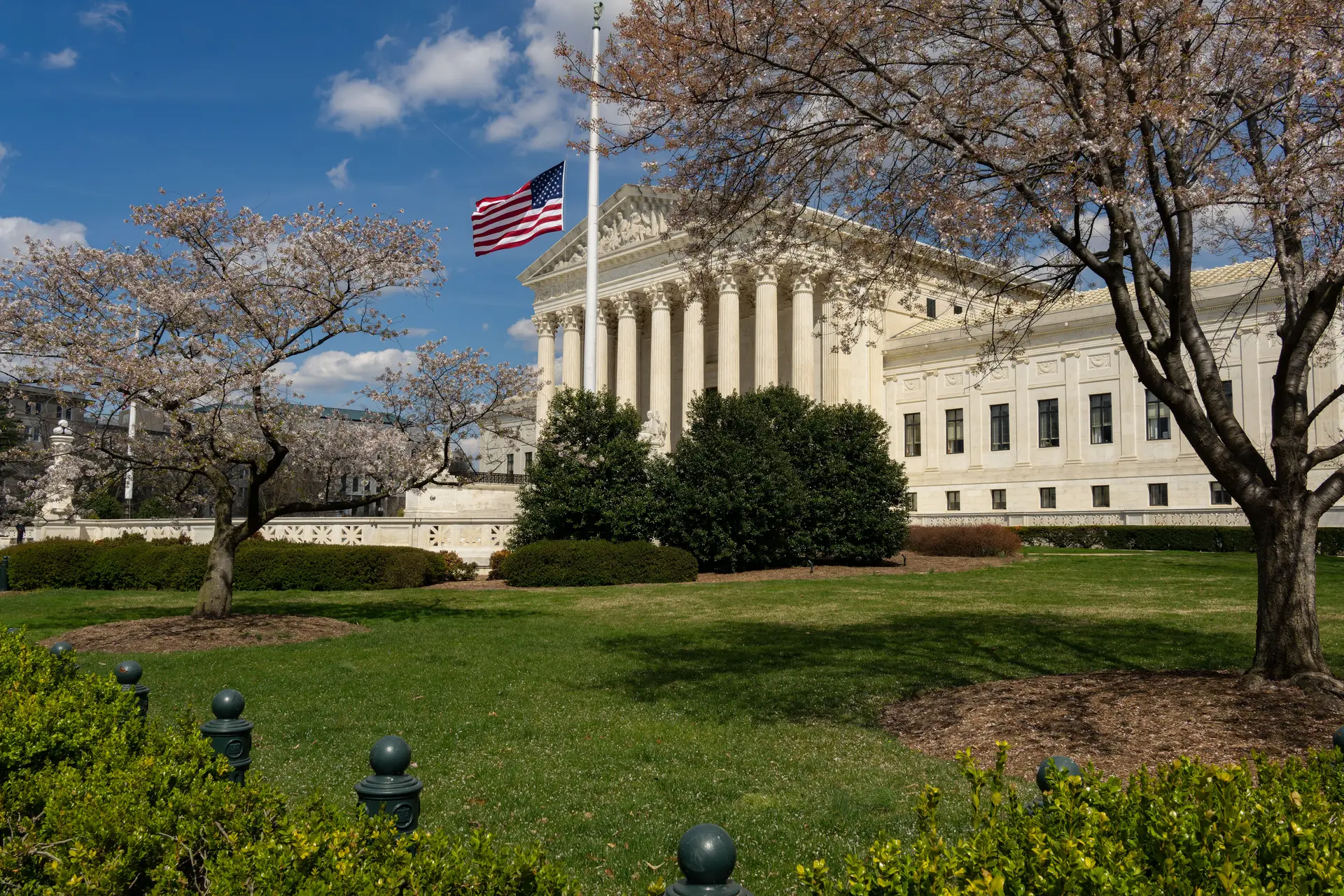
In a curt, single-sentence order, the US Supreme Court shut the door on the Department of Justice. The brief ruling, referred to the full bench by Justice Elena Kagan, simply stated: “The application for injunction pending appeal presented to Justice Kagan and by her referred to the Court is denied.” With those sixteen words, the highest court in the land put a swift end to a high-pressure campaign aimed at California’s electoral apparatus.
The federal push began in earnest last month when the Department of Justice dispatched demands to state and local election administrators, claiming in a 22-page brief that 20,000 registered voters were likely non-citizens whose ballots would dilute legitimate votes. To emphasize the point, armed officials from the Department of Homeland Security were sent to county offices across the state, threatening local administrators with criminal prosecution if they failed to sequester the flagged ballots.
Such tactics might impress political loyalists, but they fared poorly under judicial scrutiny. California election officials immediately pointed out that the federal government's list was riddled with factual errors, noting that identifying and isolating individual ballots while voting was already in progress was logistically unworkable and risked stripping legitimate citizens of their franchise. In a state boasting 23 million registered voters—where more than six million mail-in ballots had already been returned by Sunday night—disrupting the count over an inaccurate list proved a bridge too far.
Before reaching the Supreme Court, the administration’s strategy was systematically dismantled in lower tribunals. A federal appeals court refused to order the segregation of ballots on Friday, following a severe assessment by District Judge David Carter. The judge observed that the federal government had never before attempted to coerce state authorities into abandoning their established constitutional procedures on the very eve of an election, characterizing the maneuver as part of an ongoing pattern of executive interference.
The Supreme Court’s decisive rejection reinforces a fundamental institutional boundary: federal authorities cannot simply bulldoze state electoral machinery based on speculative lists and heavy-handed intimidation. As the midterms arrive to decide control of Congress for the remainder of the presidential term, the administration is left to contemplate a familiar lesson in American governance—federalism cuts both ways, and the judiciary remains unimpressed by political theater disguised as emergency litigation.
Written by Martina Kirchner martina.kirchner@alpineweekly.com