
Nov 3, 5:01 AM
Drones in the Black Sea expose the limits of alliance promises
Repeated strikes on merchant shipping off the Bulgarian coast reveal a gaping disparity between official declarations and actual maritime control.
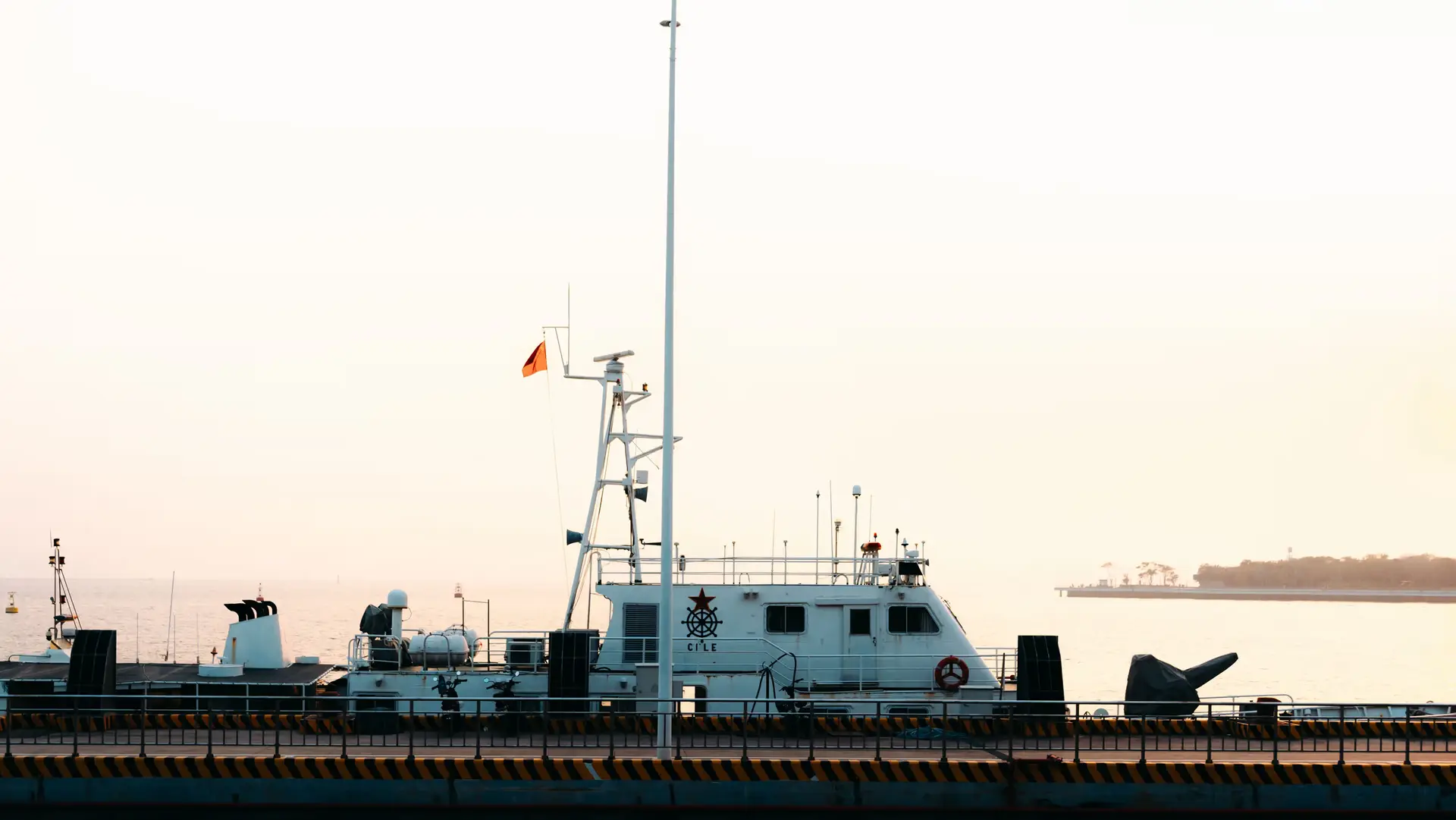
When three maritime drones struck the Liberian-flagged, Greek-managed tanker Contship Jet on October 28, the vessel was simply plying its trade route between Haifa and Constanța. Instead, its eighteen crew members—fourteen Filipinos and four Ukrainians—found themselves pulled from the waters off the coast of Bulgaria by local naval and border police ships, brought ashore to Varna for medical checks. It was the fifth such strike within a single month inside Bulgaria's exclusive economic zone, a stark reminder that international shipping lanes in the Black Sea have effectively become an unguided free-fire area.
The vessel was carrying a volatile cargo, including lithium-ion batteries, flammable liquids, and hazardous gases. While Bulgarian naval teams subsequently reported no environmental contamination in territorial waters, the strike highlighted the vulnerability of commercial infrastructure in a region where state authorities struggle to maintain basic maritime order. Bulgaria's Military District Prosecutor's Office promptly launched a preliminary investigation, yet official Sofia appears ill-equipped to police its own maritime backyard.
Suspicion for the campaign targeting merchant shipping has centered on Moscow, with Western analysts and regional officials arguing that the strikes are designed to test NATO's resolve and disrupt commercial routes tied to Ukraine. Yet proving authorship remains elusive for Sofia's fragile intelligence apparatus. Addressing parliament earlier in the month, Bulgarian Prime Minister Rumen Radev admitted the dilemma facing his government, noting that the problem is that we cannot prove it.
In response to the mounting tension, defense ministers from Bulgaria, Romania, and Turkey gathered in Sofia to discuss regional security. The meeting yielded predictable diplomatic formulas. In a joint statement, the three alliance members called for an immediate cessation of attacks that threaten commercial ships, maritime infrastructure and the safety of maritime activities, while promising enhanced intelligence sharing and early warning coordination.
Such assurances align neatly with the rhetoric coming from alliance headquarters in Brussels. Following earlier incidents, NATO Secretary-General Mark Rutte publicly declared that the alliance had strengthened its posture along the eastern flank with improved counter-drone capabilities. Yet for the merchant crews navigating the Black Sea, paper commitments and strategic declarations offer little operational protection against low-cost unmanned surface craft. Until words translate into actual sea control, commercial transport in these waters remains a gamble that private shipping lines must underwrite on their own.
Written by Christiane Hofreiter christiane.hofreiter@alpineweekly.com