Nov 3, 5:01 AM
Diplomacy by Detonation: Washington's Double Game in the Persian Gulf
Air strikes on Qeshm Island and election-eve promises of peace highlight the complex calculus of American coercive bargaining.
The White House seems to have mastered the subtle art of running parallel realities. On the eve of crucial American midterm elections, President Donald Trump publicly suggested that a diplomatic breakthrough with Tehran was achievable. Simultaneously, American warplanes were reportedly delivering a far stiffer message directly to Iranian strategic infrastructure in the Persian Gulf.
According to accounts published by the Wall Street Journal, which cited unnamed officials in Washington, the United States executed a targeted military strike against Qeshm Island. The landmass, positioned at the mouth of the Strait of Hormuz, echoed with five rapid explosions on Monday. Iranian state media agency IRNA confirmed the detonations, while residents reported spotting two military aircraft operating overhead. The Pentagon redirected formal inquiries to US Central Command, which refrained from commenting on the operation.
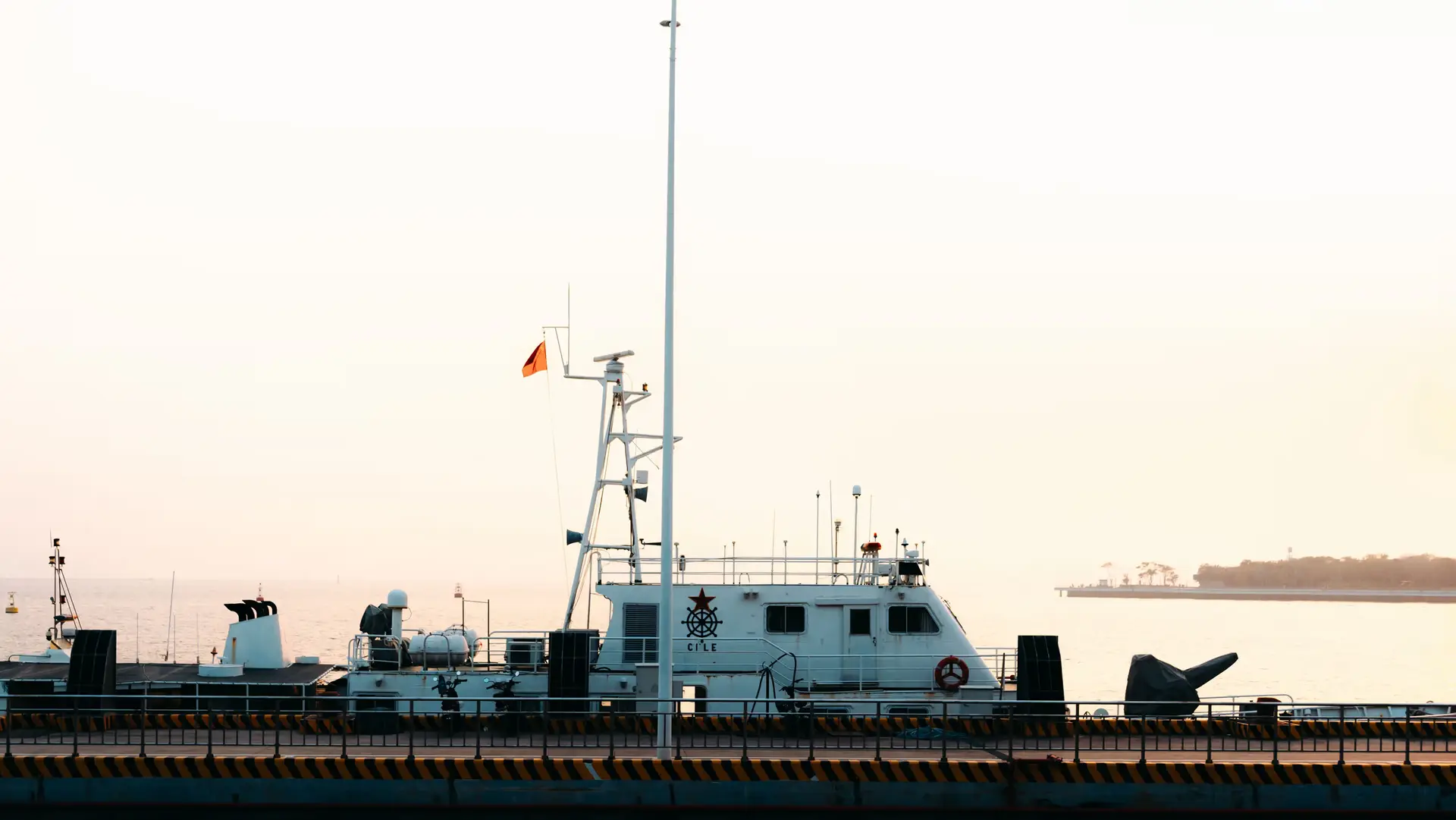
This latest action is part of a covert, low-intensity campaign that Washington has conducted over recent weeks. American officials frame these measured incursions as defensive necessities aimed at preventing Tehran from harassing merchant vessels. Ever since the conflict erupted eight months ago in late February, Iranian forces have effectively choked off the Strait of Hormuz, paralyzing one of the global economy's paramount maritime transit corridors.
By avoiding formal public announcements regarding these strikes, the White House maintains tactical leverage without officially declaring an escalation of major combat operations. Yet the broader strategy relies as much on market psychology as on kinetic force. For months, the blockade kept energy markets in turmoil. Trump's optimistic rhetoric immediately caused crude prices to drop by more than seven percent, providing a welcome respite for Western consumers right before domestic polls open.
Whether coercive diplomacy will compel Iran to alter its trajectory or simply prolong a dangerous stalemate in the Gulf is a calculation that extends far beyond the immediate election cycle. For now, Washington appears content to balance covert force with public overtures, betting that calibrated pressure can clear a path through the world's most perilous choke point.
Written by Thorben Thiede thorben.thiede@alpineweekly.com