Nov 1, 1:01 PM
Broken Tracks and Shattered Glass: A Visual Record of Governance in Decay
From high-speed rail collisions to shattered urban storefronts, recent global headlines reveal the growing costs of administrative failure.
A week captured in press photographs often reveals more about structural fragility than any official communique. Scan the latest series of global snapshots, and a pattern of administrative strain and societal friction emerges across continents.
Consider the rails of southern Europe. Roughly 150 kilometers south of Madrid, between Urda and Los Yebenes in Toledo province, emergency services spent late October sifting through the wreckage of two high-speed units. A collision between a Renfe AVE train and an Iryo train on a major corridor ought to prompt uncomfortable inquiries regarding state-managed transit networks and oversight. When flagship transport systems crunch together on open tracks, the veneer of modern administrative competence cracks wide open.
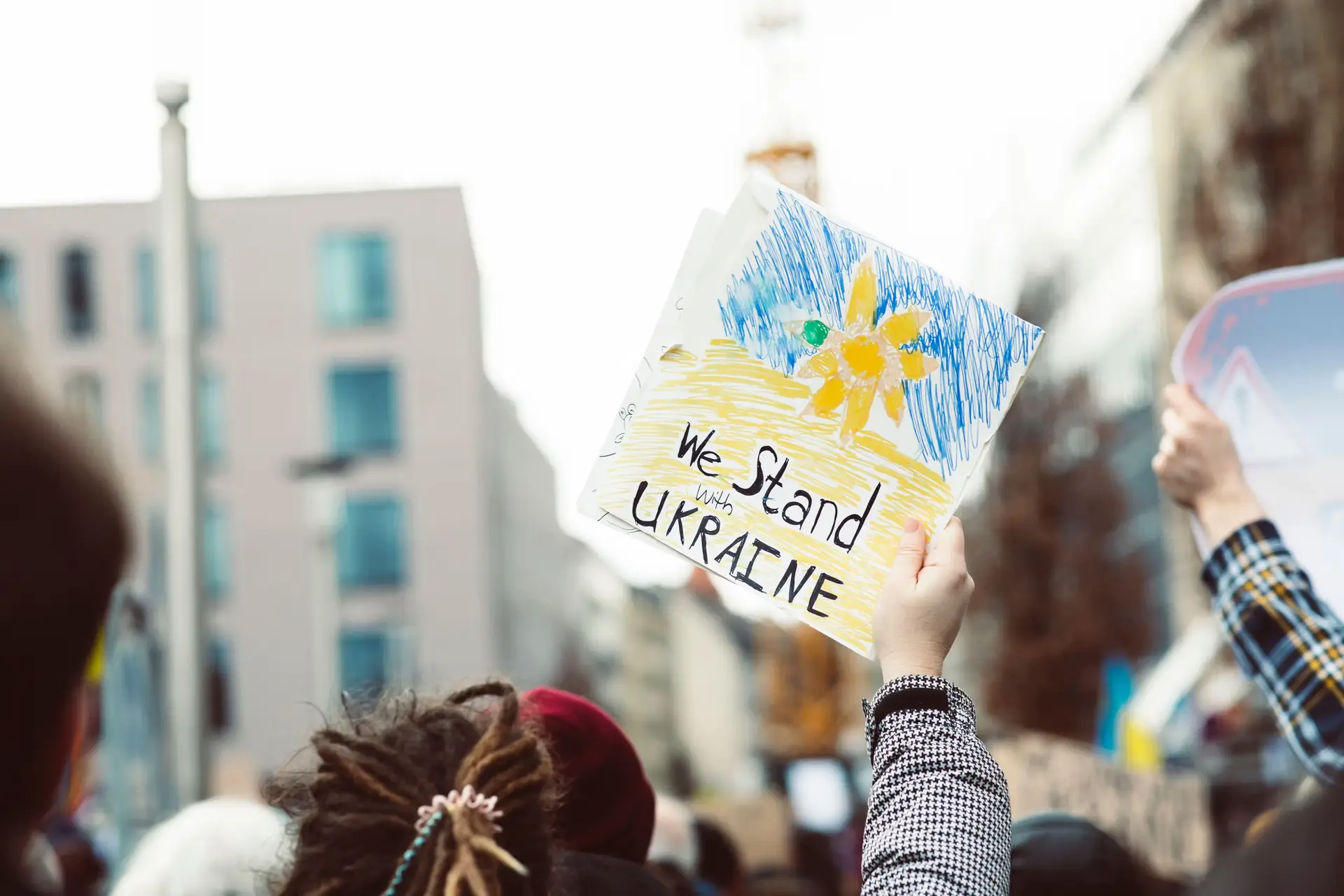
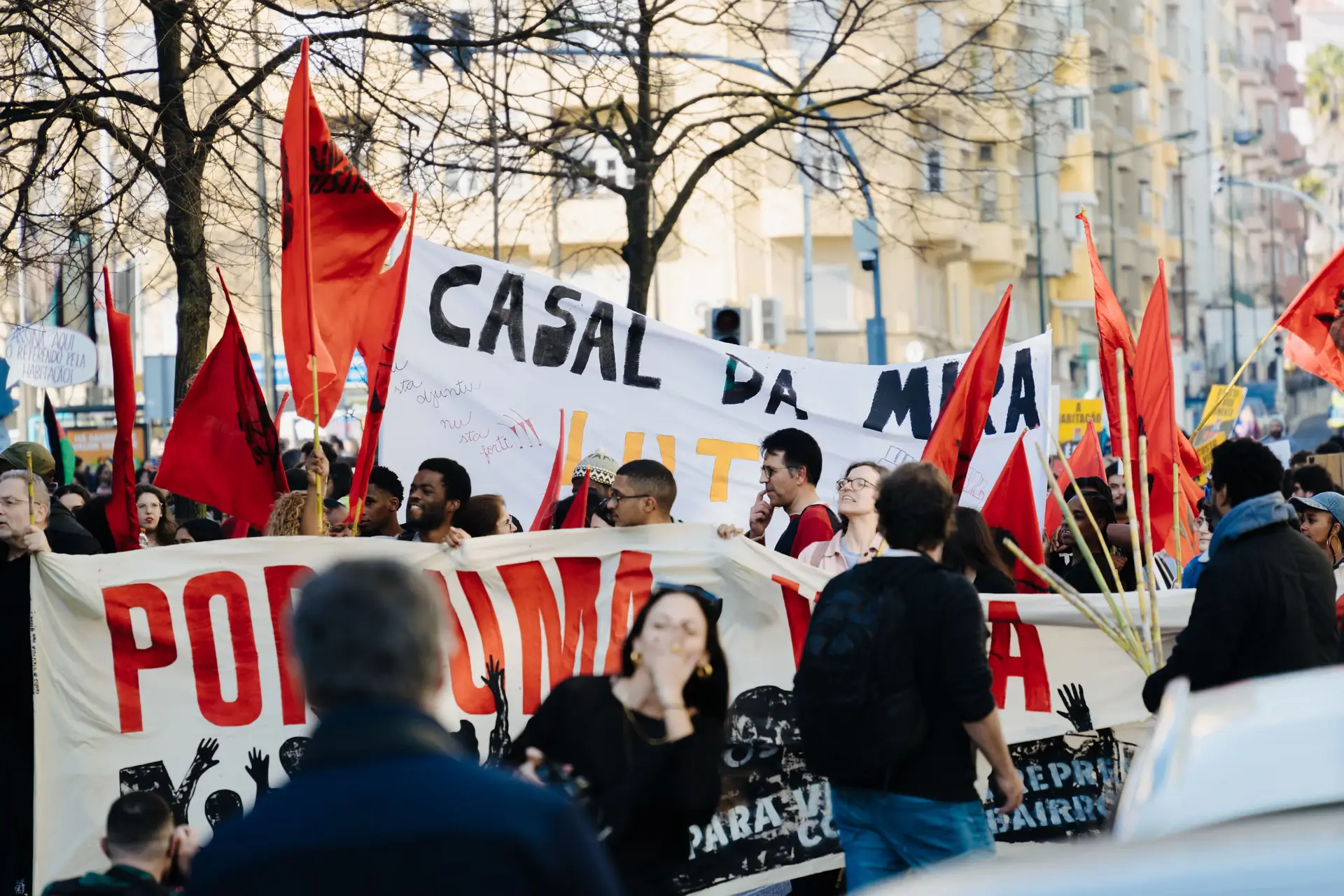
Cross the border into France and Germany, where public order appears equally precarious. In Lyon, demonstrators donned Halloween costumes to take to the streets in yet another round of nationwide protests. Meanwhile, in Frankfurt, business owners spent the morning after Gen Z demonstrations sweeping up shattered glass from broken jewelry store windows. Urban centers that once promised security now routinely host street-level agitation and property damage, reflecting deep-seated disquiet that authorities seem ill-equipped to prevent.
Political power structures elsewhere show a relentless drive for self-perpetuation despite evident strain. In Brazil, President Luiz Inacio Lula da Silva embraced lawmakers after clinching a fourth term in a tense runoff election. Across the Mediterranean and into the Middle East, Tel Aviv was draped with campaign billboards displaying Israeli Prime Minister Benjamin Netanyahu alongside Donald Trump on the eve of legislative elections. Trump himself was busy tossing campaign hats into crowds at a rally in Lubbock, Texas, while opposition leader Rahul Gandhi mounted a vehicle in New Delhi to lead Congress party marches against the government.
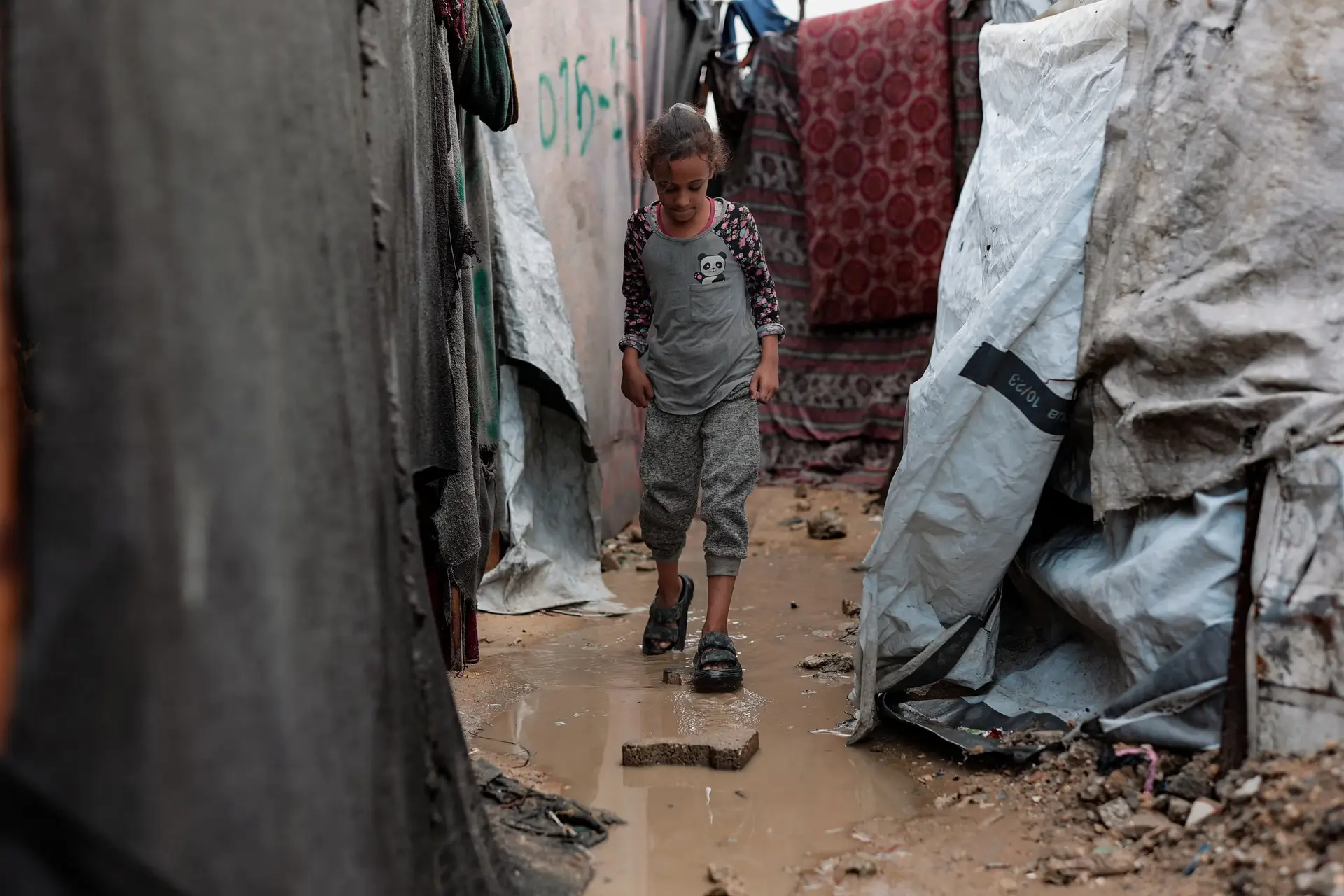
Beyond the political arenas, the human and physical toll remains starkly tangible. In the central Gaza Strip, an eight-year-old child picked through the rubble of his destroyed home in the Bureij refugee camp following overnight air strikes. Far away in East Java, Mount Semeru blanketed Lumajang in thick volcanic ash, offering a grim natural backdrop to human disarray. Even the lighthearted moments—such as zookeepers in Cali, Colombia, feeding meat-filled pumpkins to Komodo dragons—seem like brief distractions from a broader narrative of systemic neglect.
When high-speed trains collide, storefronts splinter, and political elites cycle through familiar terms of office, citizens are left to ask who is actually maintaining the machinery of the state. Visual records capture the immediate wreckage, but the broader breakdown in governance requires far more than routine cleanup efforts. Until basic competence returns to public policy, the cycle of disruption will simply deliver the next striking photograph.
Written by Sandy van Dongen sandy.vandongen@alpineweekly.com