Nov 3, 5:01 AM
Blind Expansion: Swiss Military Real Estate Lacks Basic Strategy
The federal audit office reveals severe planning deficiencies as the armed forces attempt to scale up.
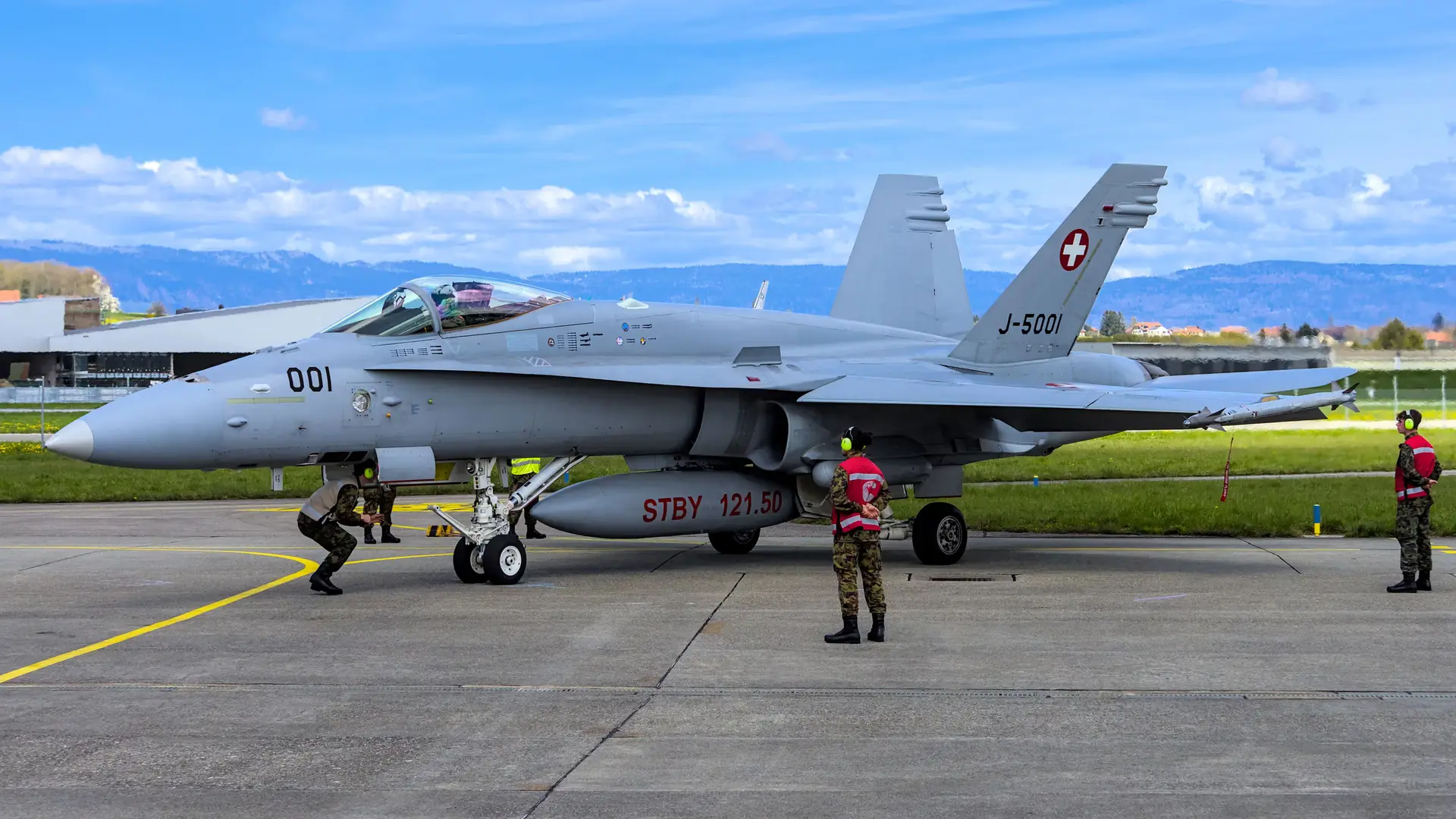
An army intending to expand needs space, but knowing what one already owns would seem a prudent starting point. In prosperous Switzerland, where defense budgets are growing alongside geopolitical anxieties, the state's military real estate division appears to be operating in a strategic fog. A fresh report by the Swiss Federal Audit Office paints a sobering picture of Armasuisse Immobilien, the agency responsible for a vast empire of military infrastructure.
The numbers are staggering for a nation of modest geography. The Federal Department of Defence, Civil Protection and Sport oversees 24,000 hectares of land and roughly 6,000 buildings and installations ranging from barracks and bunkers to airfields and access roads. After decades of downsizing, the military pivot towards expansion requires room for additional troops, hardware, aircraft, and weapons. Yet, as the audit reveals, the administration lacks the fundamental data, strategic frameworks, and clear responsibilities required to manage this transition effectively.
The audit office warns of imminent misinvestment and persistent delays. Armasuisse Immobilien simply does not possess complete data on its existing inventory, nor has it established clear deadlines or project priorities. Capital investments are already falling behind schedule. The auditors point out that without basic clarity on intended property usage and financial boundaries, building additional protective structures or modernising existing stock becomes an exercise in blind spending. To curb inefficiency, the auditors suggest standardized construction methods and far tighter inter-agency coordination.
Confronted with these findings, defense officials have pledged to overhaul their property strategy. Department representatives such as Robert Scheidegger have indicated a desire to maximize output with current funds, proposing to align real estate projects more closely with military equipment acquisitions, perhaps even utilizing agile project management. Meanwhile, Petra Kobler, head of Armasuisse Immobilien, acknowledged a significant backlog in bringing facilities up to date and adding necessary defensive structures.
Whether fashionable management jargon will solve a structural absence of basic inventory lists remains open to doubt. It is a familiar paradox of comfortable state bureaucracies: funds are available, political priorities shift toward rearmament, but the administrative machinery lacks the discipline to execute simple asset management. Rebuilding national defense begins not with grand strategic declarations, but with knowing which buildings are worth keeping.
Written by Thomas Nussbaumer thomas.nussbaumer@alpineweekly.com