Nov 2, 11:01 AM
The High Cost of Cheap Flights
As oil shocks threaten a €2 billion fuel gap, Ryanair prepares to squeeze crew ratios and labor agreements.
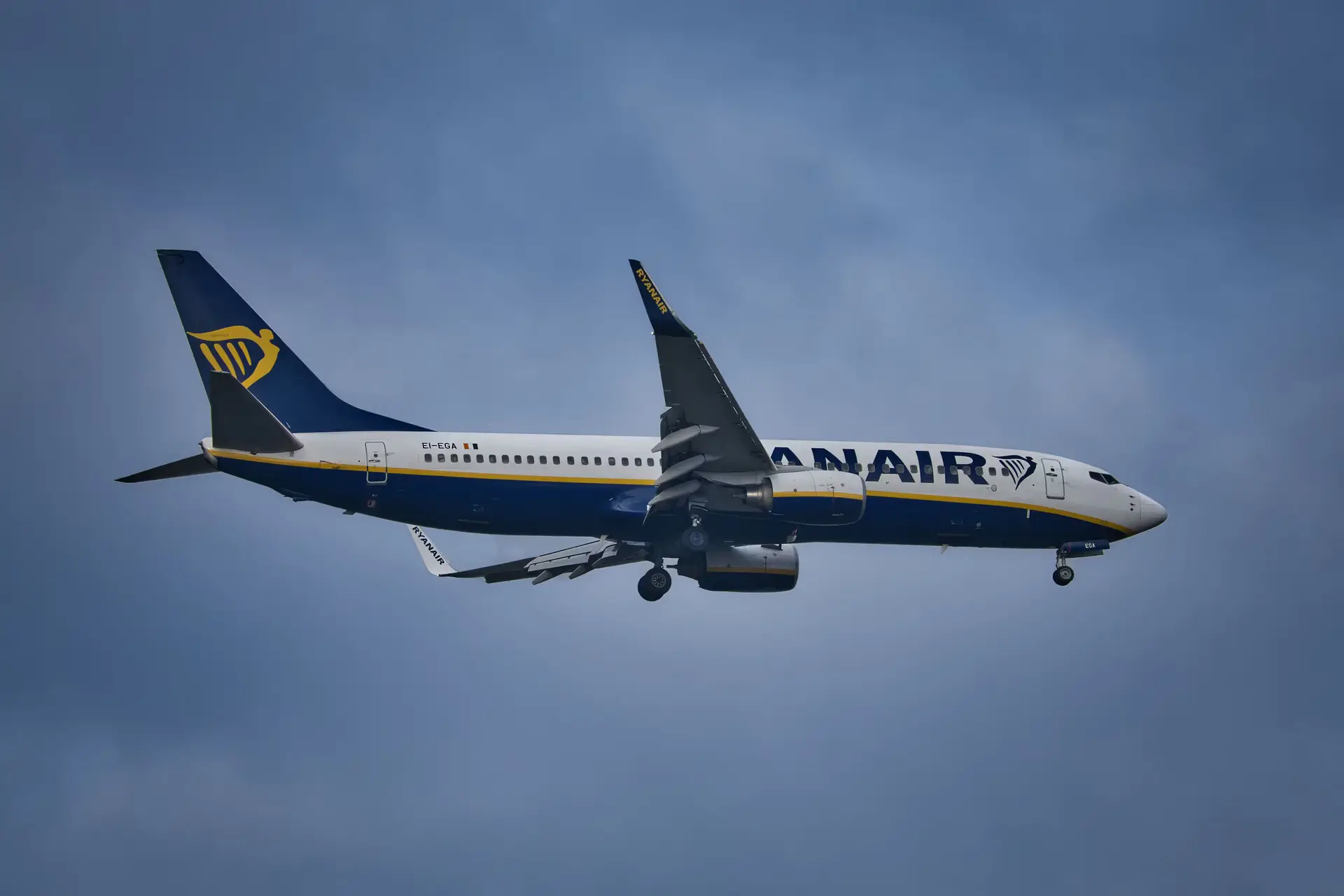
For years, budget aviation operated on a simple implicit contract: low fares for passengers and hyper-efficient operational discipline for the carrier. That formula faces a severe reality check as energy markets digest the fallout from tensions in the Middle East. Ryanair is preparing for a projected €2 billion increase in its annual fuel bill by the time its 2028 financial year concludes, forcing Europe's largest low-cost airline to look inward for savings.
The carrier’s recent financial performance appears robust enough at first glance. For the quarter ending in September, Ryanair generated a post-tax profit of €1.61 billion—a 6% year-on-year decline, yet entirely in line with analyst expectations—while passenger traffic expanded 5% to 64.5 million. Average ticket prices during that same window fell by 2%. Yet these figures reflect a period when cheap fuel hedging deals still shielded the bottom line from crude oil spikes that recently touched $110 a barrel.
That cushion is deflating rapidly. While 80% of the airline’s fuel needs through late March are secured at $67 a barrel, only a quarter of its requirements for the subsequent twelve months are hedged, and at a much higher $95. Pass-through pricing will only go so far. Industry expectations point to short-haul European airfares rising by as much as 20% as competitor capacity shrinks and legacy hedges expire across the continent.
Chief executive Michael O’Leary has signaled that ticket price hikes cannot carry the burden alone. He noted that while we believe European short-haul fares will increase materially to reflect these much higher jet-fuel prices and competitor capacity reductions, this is unlikely to provide a full offset for an estimated €2bn increase in our fuel bill. Unless the conflict in the Middle East resolves swiftly, jet fuel costs will remain elevated deep into 2027.
The operational playbook is predictably unsentimental. Management is scrutinizing every line item across its fleet, targeting labor agreements for potential pay freezes, exploring lower cabin crew ratios, and pushing AI into back-office and operational functions. O’Leary confirmed that the group is reviewing costs with a focus on airport churn negotiations, maturing labour agreements (which may require temporary pay freezes), lower crew ratios and increased use of AI.
Visibility remains tight as passenger booking behavior shifts closer to departure dates. Performance in the current quarter hinges almost entirely on close-in bookings around school midterms and the Christmas holiday period. In a business where margin is measured in pennies, the low-cost carrier is demonstrating that survival at the top requires an unwavering willingness to strip away cost, regardless of labor resistance or corporate nostalgia.
Written by Sandy van Dongen sandy.vandongen@alpineweekly.com