Oct 29, 9:01 PM
Lucerne's 192-Million-Franc Lesson in Administrative Efficiency
Centralizing 2,000 state employees in Emmen promises big savings, but leaves desk-sharing and parking dilemmas in its wake.
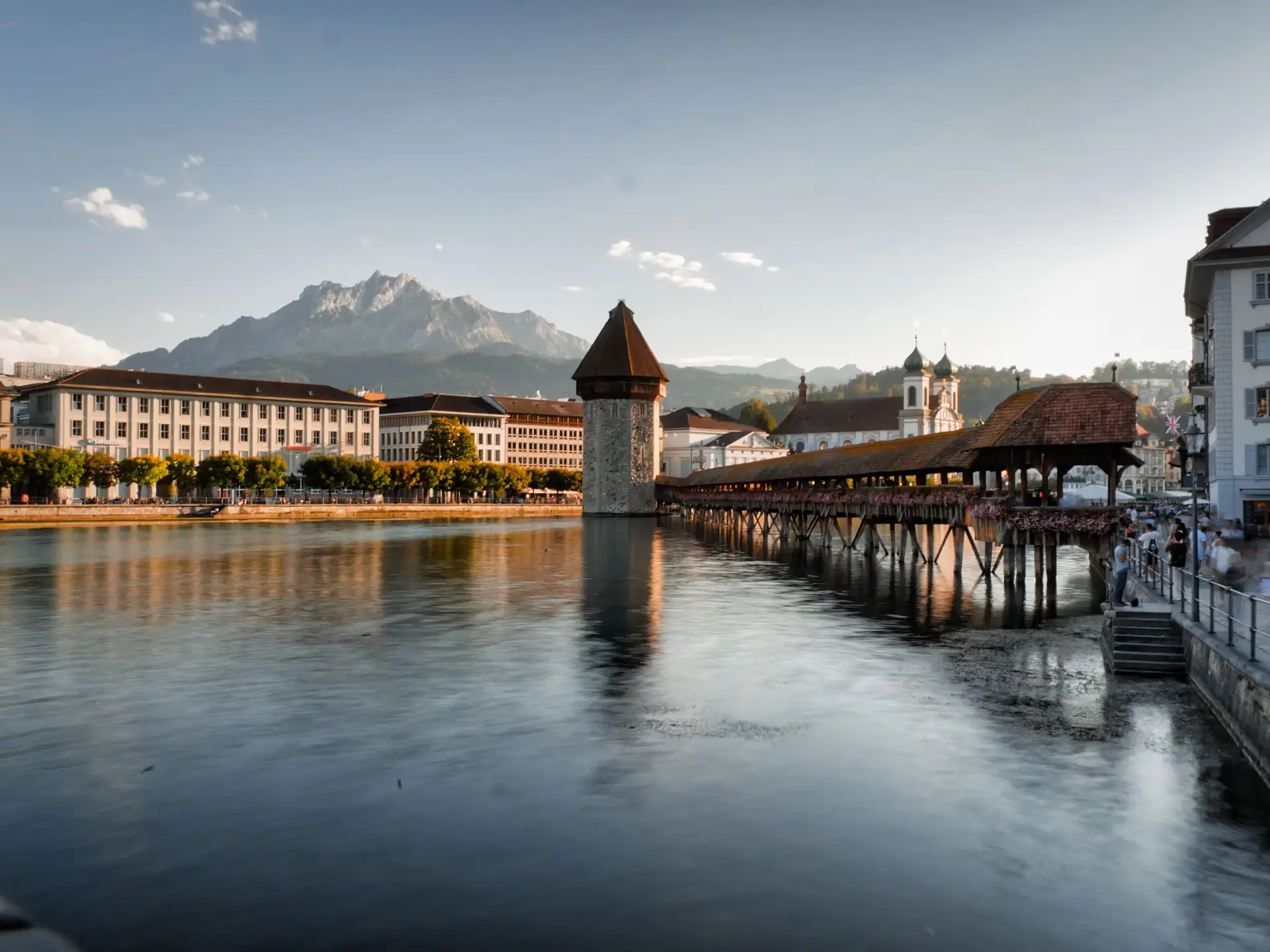
Swiss cantons have discovered a remarkably expensive way to practice fiscal discipline: constructing multi-million-franc administrative monoliths to house their expanding bureaucracies. Lucerne is setting the pace with a sleek, 192-million-franc triangular complex at Seetalplatz in Emmen.
Beginning in mid-November 2026 and wrapping up by late February 2027, around 30 cantonal departments will relocate to the agglomeration. The move brings roughly 2,000 civil servants—handling everything from passports to forestry and migration—under a single roof, while the political executive and parliament remain comfortably anchored in the city of Lucerne. Finance Director Reto Wyss labeled the build a national flagship project, touting projected annual savings of nine million francs. The financial calculus relies on eliminating private commercial leases, consolidating reception desks, and trimming routine transit times between scattered offices.
Yet the efficiency math depends heavily on modern workplace dogma. The canton constructed just 1,200 workstations for its 2,000 staff members, placing complete faith in remote work and part-time arrangements. Even more ambitious is the mobility concept: the complex provides a mere 66 parking spaces, restricted exclusively to operational and emergency vehicles. Privately owned cars are entirely shut out, a choice Wyss confirmed was a deliberate decision aimed at nudging employees onto local buses and trains.
Unsurprisingly, local residents in Emmen are skeptical of the sudden influx. Fearing that displaced bureaucrats will overwhelm neighborhood parking, the local municipal council plans to increase parking fees and raise the price of annual parking permits, targeting non-residents in particular.
Lucerne is hardly alone in this trend. The Canton of Schwyz is preparing to spend 140 million francs on a unified complex in Kaltbach to vacate twelve rented premises, while Basel-Landschaft is advancing similar plans in Liestal. State planners remain firmly convinced that building costly new headquarters is the most logical path to downsizing administrative overhead.
Written by Sandy van Dongen sandy.vandongen@alpineweekly.com