Oct 27, 1:01 PM
Paper Charters and Broken Bones: Fribourg-Gottéron’s Naive Hockey Order
The club learned the hard way that signed promises rarely survive contact with fanatical ultra culture.

Swiss sports executives share a recurring habit of placing boundless trust in written pledges, right up to the moment police sirens echo outside a stadium. When Fribourg-Gottéron traveled to face Lausanne HC in the Western Swiss derby on Saturday night, club management rested easy on a signed charter. Both major ultra groups, Fribvrgensis XIV and Fanatics, had solemnly promised to maintain respectful behavior. The outcome was as predictable as it was grim.
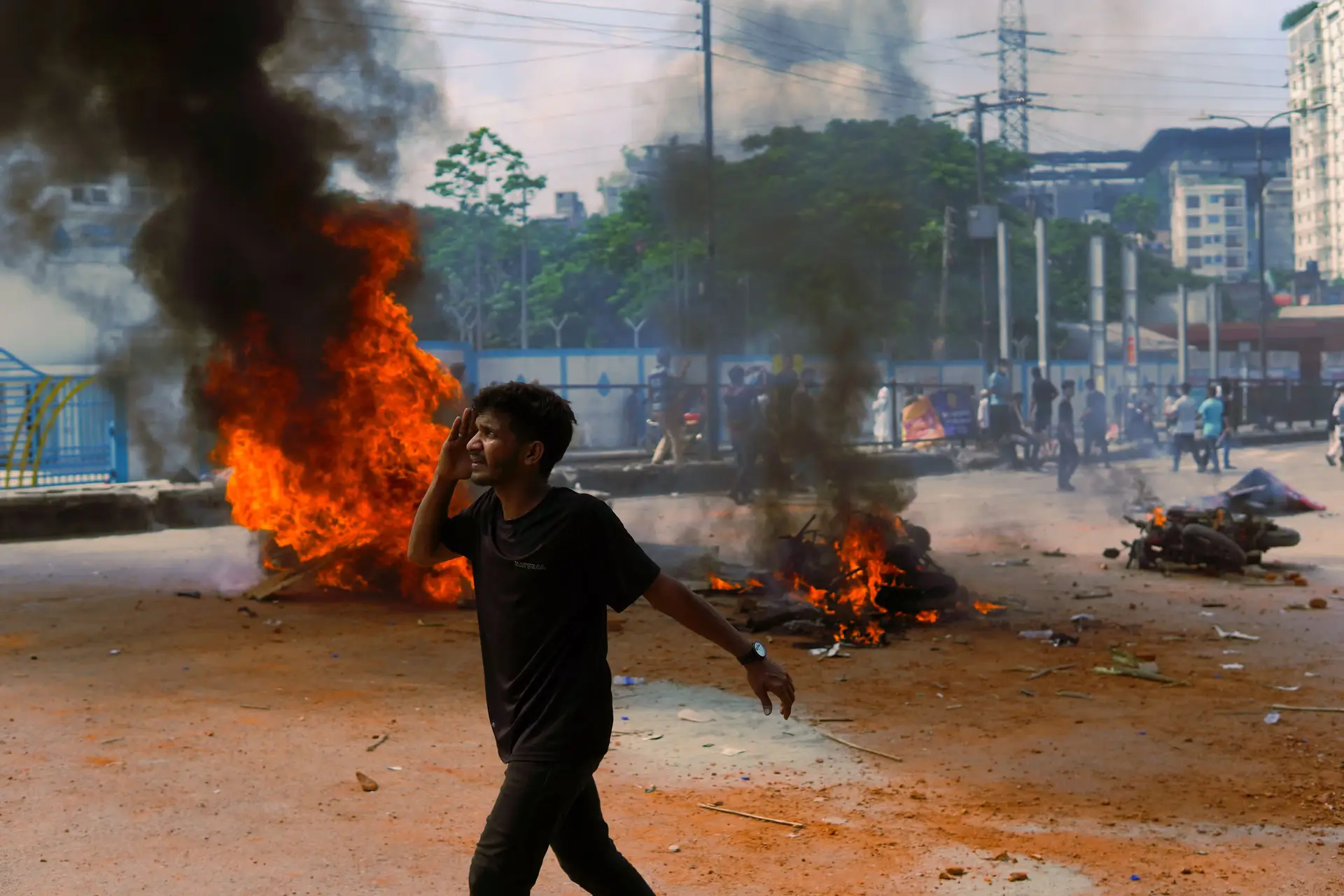
Following the match, violent clashes erupted in and around the Vaudoise Arena and spilled into the nearby Prilly-Malley railway station. According to the Vaud Cantonal Police, the clashes left two Lausanne HC fans severely injured and requiring hospital treatment. Written commitments, as it turns out, make exceptionally poor body armor.
Confronted with the brutal aftermath of the derby, the executive board of Fribourg-Gottéron acted with swift administrative force. The club announced an immediate stadium ban targeting the board members of both Fribvrgensis XIV and Fanatics. For all other registered members of these groups, existing tickets were promptly declared invalid. To ensure the home stands remain thoroughly sanitized, all group banners, flags, and branded material have been barred. Even general protest banners or written expressions of opinion will no longer be tolerated inside the venue.
The crackdown extends far beyond the home turnstiles. For away games, Gottéron has imposed a sweeping set of restrictions active until December 23. Fans will effectively be forced to watch their team in quiet, orderly silence: flags, banners, drums, and megaphones are banned, alongside any organized choreographies.
In its official communication, the club leadership expressed profound disappointment over the escalation, reiterating that violence will not be tolerated. That a professional sports organization genuinely believed a non-binding behavioral code would tame ultra culture is a striking display of institutional naivety. When paper promises collapse, the default corporate reflex is administrative overreach—silencing the drums and confiscating the flags long after the actual violence has ended.
Written by Sandy van Dongen sandy.vandongen@alpineweekly.com