
Oct 27, 1:01 PM
Half-Measures in the ER: Why Berlin's Emergency Care Reform Will Fail
Allowing patients to bypass triage leaves hospitals overwhelmed and genuine emergencies at risk.
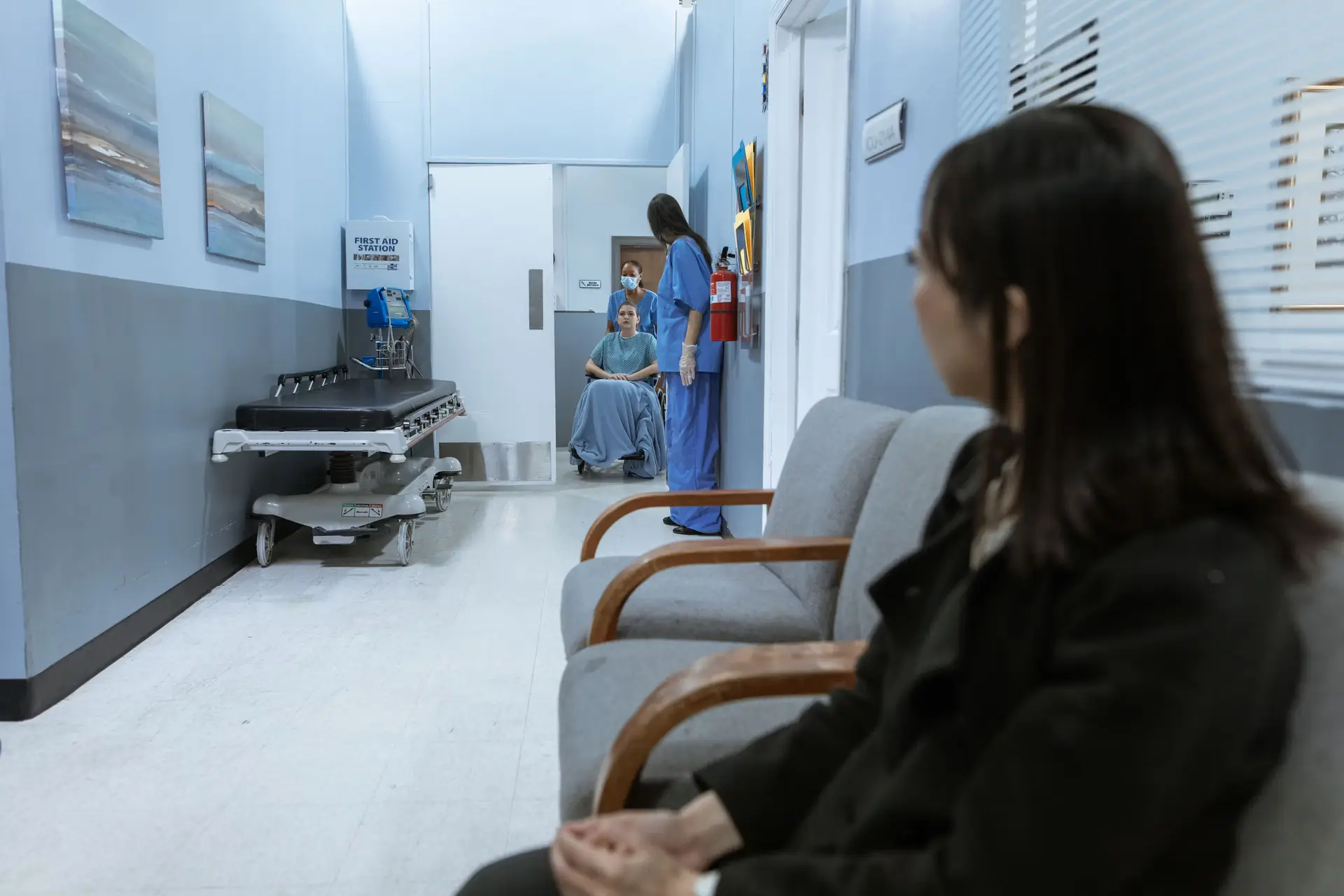
When lawmakers in Berlin pass a reform, the result rarely matches the initial ambition. Two weeks after the Bundestag approved its latest overhaul of emergency medical care, major health insurer Barmer delivered a sober assessment. The legislative effort, intended to relieve Germany's suffocating hospital wards, leaves the front doors of emergency rooms wide open. Patients may still walk in unannounced, completely bypassing initial medical evaluations.
The consequences of this legislative hesitation are far from abstract. Presenting Barmer’s latest hospital report in Berlin, chief executive Christoph Straub warned that unvetted walk-ins actively threaten care for the genuinely ill. Extrapolating data from 8.5 million policyholders nationwide, the report documents a steady degradation of hospital capacity. Between 2015 and 2024, outpatient emergency treatments in German hospitals rose from 12.3 million to 12.7 million. Because the overall number of hospitals shrank during the same period, the average burden per remaining clinic jumped by 8.7 percent.
Geographic disparities further highlight the structural friction across the country. In 2024, emergency rooms in Baden-Württemberg handled nearly double the outpatient visits per capita compared to those in Thuringia. Yet the federal reform treats this fragmented, overburdened landscape with a remarkably limp hand. While the new law foresees preliminary medical evaluations, it leaves them entirely voluntary for patients. Did parliamentarians seriously expect self-restraint from individuals convinced their minor ailments require immediate hospital care?
Straub called the ongoing misallocation of resources a safety risk for patients suffering from acute, life-threatening conditions. When non-urgent cases clog treatment bays, critical minutes evaporate for those who actually need emergency intervention. To remedy this failure, Barmer points to Denmark as a functional alternative. In the Danish system, mandatory telephone triage screens patients before they ever reach a hospital, directing each individual to the appropriate care provider. Without similar mandatory guardrails in Germany, the reform remains little more than political cosmetics.
Written by Thorben Thiede thorben.thiede@alpineweekly.com