Oct 27, 1:01 PM
Vatican Stamina: Pope Leo’s Post-Surgery Sprint to South America
A major surgical procedure will not prevent the 71-year-old pontiff from undertaking a grueling ten-city tour.
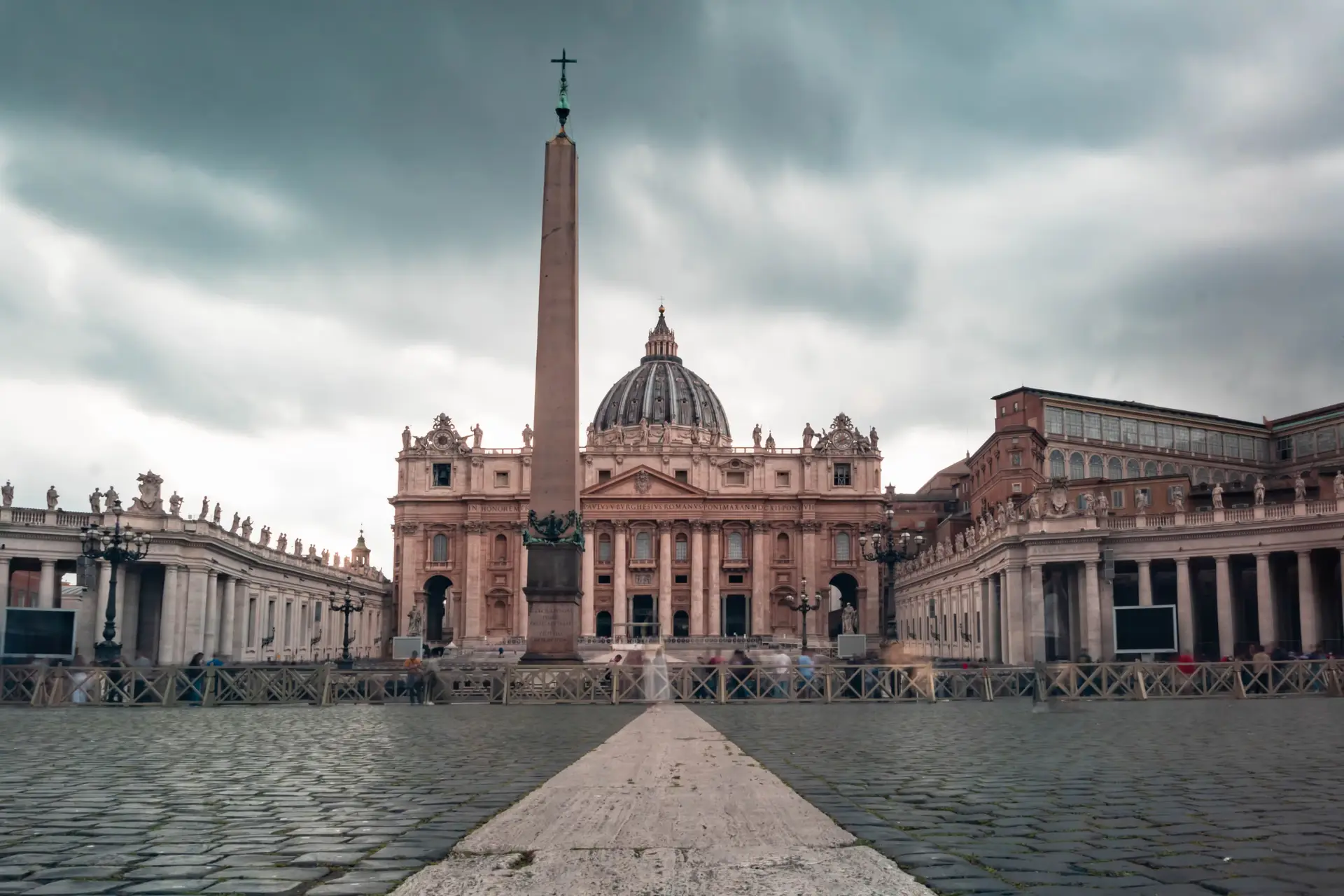
Few institutions demand as much physical endurance from septuagenarians as the Roman Catholic Church. Barely three weeks after losing part of his right lung to a surgeon's scalpel, Pope Leo is packing his bags for an ambitious ten-city tour across South America. The Vatican’s confirmation that the 71-year-old pontiff will proceed with his November itinerary demonstrates that in the arena of global spiritual diplomacy, medical recovery must fit into a tightly managed calendar.
The timeline behind the journey reveals a remarkably swift turnaround. Having personally announced the discovery of a well-contained lung nodule during his Sunday prayers in St Peter's Square on October 11, the Pope underwent a 90-minute operation at Rome's Gemelli hospital two days later. The tumor on the lower part of his right lung was successfully removed, with post-operative tests confirming the malignancy was localized. Discharged on October 17, his surgeon, Stefano Margaritora, publicly noted that the pontiff was in a satisfactory condition and that no clinical reasons existed to halt the travel plans.
Behind the medical clearances, however, lies a carefully calibrated compromise. While a smaller trip to Assisi scheduled for October 27 was dropped on doctor's orders, the South American marathon remains fully intact. The Vatican confirmed that the pontiff has been adjusting his daily workload alongside medical advisors to prioritize recovery while discharging his duties. Yet the main event—a journey covering Uruguay, Argentina, and Peru between November 6 and November 17—remains unchanged.
Maintaining this schedule points to the significant personal and regional interests involved. Leo, who holds Peruvian citizenship, spent nearly three decades working between the United States and Peru, including early Augustinian missionary work in Chulucanas and Trujillo, alongside years spent living in Chiclayo. Returning to a country where roughly 76 percent of the population is Catholic represents both an institutional priority and a personal return to familiar territory.
According to Cardinal Castillo, the Archbishop of Lima, the Peruvian leg will feature engagements with young people, women running community kitchens, and local indigenous groups. From Montevideo to Buenos Aires, and onward through Lima, Chiclayo, Cuzco, and Pucallpa, the itinerary demands considerable resilience. Whether managing ten cities in under two weeks immediately after major surgery is wise medical management or administrative necessity, the Vatican has made its choice clear.
Written by Thorben Thiede thorben.thiede@alpineweekly.com