Oct 28, 11:00 AM
When Steel Meets Steel in Toledo
A train collision in central Spain turns a municipal sports hall into an emergency triage center.
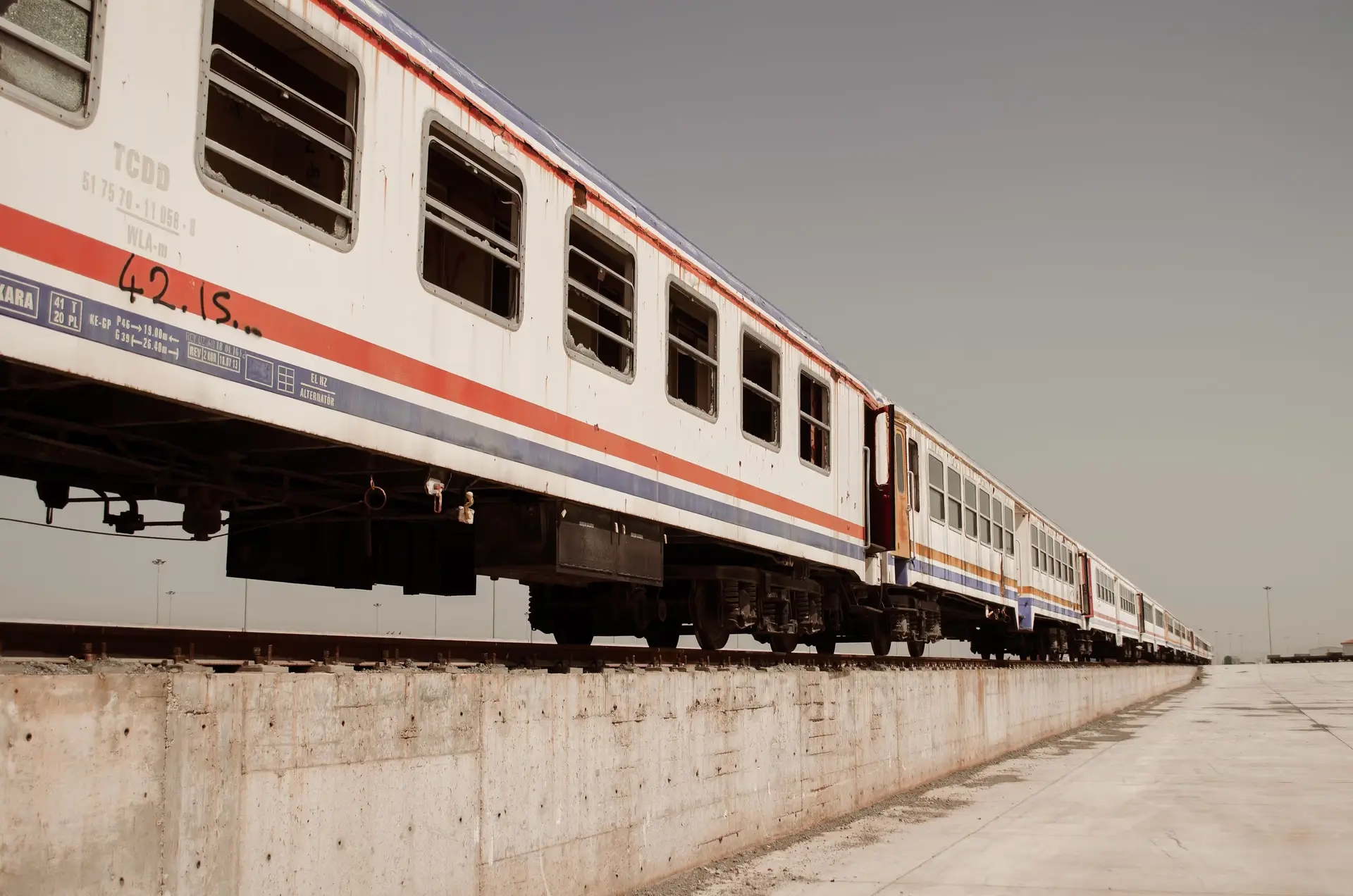
When state-managed infrastructure works, it is taken for granted. When it fails, the consequences usually arrive with a sudden crunch of steel in the Spanish countryside. On Wednesday morning, the province of Toledo became the latest setting for a breakdown in public transit efficiency, as two trains collided on the network overseen by national rail operator ADIF.
Details emerging from the scene paint a familiar picture of immediate, improvisational triage. Passengers sustained injuries when the two trains met on the same stretch of track, prompting emergency services to mobilize local resources on short notice. The central administration's oversight of vital transit links once again finds itself under scrutiny as local authorities scramble to manage the fallout of a system that failed at its most basic duty: keeping trains apart.
The local response highlights the reliant nature of municipal authorities when central systems stumble. Speaking to state broadcaster TVE, Manuel Galán, the mayor of the nearby town of Urda, revealed that civil protection authorities had contacted his town hall with an urgent request. The instruction was clear: prepare the local sports pavilion to accommodate and attend to the injured passengers coming off the tracks.
There is a distinct, understated absurdity in converting a local gymnasium into an emergency medical center because two trains could not navigate a regional transit corridor without running into each other. While civil protection personnel and local officials in Urda moved to transform municipal facilities into makeshift care wards, the underlying breakdown at ADIF remains the primary operational reality.
Disruptions of this nature inevitably force a quiet reassessment of how public resources are managed. When a nation's transport operator cannot guarantee basic track separation on a Wednesday morning, responsibility falls directly on the state-run entities tasked with keeping the network safe. The sports hall in Urda may provide temporary shelter for bruised passengers, but it does little to repair the structural questions surrounding the management of the country's rail infrastructure.
Written by Sandy van Dongen sandy.vandongen@alpineweekly.com