
Oct 28, 11:01 AM
The Delivery Dilemma: How Swiss Rules Surrendered to Global Gig Capitalism
While Swiss authorities debate legal nuances, Uber Eats and its peers have comfortably swallowed the national food delivery market.
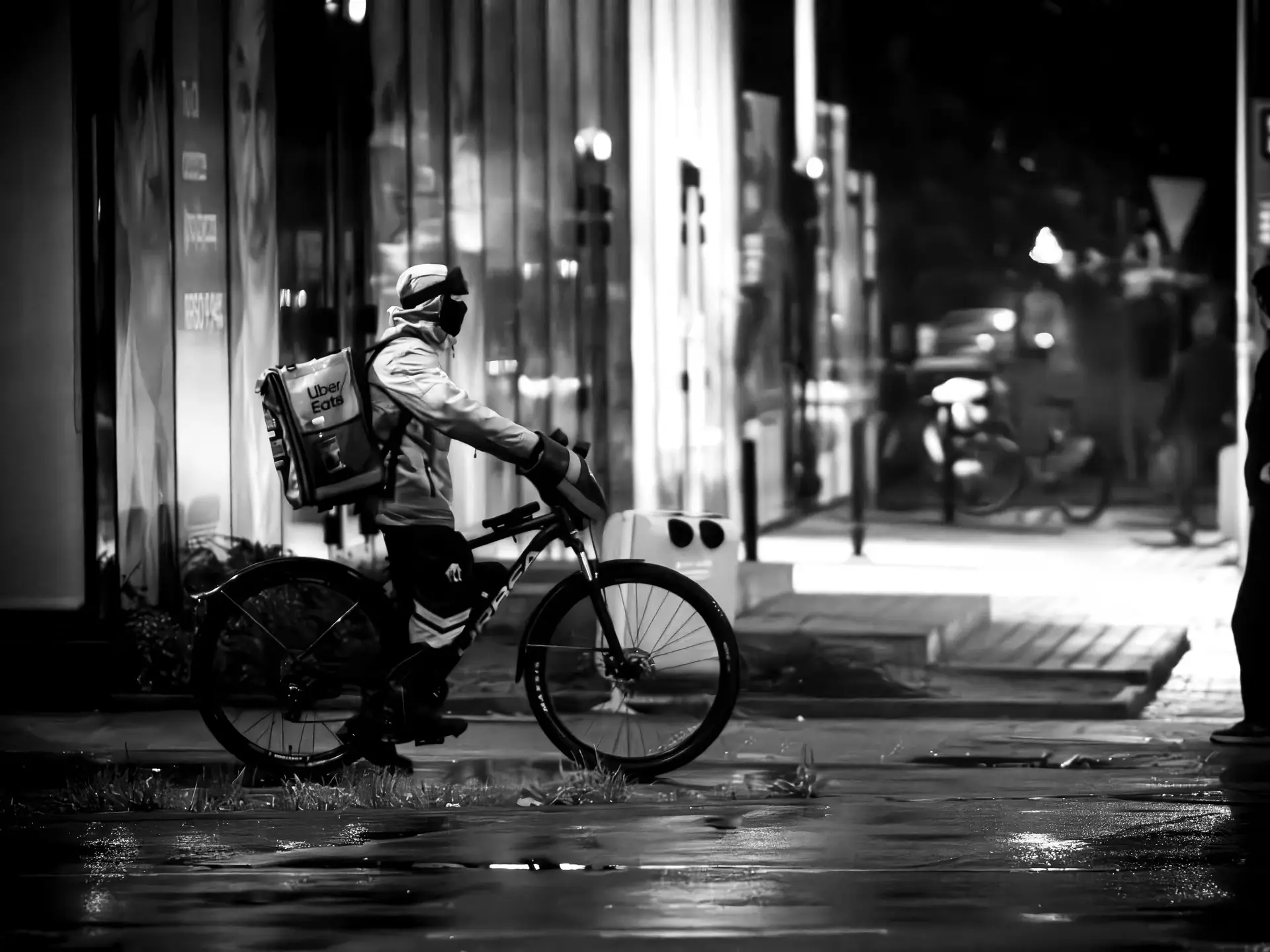
When Swiss consumers demand hot Thai curry delivered to their doorstep at all hours, they rarely ponder the mechanics of the market serving them. They simply expect seamless convenience at bottom-dollar prices. Yet behind the seamless interface of global delivery platforms lies a classic Swiss paradox: an earnest reliance on rulebooks while market dynamics quietly rewrite the landscape.
Local bicycle courier services, long the dutiful backbone of urban deliveries, are surrendering one by one. Basel’s Velogourmet, operated by Kurierzentrale, is merely the latest casualty preparing to pull the plug on food deliveries. It joins a growing graveyard of domestic operators, including Zurich’s Dabbavelo, Wiesner Gastronomie, and Smood. The pattern is stark. Local firms adhere strictly to labor regulations, pay social security contributions, and offer wage floors. Naturally, they are obliterated by competitors who treat regulatory compliance as a flexible suggestion.
The commercial logic is so irresistible that even those who once claimed the moral high ground are falling into line. Just Eat, which previously distinguished itself by employing its delivery staff on hourly wages, is now executing a sharp pivot toward the gig model. Up to 700 drivers face dismissal as the company shifts toward self-employed contractors to survive competitive pressure. Except in Romandie, where court decisions forced a different stance, and Ticino, where fleet partners step in, the independent contractor model is fast becoming the industry standard across Swiss cities.
Swiss labor regulators present a study in helpless hesitation. On paper, the legal framework is unambiguous. The Federal Supreme Court has repeatedly ruled that courier drivers are employees rather than independent contractors. Cantonal officials insist that no authority recognizes Uber’s self-employment model. Yet, instead of enforcing the law with conviction, regulators prefer long-drawn-out negotiations with tech headquarters in North America while the local market vanishes.
While cantonal bureaucracies deliberate, drivers report waiting unpaid for hours between orders, earning an average of fifteen francs an hour. Uber maintains that its operational models strictly respect local regulations and that couriers actively prefer independent status. Meanwhile, local operators who played by the rules from day one are forced off the road. The regulators missed the boat on taxis a decade ago, and they have managed to repeat the performance with food delivery. The takeover is complete, leaving taxpayers to eventually shoulder the social costs.
Written by Freya Stensrud freya.stensrud@alpineweekly.com