Oct 28, 11:01 AM
Lisbon's Stage Revival: Why 'Dead Poets Society' Keeps Selling Out
An eight-month run in the Portuguese capital proves that traditional narrative craft still triumphs at the box office.
Lisbon's theatrical market rarely sees the kind of commercial tenacity usually reserved for West End long-runners or state-subsidised institutional marathons. Yet, the stage adaptation of Dead Poets Society at the Teatro da Trindade has spent eight consecutive months doing what few Portuguese productions manage: completely exhausting the box office. Premiering in April and extended twice, the show remains impossible to book through to its December conclusion, driven by an audience demand that seems to have caught even its producers by surprise.
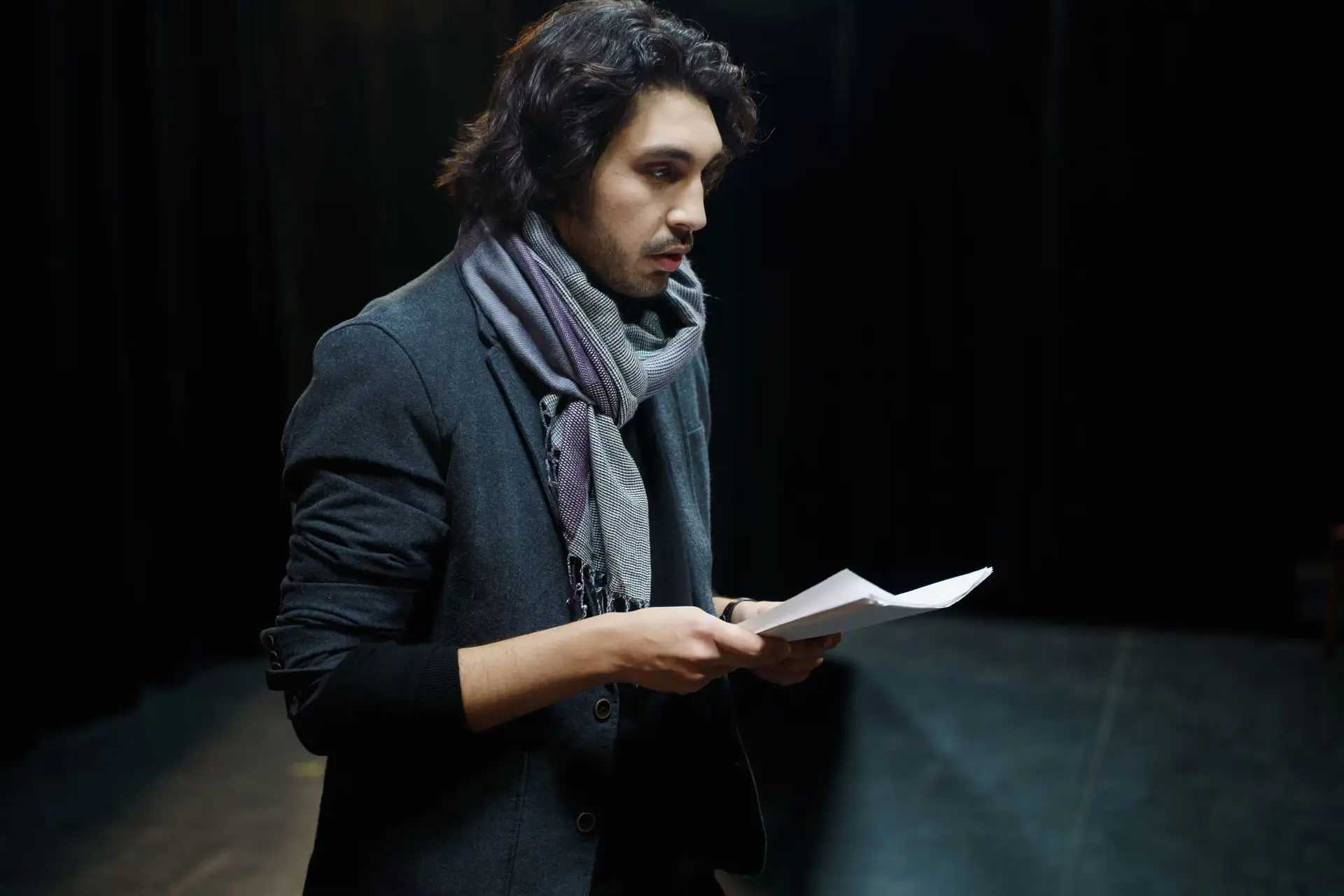
Written for the stage by Tom Schulman—who authored the original 1989 screenplay—the production rests heavily on the shoulders of Diogo Infante. As both the theatre's artistic director and its lead actor playing the iconic instructor John Keating, Infante inherited the delicate task of inhabiting a role forever tied to the late Robin Williams. Alongside veteran actor Virgílio Castelo as the stern headmaster Gale Nolan and Diogo Mesquita, the production pairs seasoned theatrical hands with fresh talent, including 23-year-old Rui Pedro Silva in the central role of the tragic student Neil Perry.
Hélder Gamboa of Tenda Produções, who co-staged the piece alongside the venue, notes an intergenerational audience dynamic rarely seen in contemporary auditoriums. Grandparents who remember the original film are bringing grandchildren who have never seen it, while middle-aged parents introduce their own teenage children to the anti-conformist fable. For a story centered on the friction between rigid orthodoxy and individual artistic ambition, the resonance feels surprisingly crisp in a society re-evaluating its own generational contracts.
Infante himself dismisses any notion that performing the same script five nights a week constitutes an unreasonable chore. Comparing the nightly rigours of the stage to spending a quarter-century in a tax office from nine to five, he frames the relentless run as a professional privilege rather than a burden. That pragmatic attitude reflects a broader truth about the production: art, when grounded in genuine narrative craft rather than state-mandated institutional posture, retains an exceptional ability to self-sustain.
The phenomenon shows no signs of dissipating once the capital city curtain falls in December. Starting in January 2027, the production embarks on a nationwide tour, already boasting sixteen fully sold-out performances at the Teatro Sá da Bandeira in Porto before the troupe even arrives. In a cultural sector frequently dependent on administrative life support, Lisbon’s sold-out auditorium offers a refreshingly simple lesson: give audiences compelling drama, and they will pay for the seats.
Written by Sandy van Dongen sandy.vandongen@alpineweekly.com