Oct 28, 9:01 AM
The Fatal Cost of Theological Dissent in Northern Nigeria
The murder of Yahaya Masussuka highlights how dogmatic intolerance silences reformist voices.
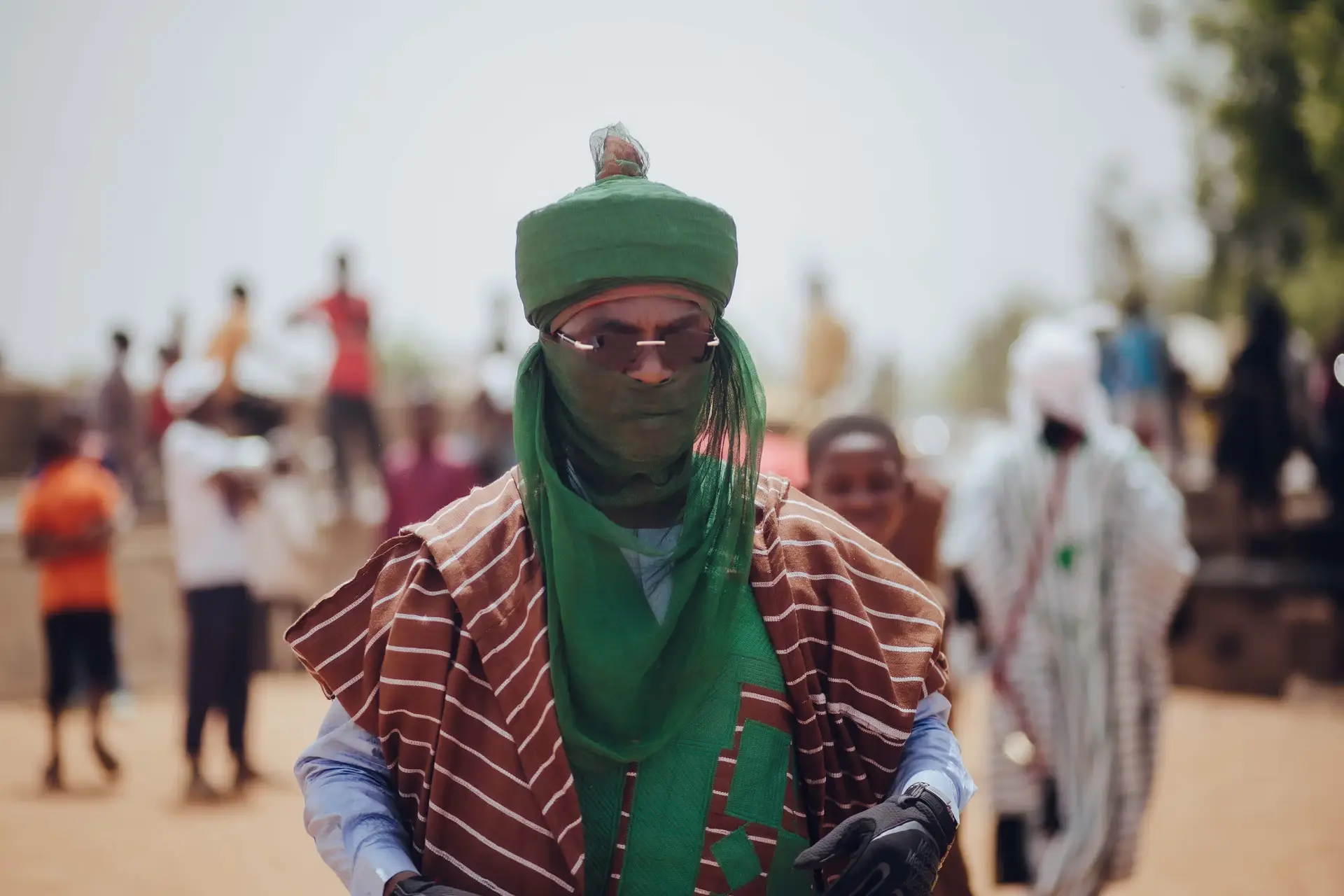
In northern Nigeria, challenging religious orthodoxy has long been a hazardous endeavour. The murder of Yahaya Masussuka in Dutsin-Ma, a town in Katsina state, highlights the violent boundaries drawn by religious dogma in a region plagued by extremism. The 47-year-old Islamic preacher was gunned down outside his home alongside a guest on Monday evening. Two assailants arrived on a motorcycle, opened fire as Masussuka was bidding farewell to visitors, and fled into the night. Police confirmed that attending medical staff declared both men dead upon arrival at the hospital.
Masussuka was hardly an accidental target. For years, the cleric had used a modest studio in his house to broadcast unconventional theological views across social media, drawing fierce hostility and online death threats. Unlike traditionalists who treat the Hadith—the recorded sayings and actions of the Prophet Muhammad—as an infallible pillar alongside the Quran, Masussuka preferred a strictly Quranic framework. He publicly rejected the widespread doctrine that angels awaken and interrogate the deceased in their graves. Such skepticism was deemed scandalous enough by the religious establishment that he previously served nine months in prison simply for mocking senior scholars over the issue.
Yet Masussuka was no amateur provocateur. Having begun his preaching career at age 13 in local Quranic schools, he later pursued formal Islamic studies at Cairo’s prestigious Al-Azhar University and in Oman. His formal credentials did not temper his appetite for challenging orthodoxy, nor did they soften his stance against religious extremism. In a country roughly divided between Muslims and Christians, where religious and ethnic clashes have claimed thousands of lives over the past quarter-century, Masussuka consistently advocated for interfaith dialogue and peaceful coexistence. Last year, the Network for Good Governance and Transparency granted him its Peace Ambassador Award in recognition of his reformist advocacy.
His assassination follows a sinister pattern across northern Nigeria, where six other prominent Muslim clerics have been murdered over the past two decades. Several of these figures were targeted by Boko Haram, the violent jihadist movement that has sought to dismantle the secular state and enforce its rigid vision of Islam since launching its insurgency in 2009. While authorities have not officially identified the perpetrators in Dutsin-Ma, the murder fits neatly into a broader war against theological dissent.
In an environment where state authority often yields to dogmatic zeal, independent thinkers like Masussuka find themselves completely exposed. He leaves behind two wives, seven children, and a chilling question for northern Nigeria: can moderate or reformist voices ever survive when dissent carries an automatic death sentence?
Written by Andreas Hofer andreas.hofer@alpineweekly.com