Oct 28, 9:01 AM
Dimmed Lights and Sabotaged Power in Jena
A citizens' dialogue featuring AfD politician Björn Höcke ended in semi-darkness following infrastructure sabotage and street clashes.
When a political gathering in Germany can only proceed if the speaker addresses an audience in semi-darkness without a microphone, public debate has reached a telling condition. In the Jena district of Lobeda-West, a citizens' dialogue featuring Thuringian AfD leader Björn Höcke alongside state parliament representatives Elisabeth Mengel-Stähle and Denny Jankowski took place under circumstances more reminiscent of infrastructure failure than democratic exchange.
Before the event could begin, the venue’s power supply was deliberately sabotaged. The blackout forced Höcke to deliver his speech in near darkness, relying entirely on his unamplified voice. Police have launched an investigation into the deliberate disruption of the local power distribution system, marking one of seven criminal offenses recorded during the evening.
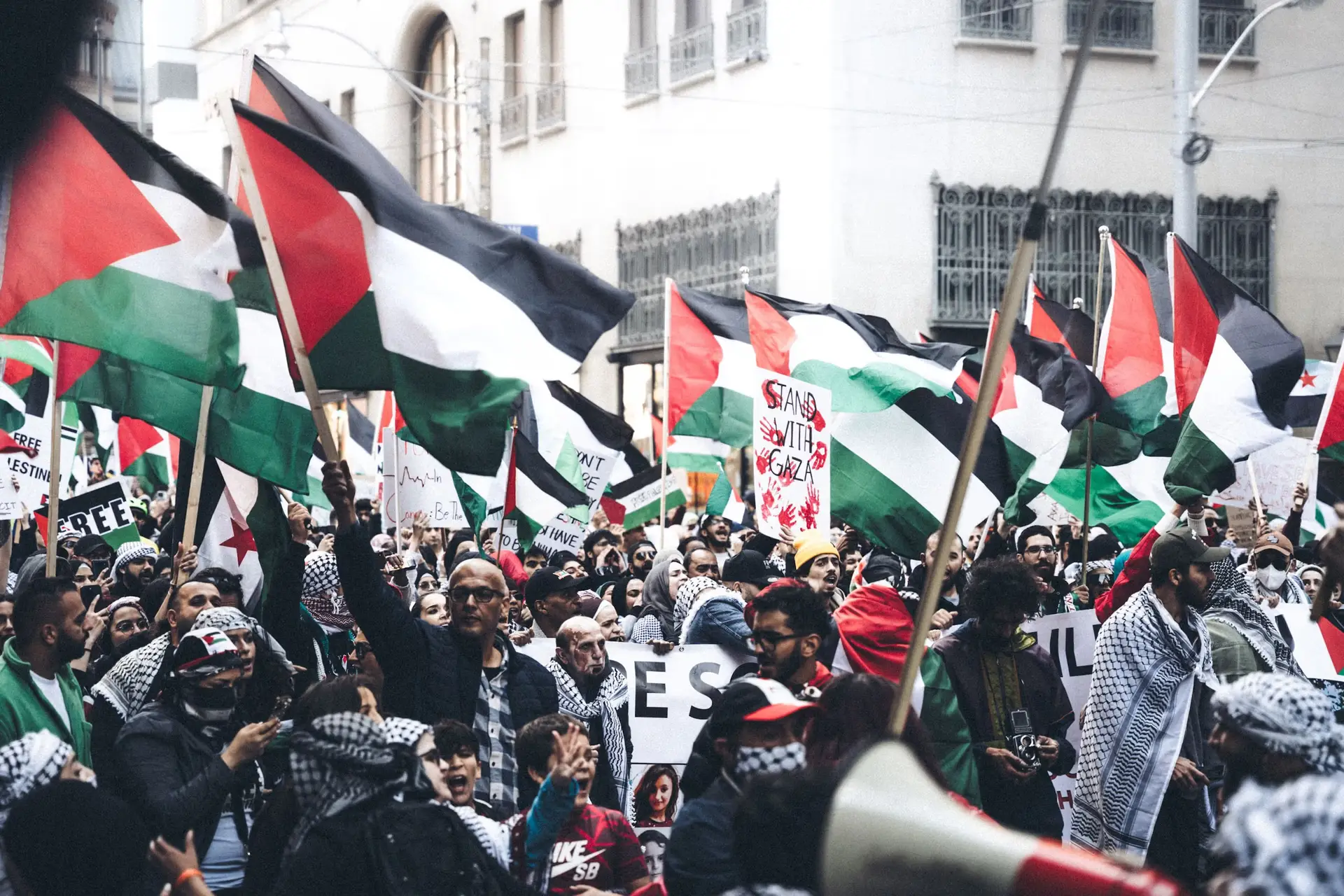
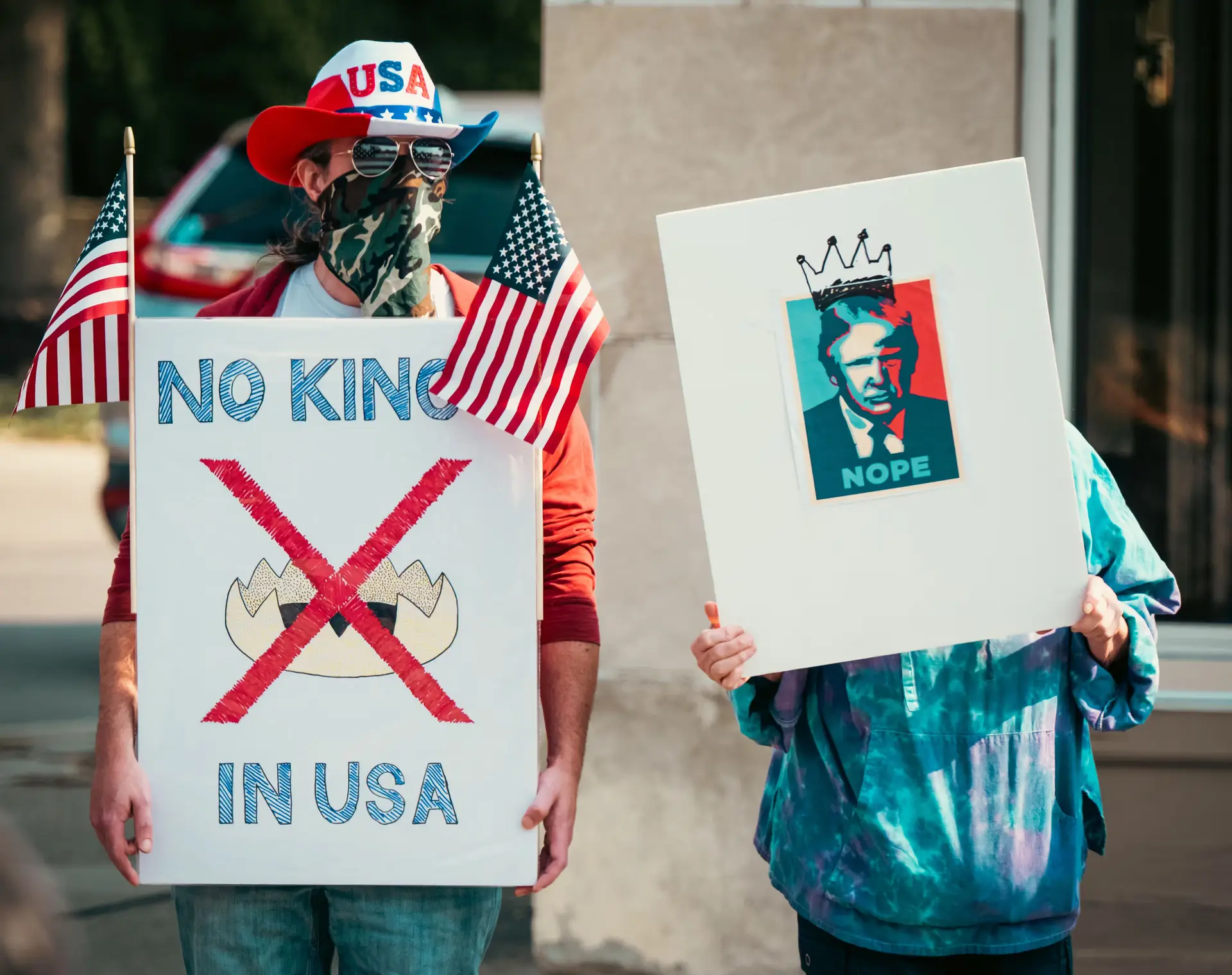
Outside the venue, political activism expressed itself through physical confrontation. Between 3,000 people, according to police estimates, and 4,000, according to the organizing alliance Rechtsruck stoppen, gathered to demonstrate against the AfD politician. Protesters established several sit-in blockades on surrounding streets while chanting anti-fascist slogans. Prominent figures addressed the crowd, including Left Party state parliament member Katharina König-Preuss and Jens Christian Wagner, director of the Buchenwald and Mittelbau-Dora Memorials Foundation.
The effort to keep roads clear and secure the venue required forceful police intervention. Officers dismantled the blockades using physical force and pepper spray. Police explained that the measures were necessary to guarantee the safety of all participants and the protected person, while simultaneously safeguarding the rights to assembly and free speech.
The conflict left physical marks on the enforcement forces themselves. Four police officers sustained injuries during the deployment. Meanwhile, organizers of the counter-protest voiced sharp criticism of the authorities, accusing officers of using disproportionate force, including batons, pepper spray, and physical strikes, to clear a path for the speakers.
This escalating dynamic in Jena follows an established pattern. A similar attempt by Höcke to hold a citizens' talk in the city in 2024 was completely thwarted when police cancelled the event on short notice due to massive crowd sizes and an unmanageable security situation. That physical blockades and infrastructure sabotage can repeatedly dictate whether an elected politician is permitted to speak highlights a troubling reality for democratic discourse in Germany. When open debate depends on whether the power grid survives the evening, political disagreement has clearly moved far beyond words.
Written by Thorben Thiede thorben.thiede@alpineweekly.com