
Oct 28, 9:01 AM
Inflation as a Business Model: BASF’s War-Fueled Windfall Explains Germany’s Decline
Record earnings mask a grim reality: high energy costs and job cuts are forcing German industry to flee east.
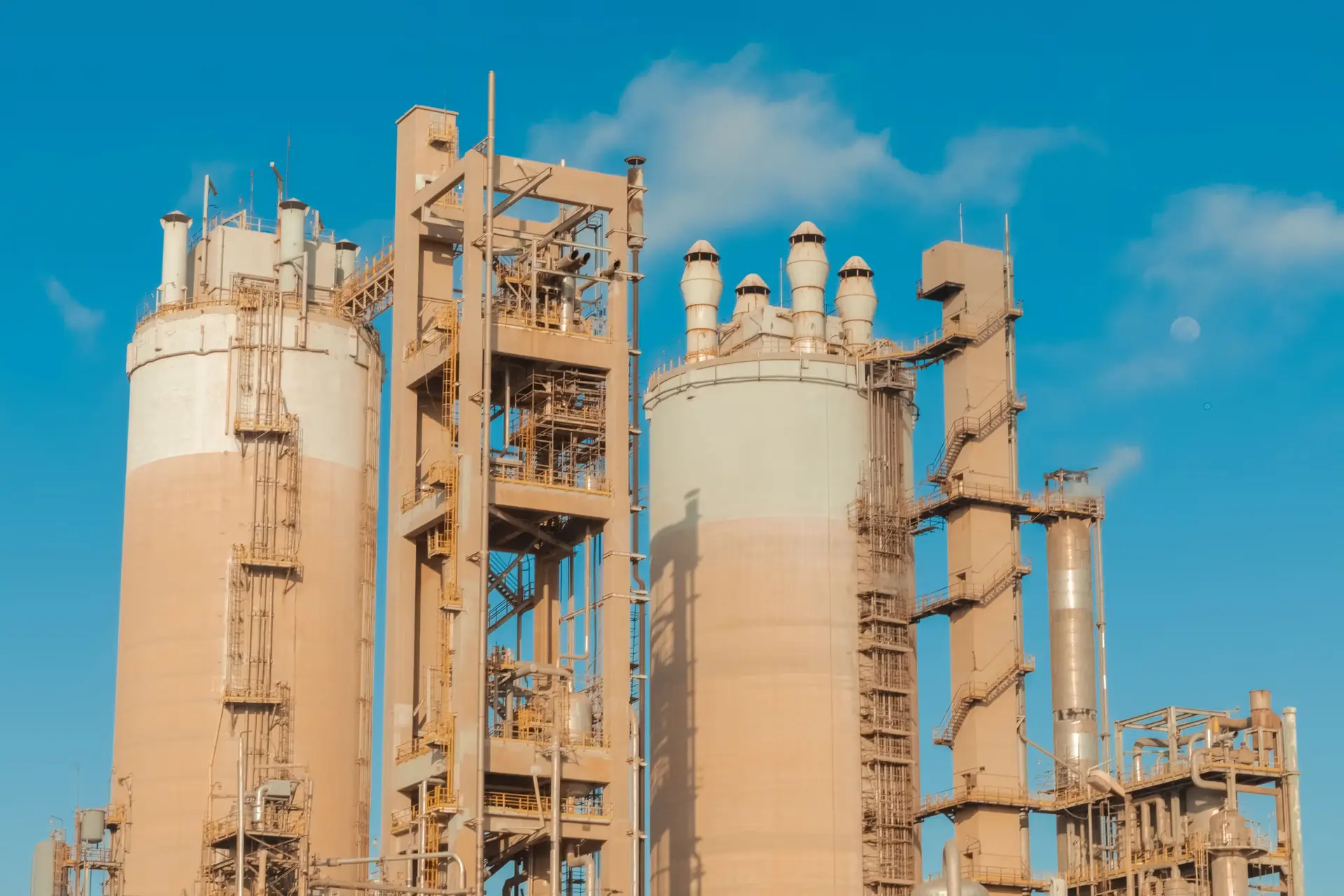
At first glance, the numbers coming out of Ludwigshafen look almost heroic. BASF has once again raised its full-year earnings outlook, now forecasting a core profit between €7.4 billion and €7.8 billion for 2026, up from a previous band of €6.9 billion to €7.7 billion. Quarterly core earnings climbed 15 percent to €1.6 billion, while total sales surged 14 percent to €16.4 billion.
Yet beneath this glossy veneer of corporate success lies a telling commentary on the state of German industry. The driver behind these numbers is not a triumph of innovation or domestic productivity, but a desperate operational mechanism: passing massive cost increases onto buyers. Back in March, as energy and raw material prices spiked following conflict involving the United States, Israel, and Iran, the chemical giant jacked up prices on certain products by as much as 30 percent. Overall sales growth was driven almost entirely by a 12 percent price increase, while actual volume growth limped along at a meager 2 percent.
In the executive suite, turning energy shocks into margin expansion counts as a success. For the broader domestic economy, it is a symptom of deep structural decay. High energy prices have turned operating a manufacturing base in Germany into a punitive exercise. European chemical producers are squeezed between crippling local overheads and ferocious competition from Asian rivals who suffer from no such ideological handicaps.
The management of BASF is well aware of where the future lies, and it is clearly not on the banks of the Rhine. While local politicians trumpet green transitions, the company is quietly executing a strategic departure. Thousands of jobs are being slashed at its historic headquarters in Ludwigshafen. Meanwhile, fresh capital is flowing into Asia, where BASF recently opened a massive chemical complex in China to capture regional demand.
To cushion what remains of its European footprint, BASF is now exploring a multibillion-euro acquisition of German rival Evonik, chasing economies of scale and cheaper precursor chemicals to offset domestic cost disadvantages. A German industrial titan boosts its balance sheet not through a thriving home market, but by passing along energy inflation, cutting local staff, and investing heavily abroad. If this is what winning looks like for German manufacturing, one shudders to imagine the alternative.
Written by Christiane Hofreiter christiane.hofreiter@alpineweekly.com